
Aircraft Hangar Roofing in Deltona, FL
Aircraft hangar roof repair and replacement in Deltona, FL. We inspect long roof spans, doors, drainage, edge details, and access requirements.
A hangar roof can leak at a door transition, long panel seam, curb, or perimeter detail, then carry water toward an area far from the opening. The first decision is how much roof to expose and what must remain clear below. We inspect the assembly, trace the water route, and map work zones with the operator's contact. That produces a scope based on the roof and the use beneath it, without assuming every bay has the same condition.
Deltona's zoning includes light-industrial uses, Interstate 4 runs along the city's western boundary, and State Road 472 reaches Howland Boulevard on the northwest side. Hangar space near Orlando Sanford International, about 9 miles south, or DeLand Municipal Airport draws roofing questions that start with access, staging and clearance, so we settle those with the operator's contact before anyone climbs a ladder.
Long Spans: Inspect Seams and Door Transitions
Large roof spans can make a small opening difficult to locate from below. Water may enter at a seam, fastener, curb, wall joint, or hangar-door interface and travel along the structure. We inspect the exterior details and compare them with the interior report, including whether staining changes after rain. If insulation or a concealed layer may be wet, a moisture survey can help define the affected area. A roof inspection records observed conditions before the permanent scope is set.
On metal roofs, movement at fasteners and laps can loosen a seal over time. On low-slope membrane roofs, the failure may be at a seam, termination, or penetration. We identify the assembly before recommending a repair method. If water enters near a large door, we check the transition and adjoining membrane rather than assuming the door itself is the only cause. Leak repair follows the path to the roof detail and documents any damaged material.
Charley passed directly over Deltona in 2004. The same storm recorded strong gusts in Longwood and Altamonte Springs. After a storm like that, edge securement and panel attachment get checked first. A lifted edge can allow water to move below a roof surface even when the center field has no visible puncture.
Work Boundary: Set Clearances Before Opening the Roof
Before opening the roof, we coordinate the affected bay, stored equipment, vehicle movement, and any route that needs to stay clear. A hangar door may need to remain usable, and lifts or staging may have to work around that opening. We confirm who controls the area below and who can authorize an expanded roof zone if removal reveals wet insulation or a damaged deck. Those are practical decisions that belong in the scope.
Some failures remain local and can be repaired. Repeated leaks, widespread moisture, or failed attachment may require recovery or replacement. A recovery only works when the existing layers, deck, slope, and drainage support it. Our recover assessment checks those limits. For a full replacement, we identify tear-off, material handling, temporary protection, and daily close-in, including how the operator can regain access to each bay.
The 2023 Florida Building Code includes a threshold where repairs, replacement, or recovery exceeding 25 percent of roof area in 12 months may require the entire roof to meet code unless it was built to the 2007 code or later. We identify that implication before the owner approves multiple smaller scopes. The capital plan can then compare the repair sequence with a larger replacement decision.
Assembly Choice: Match the System to the Span
Metal panels and low-slope membranes need different inspection and repair methods. Standing-seam metal needs attention at clips, laps, flashings, and panel ends. A metal retrofit may be considered where an existing assembly has broad wear, but its support and drainage conditions must be checked. If the hangar has a low-slope membrane, TPO roofing or EPDM may fit depending on the deck and detail design.
The roof's movement, attachment, and perimeter design matter in a wide-span structure. We explain how the proposed system transitions at walls and doors, how drainage is directed, and what maintenance access remains. If an existing edge or gutter contributes to the leak, edge metal work can be included with the roof scope. The proposal should name the actual details being replaced or repaired rather than rely on a general statement about wind resistance.
Deltona's rainy season is concentrated between June and September, and mean daily highs reach about 92 F in July. Heat and sudden rain can narrow a safe installation window. We set a work limit and close-in point for each day, then identify what changes if the roof cannot be sealed under the planned conditions.
Operator Access: Coordinate Routes and Gates
A hangar project may involve movement of aircraft or equipment, restricted access, and a need to keep a bay available. The operator's contact sets what can move and when. We coordinate roof entry and staging with those rules and identify where overhead work affects the area below. If an equipment relocation or specialized access requirement falls outside roofing, we identify it before the proposal assumes that another party will handle it.
Truck access and site security vary from one airfield tenant to the next, so we walk the actual gate, turning area, material staging location, and roof entry with the property contact. A Deltona I-4 corridor roof review starts with those conditions.
For an occupied site, phased roofing can structure notices and temporary restrictions. Where a property combines hangar space with flex-industrial buildings or warehouse areas, each roof and operating use receives its own work sequence.
Bid Review: Compare Attachment and Access Assumptions
Two proposals may name similar materials while treating panel replacement, insulation, edge metal, drainage, door transitions, and temporary access differently. We list the roof areas and assembly assumptions for each option. If concealed conditions may change the scope, the bid explains how they will be verified and approved. That prevents an allowance from standing in for a decision about what the owner is buying.
Each bid should show the attachment details, perimeter work, water path, staging, and close-in sequence in the same order, so the owner can set one against another. Our recommendation comes from the actual roof and the operator's access requirements.
Call before the next heavy rain or hurricane season. We will trace the failure, explain repair or replacement choices, and coordinate a sequence that respects the operator's clearance requirements.
Commercial Roofing Questions
Can roof repairs happen while the hangar door is in use?
The work zone and lift or staging position determine whether the door can stay available. We coordinate with the operator to identify movement windows and any temporary restriction before mobilization. If roof work needs the door area clear, the scope should state where and for how long, as well as when the bay can be used again.
How do you find a leak on a wide-span roof?
We compare the reported water location with seams, panel ends, curbs, drains, and door transitions. Water may travel along the structure before it becomes visible. Moisture testing can help define wet insulation, while inspection of the roof detail identifies the opening that needs repair.
What roof details deserve attention after strong wind?
We look at edge metal, panel attachment, terminations, seams, and flashing where the roof meets a wall or door. A visual check can identify displaced components, but the repair scope follows the conditions found on that property. We document the affected area and any temporary protection separately from permanent work.
When should a hangar owner consider a retrofit?
Broad panel wear, recurring leaks, or attachment concerns may justify comparing a retrofit with repair or replacement. We inspect the existing support, drainage, and roof edge before recommending a new assembly. The bid should show what remains in place, what is added, and how access is managed during installation.
What should be in an aircraft hangar roof bid?
The proposal should identify roof zones, material and attachment, door and wall transitions, drainage, equipment clearance, staging, and the daily close-in plan. It should also state how concealed conditions are handled. Those details let the operator compare practical access requirements with price and roof life considerations.
Call to map the leak path, inspect the assembly, and coordinate clearances with the operator. We will define the work area and compare repair and replacement options.
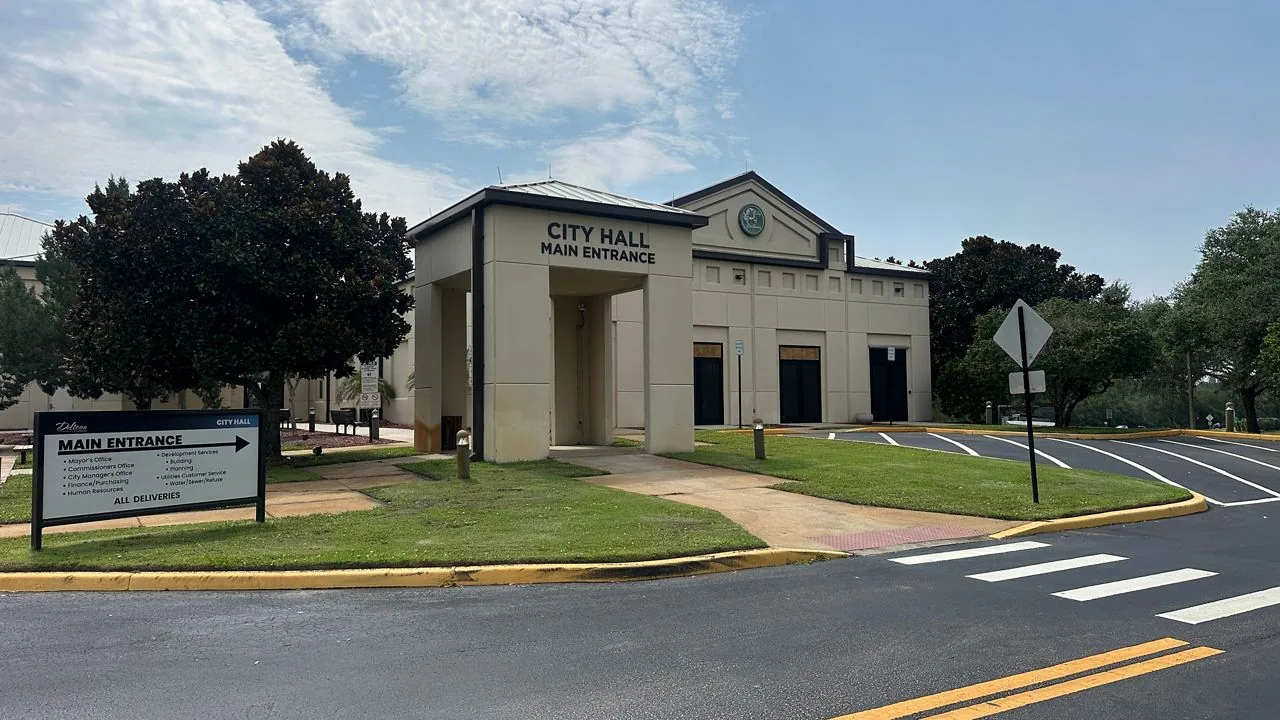
Commercial Roofers Deltona documents the roof before it quotes the work, so every scope starts from what is actually on the building.
Ready to Review Your Roof?
Tell us about the building, the roof and what you are seeing. We will outline the next practical step, whether that is an inspection, a repair scope or a replacement plan.