
Commercial Roofing in Howland Boulevard and Deltona Village, Deltona, FL
Roof inspections, repairs and replacement planning for commercial properties around Howland Boulevard and Deltona Village in Deltona, Florida.
Commercial roofing around Howland Boulevard and Deltona Village calls for a scope based on the actual roof, not the development concept. State Road 472 reaches Howland Boulevard near Deltona's northwestern limit and the I-4 interchange. Deltona Village was planned with about 300,000 square feet of retail, 150,000 of medical office and 100,000 of light-industrial flex, and Halifax Health and Florida Hospital planned separate healthcare facilities in Deltona, so one district can hold several roof assemblies and operating schedules. We inspect the property in front of us, verify access and operations with its manager, and distinguish urgent water entry from work that can be budgeted. Owners elsewhere along the Deltona I-4 corridor can use the same disciplined approach, while each roof receives its own map and quantities.
Assembly First: Start With the Roof, Not the Use Label
A retail suite, medical office, flex building or other commercial property may have a low-slope membrane, metal roof, multiple additions or a combination of systems. We confirm that through a roof walk and available records rather than assuming the construction from the property's planned use. At the first visit, we identify roof access, perimeter conditions, penetrations, drains, seams, wall transitions and any locations linked to an interior complaint. A ceiling stain tells us where water became visible; it may not identify the opening above. We trace likely paths, photograph relevant details and separate observations from areas that need testing. If the property is occupied, the facility contact can help set limits around sensitive rooms, deliveries and equipment. The resulting commercial roof inspection gives ownership a factual starting point: what was observed, what remains concealed and which next step would answer the remaining question.
Repair Boundary: Choose One That Can Be Explained
When a seam, flashing transition or penetration is open, the proposal should define the affected area and what the crew will remove to reach sound material. If the boundary is uncertain, we can price a limited opening or test area separately from the full repair so the owner sees what is known before authorizing a larger quantity. That sequence is useful around a district with several planned uses: the roof scope stays attached to the building inspected, while any later work at another property receives its own findings and approval. A targeted repair may be appropriate when the surrounding membrane and substrate remain serviceable. If testing or a controlled opening finds wet insulation, the boundary may need to expand until the assembly is dry and stable. We show how added removal would be approved and priced before that condition changes the work. Temporary protection can reduce exposure while ownership decides on permanent scope, but it is not a substitute for resolving the source. For recurring failures, widespread moisture or deteriorated deck conditions, compare the repair with a replacement scope that lists removal, insulation, cover board, flashing, drainage and perimeter work. The owner can then see whether the price reflects the same roof area and assumptions across proposals. Before comparing methods, ask what evidence would change the recommendation: a moisture reading, an inspection opening, a drain-flow check or a closer look at a termination. Testing should answer a defined question, not become a line item without a decision attached. If the assembly is dry and stable outside one localized opening, the repair can remain limited. If the affected area extends past the first cut or the deck needs attention, the owner can review the added scope against replacement rather than discovering the difference only after work is underway.
Access Plan: Coordinate Around the Property
Howland Boulevard provides a useful area reference, but the route from a main road is only one part of mobilization. The planned development mix included retail, medical-office and flex space, and separate healthcare projects were also planned nearby. Different uses mean different operating constraints. A retail loading area, a treatment space and a flex unit would each require the property contact to confirm its own safe access, deliveries and interior protection before roofing begins. Before a crew arrives, the property manager should confirm the approved gate, roof hatch, ladder or lift location, loading area, staging footprint and any fire-lane restrictions. Retail hours, clinical appointments, receiving windows and flex-space operations can change which zone is practical to work first. We agree on notices and interior protection with the person responsible for the building, then set a daily limit that allows exposed work to be closed safely. If another trade must move equipment or isolate a system, that dependency belongs in the schedule and proposal. A maintenance visit can help identify open details before they interfere with a planned project, but its checklist should reflect the assembly and access available at that property. The schedule is confirmed with the owner before any crew is booked.
Bid Review: Compare Options Against One Roof Map
For a useful bid review, mark each roof section, failure point, drain and proposed work limit on the same plan. Ask whether the budget assumes the entire roof can be accessed in one mobilization or whether occupied areas require separate phases. If the project is split, compare setup and protection costs as well as installation quantities; a smaller daily work area can affect how temporary dry-in is handled and when each zone can return to normal use. Keep those assumptions visible so ownership can compare a practical sequence with the lowest theoretical price. Compare testing, removal depth, insulation quantities, deck allowances, flashing details, disposal, temporary protection and closeout documentation. If one contractor includes a broader perimeter repair or a different membrane assembly, show that difference before comparing totals. A TPO system review should be tied to the installed system and compatible details, not selected because the district has a particular land-use designation. Keep allowances visible and identify how concealed conditions will be handled after an approved opening. Ownership can also record completed areas and remaining decisions in roof condition documentation so the next manager does not have to reconstruct the work history. For adjacent properties near Orange City, our commercial roofing coverage in Orange City follows the same property-specific method. Deltona Village and Howland Boulevard describe an area; the inspection determines the roof scope.
Commercial Roofing Questions
What commercial roofing services are available near Howland Boulevard?
We inspect, repair, replace, recover or maintain commercial roofs based on the assembly and condition found at the property. Retail, medical-office and flex uses are all planned around Deltona Village, and each can sit under a different roof system, so we confirm the installed assembly on site before recommending work.
How do you plan roof work for a property in a mixed-use area like Deltona Village?
The building in front of us sets the plan. A retail suite, a medical office and a flex unit can have different installation histories, drainage and moisture conditions, so we verify those items on the roof and tailor access and phasing to the tenant's hours.
Can roof work be coordinated with an occupied business?
The sequence can be discussed with the property contact before mobilization. We identify access, work zones, notices and areas needing protection, then agree on daily closure points. The owner confirms operating constraints and any trade coordination required for equipment or interior access.
What should an owner compare in roofing proposals?
Use a shared roof map and compare the same areas, removal limits, insulation, flashing, drains, edges, testing and closeout. Ask each bidder to state assumptions and explain how added wet material or deck repairs would be approved. That makes scope differences easier to review than a total alone.
Share the property location, roof concern and any access limits. We will inspect the actual assembly, document open questions and outline repair and capital options for your review.
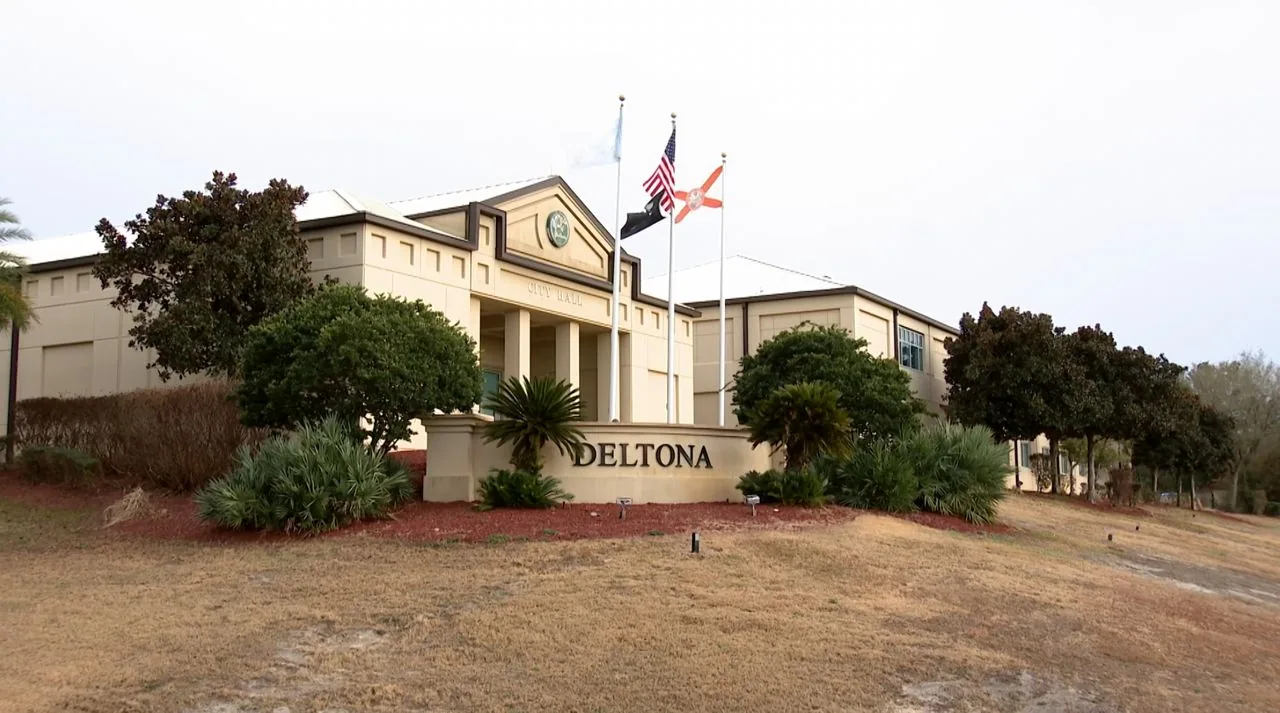
Commercial Roofers Deltona documents the roof before it quotes the work, so every scope starts from what is actually on the building.
Ready to Review Your Roof?
Tell us about the building, the roof and what you are seeing. We will outline the next practical step, whether that is an inspection, a repair scope or a replacement plan.