TPO Roofing in Deltona, FL
TPO roofing for Deltona commercial buildings, with seam, drainage, insulation and wind details scoped before a recover or replacement is priced.
A TPO seam that lifts at a curb is a small repair until rain reaches the insulation and spreads beyond the visible mark. On a Deltona retail, medical or flex building, that delay can turn a weld repair into a wet-board replacement just as afternoon storms become routine. The membrane choice matters, but the failure point usually sits where sheets meet drains, walls or equipment. We inspect those details before anyone prices a new field sheet.
White thermoplastic polyolefin can suit a low-slope roof when the deck, attachment and drainage support the assembly. Our commercial roof inspection records seams, penetrations, edge conditions and moisture findings, then separates repair from recover or tear-off. The owner gets a scope that can be compared line by line, not a product name standing in for a roof decision.
Seam Condition: Where Heat and Water Meet
A TPO sheet depends on a continuous heat weld. Dirt, moisture, poor temperature control or foot traffic across a cooled seam can leave a channel that opens under movement. We probe welds, inspect corners and transitions, and mark any area where separation continues beyond a local defect. Around Howland Boulevard, retail deliveries and rooftop service visits can add traffic to the same paths, so protection and access routes belong in the repair scope.
Welding a new patch over a contaminated edge only hides the problem for a short time. The surface has to be cleaned and the membrane brought back to a condition that can accept a sound weld. Where failure follows the seam for a long run, we price the affected sheet or section rather than presenting a patch as a lasting correction. Owners weighing alternatives can compare that scope with PVC membrane roofing or a KEE membrane assembly where the building use calls for a different material review.
Moisture and Deck: Find What the Leak Reached
A ceiling stain does not show how far water traveled below TPO. Moisture can follow a slope or insulation joint before it appears indoors, while a wet cover board loses the support that keeps a membrane smooth. We map suspect areas, use infrared screening where conditions support it, and confirm marked locations with test cuts. The report distinguishes wet insulation from a dry roof with one failed penetration, because those two findings call for different budgets.
Deltona receives roughly 51 to 53 inches of rain in a year, with much of it arriving from June through September. That long wet stretch makes an unclosed seam or drain detail expensive to leave until the next capital cycle. If the wet area is isolated, a repair may be defensible; if it crosses fields, we compare removal with a code-eligible roof recover. The same findings feed a photographed condition report the owner can keep with the reserve file.
Wind Attachment: The Edge Is Part of the Assembly
Uplift forces do not stop at the membrane edge. Fastener rows, perimeter securement, corners, parapet terminations and metal edge details carry the load back to the deck. A replacement scope that names TPO but leaves attachment vague is missing the part that decides whether the system stays in place. The bid comparison should show the deck type, the fastening or adhesive approach and the tested edge details side by side, and we write ours that way.
Charley crossed Deltona in 2004, and September brings the city its highest hurricane risk. That history makes perimeter review a budget question before a storm forecast appears. The Eighth Edition of the Florida Building Code, in force since the last day of 2023, moved wind design to newer ASCE provisions. We check the applicable project requirements and permit scope rather than assuming an old edge detail can be reused. Volusia County follows the general wind provisions, outside the state's two-county high-velocity zone.
Drainage and Curbs: Keep the New Surface Working
TPO does not correct a roof that holds water at a low point. A drain bowl set too high, a crushed leader or a tapered-insulation gap can keep water against a seam after the field is renewed. We check drainage paths, scuppers and overflows, then list correction separately from membrane work so the owner sees what each line buys. At curbs and pipe penetrations, the flashing height and weldable surface need to remain accessible for future inspection.
A recover raises the finished surface and can leave drains or equipment curbs short. During replacement, a tear-off exposes the deck and lets the crew correct wet areas before the membrane closes them again. Our drain and scupper work addresses the water path. A scope should say which corrections are included instead of hiding them in a broad allowance. Deltona's western edge meets the I-4 corridor, where access and occupied operations can affect when a section is opened. We coordinate deliveries and roof access around the building's use, then close each work area against weather. The owner can compare sequence with membrane and drainage scope before approving the schedule.
Occupied-Site Sequence: Close Each Work Area
A TPO project over a medical office or neighborhood retail space must keep entrances, air intakes and deliveries usable. We divide the roof into work areas, protect material from afternoon weather, and leave each opened area watertight before the crew moves on. The schedule identifies lift locations and noisy work windows so tenants are not surprised by equipment overhead. Along the I-4 edge of Deltona, access and weather timing both belong in the sequence, not in a last-minute field decision.
After installation, the owner should receive product identification, seam and flashing records, photographs and the final maintenance plan. Warranty terms depend on the chosen manufacturer's actual document, so we review those terms before the owner signs the scope. A recurring inspection can catch an open weld or puncture before another wet season compounds it. Our maintenance program records the condition by area, and a broader replacement scope can be compared when repair no longer changes the roof's direction.
Commercial Roofing Questions
Can a loose TPO seam be heat-welded instead of replacing the roof?
A short, isolated seam defect on dry insulation is often a repair candidate. We clean and probe the material, then test whether a sound weld can be made. If separation continues under the sheet or moisture has spread, the patch alone leaves the failure in place, so we map the affected section before pricing.
What tells you whether water is under the TPO membrane?
The roof surface and interior stain are only clues. We compare drainage, seam and penetration findings with infrared indications, then confirm suspect areas with test cuts when appropriate. Those checks show whether the insulation remains serviceable or needs removal before a new membrane is installed.
Does a white TPO roof remove the need for insulation review?
Color does not establish the condition of the assembly. Existing insulation may be wet, compressed or poorly attached, and its condition affects both energy performance and membrane support. We document the layers we can identify and price insulation corrections as their own scope items.
Will a TPO recover change the roof drains?
Raising the surface can reduce the height of drain bowls, curbs and flashing terminations. We check each transition before recommending a recover and include extensions or replacements where the new plane requires them. Existing ponding also needs correction rather than being covered by another layer.
When should a Deltona owner start a TPO replacement decision?
Before the June-through-September rainy period is the useful planning window when the roof shows recurring leaks or open welds. The inspection, moisture confirmation, permit review and material choice each take time. We can set a decision date from those findings instead of waiting for a storm to force the schedule.
Call before the next heavy rain or hurricane season. We will map the TPO seams, moisture and edge details, then price the repair and replacement paths for your decision.
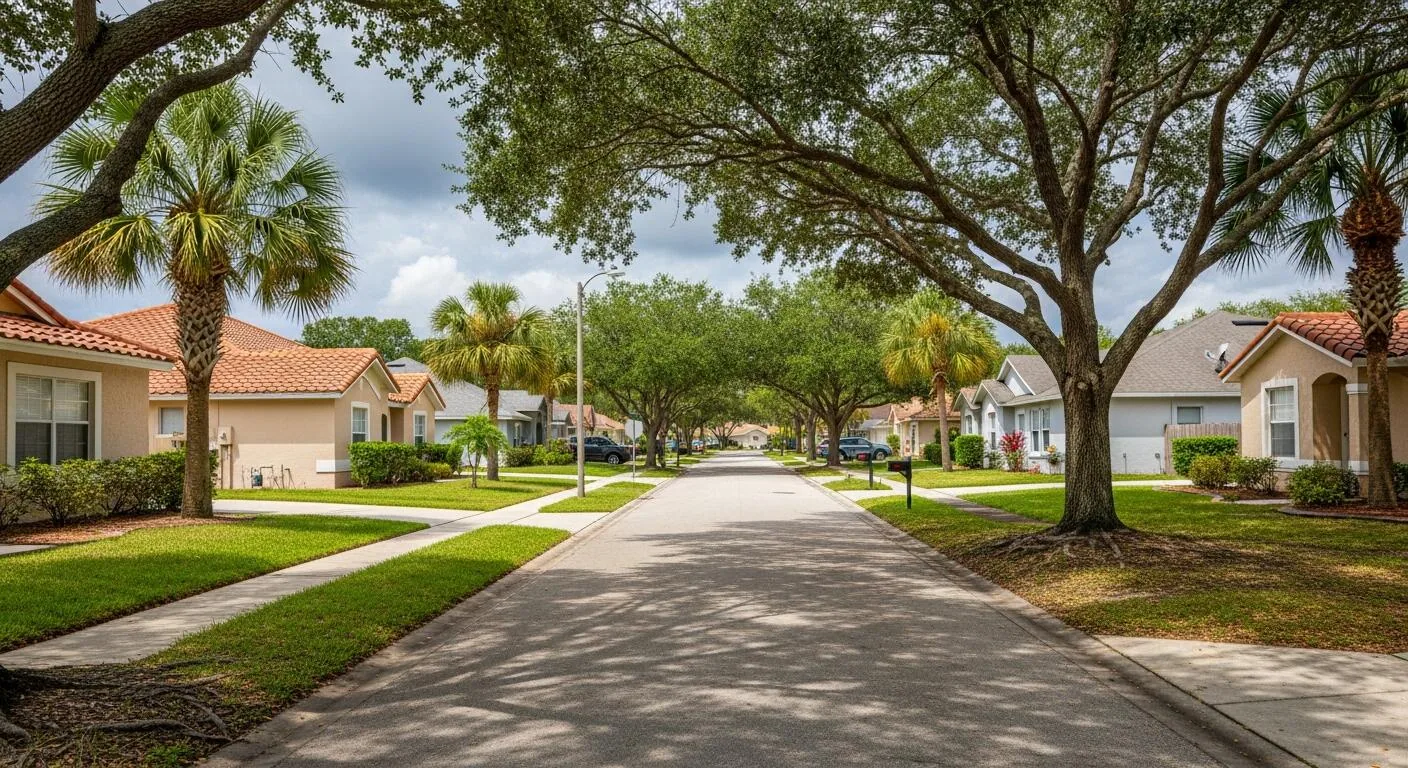
Commercial Roofers Deltona documents the roof before it quotes the work, so every scope starts from what is actually on the building.
Ready to Review Your Roof?
Tell us about the building, the roof and what you are seeing. We will outline the next practical step, whether that is an inspection, a repair scope or a replacement plan.