Built-Up Roofing in Deltona, FL
Built-up roofing in Deltona, FL, with ply adhesion, aggregate, drainage and concealed moisture reviewed before a repair, recover or tear-off bid.
Loose gravel on a walkway can be the first sign that a built-up roof's surface is moving, not just a housekeeping issue. Water may be passing through a worn cap or open flashing and collecting between plies before a ceiling stain appears. Deltona's wet months keep that concealed condition active. We inspect the surfacing and the layers beneath it before deciding whether to restore a limited area or price a larger replacement.
Built-up roofing combines multiple reinforcing plies with bitumen and a protective surfacing. Its performance depends on the continuity of those layers, the bond between them and the way the roof drains. A proposal that says only new BUR leaves out the work that determines serviceability. Our roof inspection records the field, flashings and drains, then compares repairs with modified bitumen or a single-ply option when the roof conditions support that discussion.
Ply Separation: Look Below the Surfacing
Cracks, ridges, blisters and exposed reinforcement point to different possible failures. We probe representative areas and check whether the plies remain bonded, whether the surfacing has moved and whether moisture has reached the insulation. A loose top layer can sometimes be repaired locally; widespread separation below it changes the scope. Test openings are planned and closed the same day, so the inspection does not become a new water entry point.
Aggregate can hide the exact seam or flashing condition until it is moved. We identify where material must be cleared, how the exposed surface will be prepared and what compatible patch or ply sequence will follow. Wherever a built-up roof sees regular service traffic, gravel migrates into drains and wear paths form around equipment, which is common on roofs above retail and medical space near Howland Boulevard. The estimate should account for those affected areas rather than assume every square foot has the same condition.
Water Path: Drain the Field Before It Reaches the Plies
Ponding at a drain, scupper or low area keeps water against the same seams after every storm. We check drain height, leaders and overflow routes, then trace the slope to see where water is held. A surface repair will not correct a blocked or poorly placed outlet. The scope identifies whether the correction is cleaning, drain work, tapered insulation or a larger drainage redesign, with each item priced apart from the membrane work.
Deltona records roughly 51 to 53 inches of yearly rain, concentrated mainly in June through September. A roof with slow drainage can remain wet through repeated storms and make small surfacing defects harder to isolate. We compare the wet-area map with test cuts and the interior leak log, then show what material can stay. The owner can review a drain and scupper correction beside the moisture findings before choosing the repair boundary.
Flashing and Edges: Continue the Waterproofing Up the Wall
BUR turns up at parapets, curbs and pipes, where a small crack can feed water beneath several layers. We inspect the base flashing, termination, counterflashing and metal edge as a connected detail. If the field is repaired but the flashing remains loose, the leak can return from the same path. Photographs and a marked roof plan show where the detail fails and whether the correction reaches sound material.
Hurricane Charley crossed Deltona in 2004; gusts were recorded in nearby Longwood and Altamonte Springs. That history is reason enough to look carefully at perimeter securement before each hurricane season. We identify loose edge metal and deficient terminations for repair or replacement. The flashing repair scope and edge-metal work should be explicit in bids, since they are often treated as small allowances even when they control water entry.
Recover or Remove: Let the Assembly Decide
A built-up roof may be a recover candidate when its layers are stable, the deck is sound and moisture is limited. A new layer over saturated insulation traps the condition and makes the eventual tear-off more expensive. We confirm the roof build-up with test cuts, note existing layers and identify any structural question before pricing an overlay. The owner gets a clear line between areas suitable to remain and areas that cannot be covered.
The current Florida Building Code has a percentage threshold that can affect when local repair or recovery requires broader compliance; prior repair history matters. We check the building's documentation and permit scope before setting the final quantity. If removal is needed, we price disposal, deck repairs, insulation and replacement separately. A recover option can be compared with a tear-off scope and a capital schedule, rather than relying on the lowest first invoice.
Occupied Scheduling: Protect the Building Below
Built-up work can involve hot materials, noise and delivery staging. We plan lifts and work zones around entrances, tenant hours, rooftop equipment and fire controls. The crew opens only the area it can close to a watertight condition that day. In summer, the afternoon storm window is part of the sequence, and the owner should know how access and temporary dry-in are handled before work begins.
At closeout we provide photographs, a roof plan, material records and a list of remaining maintenance items. The next inspection can then distinguish an old patched area from a new change. Our maintenance visits can track drains, surfacing and flashings, and owners along the Deltona I-4 corridor can schedule them around deliveries and tenant hours. The owner's reserve decision is clearer when condition and timing live in the same file.
Commercial Roofing Questions
How can I tell whether my BUR roof has wet insulation?
The surface alone cannot settle that question. We compare stains and ponding with infrared indications where useful, then confirm suspect locations through test cuts. A marked report shows the wet limits, the condition of the deck and which plies can remain. That boundary determines whether a repair is sensible or a tear-off should be priced. We keep each finding tied to a location on the roof plan and identify whether surrounding plies remain attached, so a small repair is not expanded without evidence.
Can loose aggregate be replaced without removing the whole roof?
Sometimes, when the underlying plies remain attached and dry. We check the cap sheet and nearby flashing after clearing loose surfacing, then prepare the area for a compatible repair. If the aggregate loss follows broad delamination or exposed reinforcement, the correction needs to address more than loose stone.
Is built-up roofing repairable after years of ponding?
The drain path and moisture map set the repair boundary. We identify whether the low area can be corrected and whether the insulation beneath it has stayed dry. A repaired cap sheet over a persistently ponding field may fail again, so drainage and membrane work are separated in the proposal.
What is the difference between a BUR recover and a tear-off?
A recover keeps an eligible existing assembly in place and adds a new system above it. A tear-off removes the layers so wet insulation and deck conditions can be corrected directly. We verify layer count, attachment and moisture first, then price both routes when the roof can qualify for either.
How should BUR work be scheduled for a Deltona building?
Work should be planned around the building's hours and the day's weather window. We stage materials, coordinate hot-work controls where applicable and close each opened area before leaving. Starting the inspection before the June-to-September rain period gives more room for approvals and sequencing. We also note whether drains, edge metal and occupied-site scheduling are included, since each can change the finished scope. A dated roof plan and photographs make later maintenance easier to compare with the work completed now.
Call before another wet season. We will inspect the plies, drains and flashings, confirm moisture where needed and compare the repair, recover and tear-off paths.
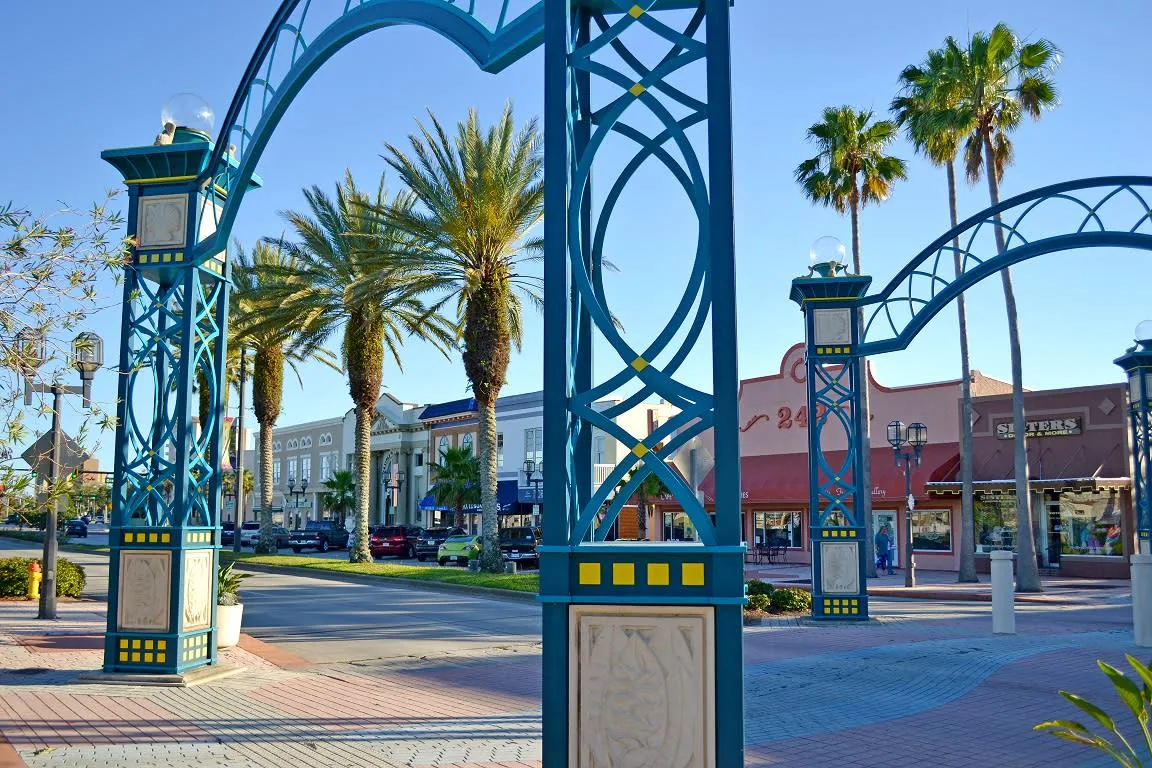
Commercial Roofers Deltona documents the roof before it quotes the work, so every scope starts from what is actually on the building.
Ready to Review Your Roof?
Tell us about the building, the roof and what you are seeing. We will outline the next practical step, whether that is an inspection, a repair scope or a replacement plan.