Standing Seam Metal Roofing in Deltona, FL
Standing seam metal roofing in Deltona, FL, with panel movement, clips, flashing and wind details scoped for commercial buildings and owners.
A standing-seam panel that cannot move with heat will push its fasteners, clips or flashing until water finds the opening. That failure may start quietly above an occupied Deltona building, then show itself after a hard summer rain. We inspect the panel runs, seams and transitions before treating a leak as a sealant problem. The owner needs to know whether movement is limited to one detail or the roof's installation system is working against the building.
Standing-seam metal uses raised interlocking seams and concealed clips or fasteners, with the exact assembly varying by panel and substrate. Panel length, slope, penetrations and edge conditions influence the design. Our inspection records the metal type, seam closure, flashing and drainage. When a low-slope area is part of the same facility, a comparison with TPO or PVC roofing can keep the discussion specific to each roof plane.
Thermal Movement: Let Long Panels Travel
Metal expands when warm and contracts as it cools. A properly designed standing-seam assembly accommodates that movement at clips, panel ends and transitions. If clips are fixed where sliding clips were needed, or the panel run is longer than its details allow, fasteners can loosen and seams can distort. We inspect for oil-canning, pulled fasteners, buckling and stress at end laps, then determine where the movement stops being controlled.
Deltona's mean daily high reaches 92 degrees Fahrenheit in July, with sun between frequent wet-season storms. That heating cycle makes panel attachment and expansion details worth documenting, especially at wide roof areas or changes in direction. The estimate identifies the suspected failure point and the correction proposed. Replacing sealant at a moving joint may only postpone the same opening; a lasting repair has to address the restraint or flashing that caused it.
Seams and Clips: Find the Restraint Behind the Leak
Raised seams shed water when their locks remain closed and the panel edges are aligned. We check seam joints, clips where accessible, fastener lines at perimeter conditions and transitions around curbs. A panel can look straight from the ground while a clip has backed out or a seam is opening at the eave. Photos and marked observations let the owner see whether the correction is a single clip, a run of panels or a perimeter detail.
Where roof access is shared with maintenance trades, foot traffic can dent a panel or damage a closure. We note the path and whether a walk pad or designated access route would reduce future contact. Near Howland Boulevard, active retail and medical uses make rooftop equipment visits routine. Our seam repair work addresses the joint, while a metal roof repair scope can include the clips and flashings that caused it.
Penetrations and Water: Keep Details Above the Drainage Plane
Pipes, skylights and rooftop units interrupt the panel field, so their flashing must accommodate both the metal profile and movement. A curb cut too close to a seam can leave little room for a durable transition. We inspect boots, closures and sealant as components of the assembly, not as cosmetic finish. At low points and eaves, water should have a clear route away from panel ends and interior gutters.
Heavy rain concentrated from June through September can expose a drainage problem quickly. We check valleys, gutters, downspouts and overflow routes, then identify whether leaves, deformation or poor slope holds water against the panel. If leakage appears below an equipment curb, we inspect the uphill seam and water path before removing the flashing. The proposal can separate penetration flashing from gutter and edge work, so the owner sees what repairs the entry point and what improves drainage.
Wind and Perimeter: Review the Panel Ends and Edges
Wind load travels through the panel locks, clips, fasteners and perimeter restraint to the structure. Loose trim, missing closures or a weak eave detail can compromise an otherwise intact field. We inspect corners and edges, document attachment evidence and identify where the assembly needs a tested or engineered correction. The bid should say what is replaced and how the new detail ties into the existing metal.
Hurricane Charley crossed Deltona in 2004, and Hurricane Milton later brought 99 mph gusts at Ponce Inlet and heavy rain across parts of Volusia County. After storms like those, a post-storm walk should distinguish impact, displaced trim and older corrosion. We record the observations, then coordinate any needed wind-damage repair with the applicable code and manufacturer detail.
Repair or Replace: Compare Metal With a Compatible Alternative
A standing-seam roof with sound panels and localized flashing failure may need only a focused correction. Corrosion through the panel, widespread seam opening or repeated movement failures may make replacement more economical than chasing each leak. We inspect both the roof surface and the supporting deck where accessible, and include concealed deck conditions as an allowance rather than assuming them away. The owner can then compare a repair with a complete system scope, and the comparison names the panel profile and trim the existing roof uses, so a replacement quote matches the building instead of a catalog default.
If a metal roof uses exposed fasteners rather than standing seams, a retrofit system may be considered after substrate and attachment review. Our metal retrofit evaluation considers a different panel condition; a general replacement proposal covers removal where the existing assembly cannot be retained. Along the Deltona I-4 corridor, we plan access and deliveries around occupied operations and close each opened area before the afternoon weather window.
Commercial Roofing Questions
Why are the standing seams on my roof lifting or buckling?
Movement may be restrained by clips, panel length, fasteners or a flashing that was fixed where it needs to move. We inspect the seam and its terminations, then trace the deformation to its likely restraint. Replacing a sealant bead alone will not correct a panel that cannot expand and contract. We also record whether the problem follows one panel or continues across multiple bays, because that distinction changes how much metal and trim must be removed.
Can a standing-seam metal roof be repaired in one section?
A section repair is possible when adjacent panels and their connections remain sound. We check seam interlock, clip attachment, panel ends and the tie-in detail before limiting the scope. If stress has traveled along the run, the repair boundary needs to include the affected connection rather than just the visible leak.
Does a metal roof need a coating when it starts leaking?
A coating is not the default answer to a leak. We first identify whether water enters at a seam, fastener, flashing or drainage detail, and whether corrosion has reduced the panel. Coating may be considered only after substrate compatibility and preparation are established; moving seams still need a movement solution.
How does a Deltona storm review distinguish new damage from old wear?
We photograph each observation, note its location and compare it with the roof's prior records where available. Displaced edge trim, fresh puncture or a changed seam may need immediate correction, while older coating loss can be scheduled. Storm history is context; roof-specific evidence sets the work scope.
What should a standing-seam reroofing bid include?
The panel profile, metal gauge and finish, clip or fastener approach, transitions, edge restraint, drainage and replacement of damaged substrate should be identified. We also state how penetrations and daily weather closures are handled. Those details let the owner compare a complete assembly instead of a panel price alone. We include access planning, weather closures and the record package as distinct project items. This prevents a metal panel number from obscuring the clips, trim and transition work that complete the assembly.
Call before heavy rain or hurricane season. We will inspect panel seams, clips and transitions, then explain whether a repair or replacement scope fits the roof.
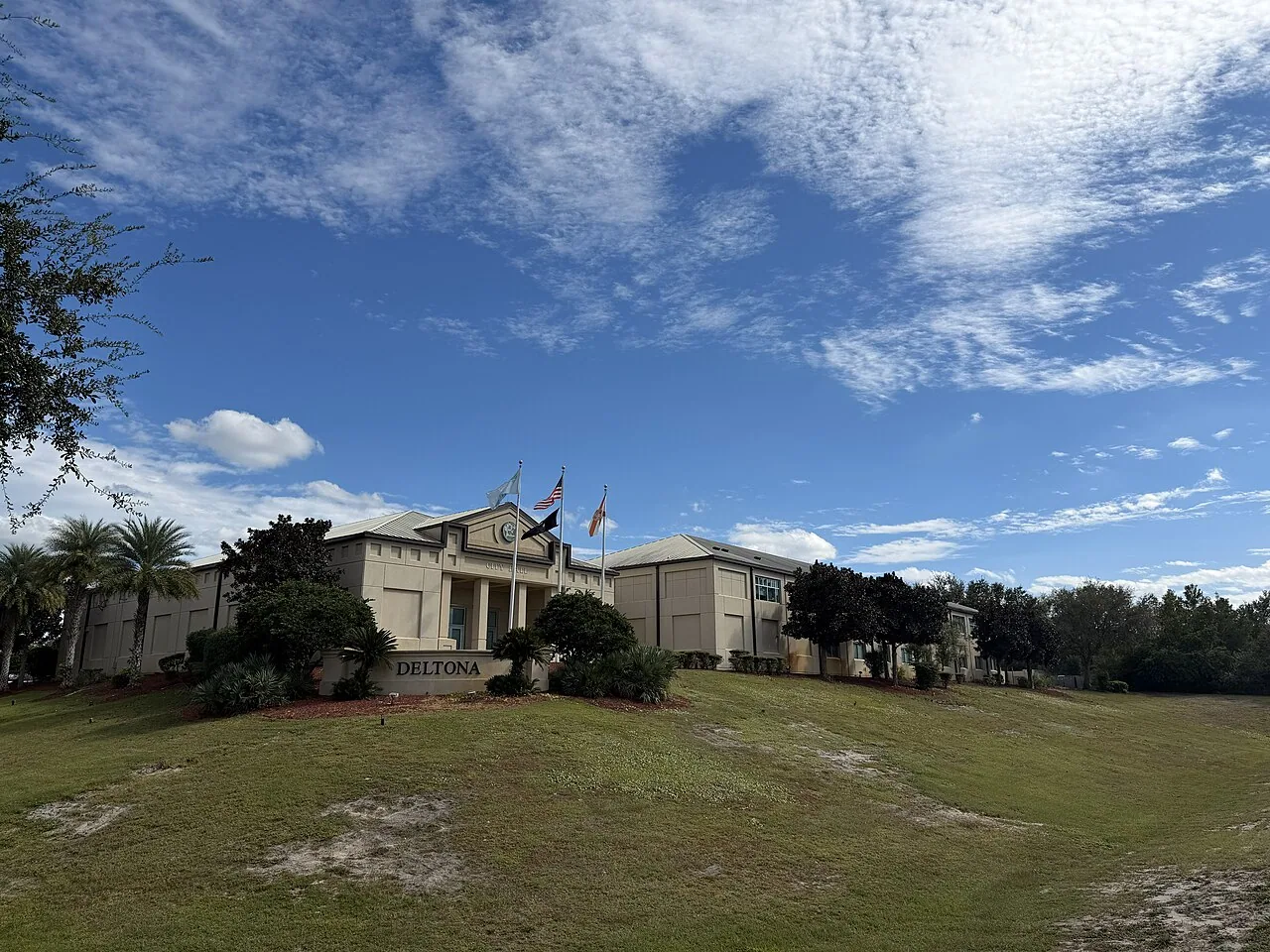
Commercial Roofers Deltona documents the roof before it quotes the work, so every scope starts from what is actually on the building.
Ready to Review Your Roof?
Tell us about the building, the roof and what you are seeing. We will outline the next practical step, whether that is an inspection, a repair scope or a replacement plan.