Office Building Roofing in Deltona, FL
Office roof repair, replacement, and maintenance in Deltona, FL. We inspect leaks, rooftop equipment, drainage, tenant exposure, and project timing.
A ceiling leak in an office can interrupt a tenant meeting, threaten equipment, and create a repair request before anyone knows where the roof failed. The stain is evidence of water below, not a map of the opening above. We trace the path through seams, curbs, drains, and wall transitions, then document whether the affected insulation is dry or wet. By the end of the walk the owner holds a marked repair boundary and the next decision.
The Deltona Village plan along Howland Boulevard includes medical offices, retail, and flex uses. An office roof usually serves several tenants with different hours. On a specific property, we coordinate roof access, tenant notice, and the work area with the manager, then set the scope before the summer rain cycle makes a small opening harder to control.
Failure Point: Follow the Water Before Opening the Roof
Water may enter at a seam, pipe penetration, equipment curb, or perimeter detail, then travel across the deck. We compare the interior report with nearby roof transitions. If the surface does not show the full extent, a moisture survey can help identify wet insulation. Our leak repair service then addresses the entry point and any damaged material that should not remain in the assembly.
Office roofs also have maintenance paths around HVAC units and exhaust. Foot traffic can wear a membrane or loosen flashing near a service route. We note equipment access, roof-mounted supports, drains, and past repairs so the owner can separate a one-time leak from a condition that will return. After a wind event, the assessment records any displaced edge metal or flashing and the repair that restores the roof boundary.
Charley's 2004 track ran over Deltona, and Longwood and Altamonte Springs both recorded strong gusts from it. Edges and transitions deserve a review after storms like that, especially when a loose detail may let wind-driven rain beneath an otherwise intact field.
Repair Boundary: Choose It on Evidence
A contained puncture or failed flashing may be repairable if the surrounding membrane remains sound and moisture has not spread. Several recurring leaks, widespread wet insulation, or weak attachment can change the recommendation. We distinguish temporary protection from the permanent repair and show where additional investigation may be needed. An owner can then decide whether to authorize a focused repair, a recovery, or a replacement scope.
Recovery may preserve a serviceable roof, but the existing layers, drainage, deck condition, and code limits have to allow it. Our recover assessment checks those conditions before pricing an overlay. A replacement may be the clearer choice when wet material or repeated failures extend across the roof. The condition record lists what was observed behind each recommendation, so ownership and property management can argue the budget from the same page.
Under the 2023 Florida code, repairs, replacement and recovery add up toward a 25 percent share of roof area in any 12 months. When that share is passed, a roof from the pre-2007 era can be held to current code throughout, so we count it before separate repair scopes pile up.
Tenants and Equipment: Coordinate Both
Office roofs often carry HVAC units, exhaust, conduit, and service routes. The membrane must be flashed at curbs and protected where technicians walk, while drains and scuppers must keep a route open for water. TPO roofing seams are welded and EPDM roofing seams are adhered or taped, so their flashing methods differ. We compare options against the deck, drainage, existing layers, and the equipment layout rather than choosing a material in isolation.
Before work, we identify the tenants below, the hours when access is available, and any rooms or corridors that need protection. Occupied-building reroofing can be phased by roof area, with notice and temporary restrictions set in advance. If the work reaches equipment supports, we define the roofing interface and coordinate separate mechanical work with the property's contractor.
Deltona's mean daily high reaches 92 F in July, and most rain arrives from June through September. Heat and frequent wet-weather windows affect when materials can be installed and when a roof area can be closed. We explain the planned daily limit and what happens if conditions interrupt that sequence, so tenant exposure is part of the owner's decision rather than a surprise in the field.
Work Window: Set It Around the Building
Office managers can help by identifying roof access, tenant schedules, sensitive interior areas, and rooftop service calls that cannot be moved. We use those constraints to stage materials and sequence work above occupied space. If a repair requires an interior hold, we identify the affected rooms and duration as part of the scope. A property contact should know who can approve a boundary change if roof removal exposes additional wet material.
State Road 472 ends near Howland Boulevard at Deltona's northwest edge, while I-4 runs along the city's western boundary. We confirm the actual loading area, gate, staging zone, and roof entry with the manager. For a roof near the Howland Boulevard commercial area, the project plan still comes from the property's own tenant and access conditions.
Deltona's summer rain is concentrated between June and September. If a leak is active, temporary protection may reduce immediate exposure while the permanent scope is reviewed. We explain what can be completed before the next heavy rain and what needs a later work window, keeping the reserve line tied to a sequence the building can support.
Bid Review: Read the Assumptions Behind the Price
Office roof proposals may vary on wet insulation removal, tear-off, edge metal, drains, equipment flashing, and tenant protection. Each item is listed by roof area as included, excluded, or subject to confirmation once the roof is open. That helps ownership compare bids without assuming that the same words describe the same work.
Review the repair map, assembly details, access plan, and close-in sequence. The inspection scope can establish a baseline for repair or capital planning. If the building combines offices and storage, warehouse roof conditions create different traffic and operating concerns; if clinical use shares the property, medical-office roofing adds another set of access and continuity questions. Keep the proposed scope specific to each roof area.
Arrange a roof walk before the next heavy rain or hurricane season. It shows where the water entered, explains repair and replacement choices, and sets the decision date while the issue is still manageable on the owner's schedule.
Commercial Roofing Questions
Why does an office ceiling stain not match the roof leak?
Water can ride the deck or framing a long way before it finds a ceiling opening. We trace the path from the reported stain through nearby seams, penetrations, and transitions, then check for wet insulation. That allows the repair to reach the entry point instead of treating the interior mark as the whole problem.
Can tenants remain in the building during roof work?
We lay out the work zones with the manager and name the rooms, corridors, and equipment under each phase. Some areas may need temporary limits while overhead work is underway. The schedule and protections depend on the roof condition, installation method, and the building's access rules, which we make visible before mobilization.
What makes a roof replacement necessary instead of repair?
Repeated leaks, broad wet insulation, deteriorated attachment, or a code threshold can move the decision beyond a local patch. We document those conditions and compare the remaining serviceable areas with recovery and replacement. A repair may still be appropriate where the failure is contained and the surrounding assembly is sound.
How do rooftop HVAC units affect the roofing scope?
Each curb, conduit, and service path interrupts or wears the roof assembly. We inspect flashing and nearby membrane, then state what the roofing work includes and what requires a mechanical trade. The proposal should also show how technicians can access equipment after the roof is complete without creating new damage.
What should I check when comparing office roof bids?
Compare the mapped work area, wet insulation assumptions, edge and drain details, equipment flashing, tenant protection, and how concealed conditions are handled. We can explain differences in repair, recovery, and replacement scopes so the owner can evaluate what each number includes and what risk remains.
Call to review the water path, roof condition, and tenant schedule. We will separate immediate protection from the permanent repair or replacement scope.
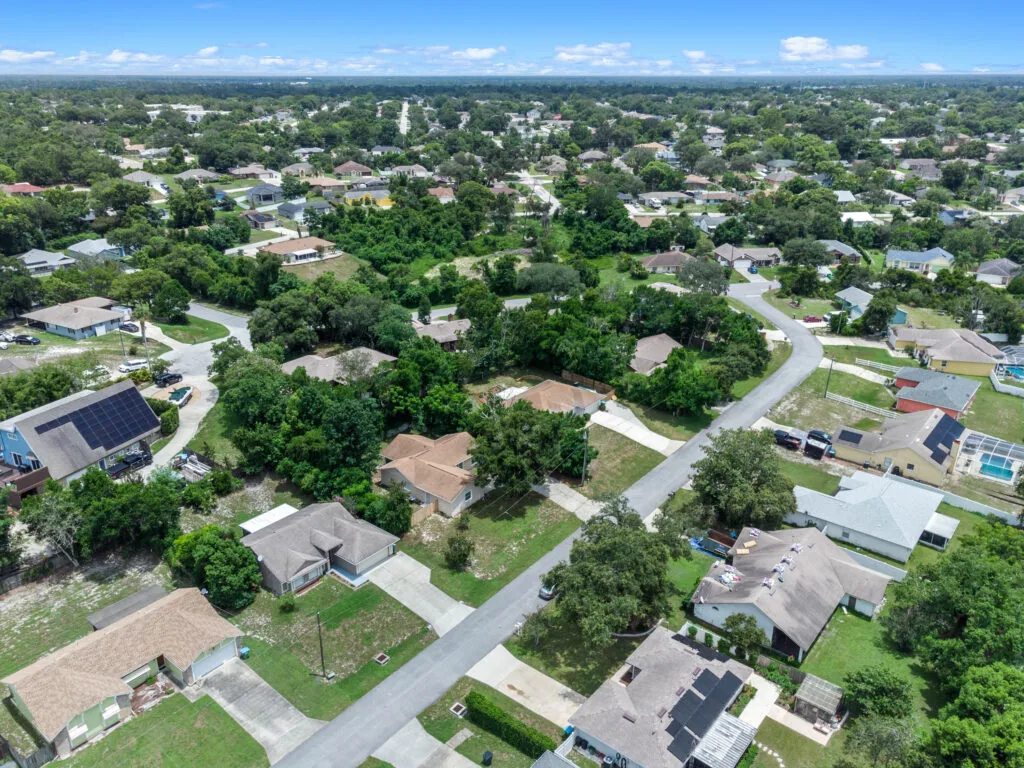
Commercial Roofers Deltona documents the roof before it quotes the work, so every scope starts from what is actually on the building.
Ready to Review Your Roof?
Tell us about the building, the roof and what you are seeing. We will outline the next practical step, whether that is an inspection, a repair scope or a replacement plan.