Manufacturing Plant Roofing in Deltona, FL
Commercial plant roof repair and replacement in Deltona, FL. We trace leaks around equipment, assess wet insulation, and plan work around production.
Rain through the roof above a production line turns a building issue into a scheduling decision. Water can reach controls, product, or a finished surface before the ceiling shows where it entered. The repair may also compete with exhaust equipment, deliveries, and a shift that cannot stop without planning. The roof walk traces the interior report to its likely entry point and tells the owner whether a local repair can hold or moisture and repeated failures have widened the scope.
Deltona zoning includes light-industrial uses, and the Deltona Village plan on Howland Boulevard sets aside flex space for light industry. Light industry is a planned use here, which makes a production-ready roof plan relevant: define the area at risk, coordinate access with the site lead, and set the decision before summer rain adds more water to the assembly.
Failure Point: Follow the Water and the Process Risk
On a low-slope plant roof, a failed seam or flashing detail can feed moisture into insulation and then spread beyond the visible stain. Roof curbs, exhaust supports, piping, and service paths add transition points. We check those details and compare the roof condition with the production area's report. When the source is not clear, a moisture survey may help distinguish a dry assembly from wet material that needs removal.
That distinction changes the work plan, especially above electrical controls or a product handling zone. We identify who can authorize a temporary access hold, how materials move below the work, and whether the affected process needs a shutdown window. For a reported leak, our leak repair service traces where water entered rather than treating the interior mark as the roof defect.
Hurricane Charley passed directly over Deltona in 2004. In the same storm, strong gusts were recorded in Longwood and Altamonte Springs. After severe wind like that, edge attachment and exposed transitions get checked. A lifted perimeter detail may let rain work beneath the membrane even if the roof field appears intact.
Scope Split: Separate Urgent Protection From Permanent Work
The first scope separates immediate protection from the capital decision. We document the assembly and wet limits, then compare repair, recovery, and replacement against production risk, not just the number of reported leaks.
A condition report records observations by area, including seams, drains, curbs, edge metal, and visible repairs. If recovery is under consideration, our recover evaluation checks existing layers, drainage, attachment, and substrate condition. If the plant roof is part of a mixed-use property, warehouse roof concerns or distribution roof planning may help distinguish storage operations from process areas, while the recommendation remains tied to the roof in front of us.
Code timing can change the economics. Florida's 2023 code can pull the entire roof under current requirements once work passes 25 percent of roof area in 12 months, unless the roof dates to the 2007 code or later. We flag that threshold while alternatives are still being compared, because a sequence of separate repairs can affect the final scope.
Rooftop Conditions: Account for Heat, Exhaust and Traffic
Manufacturing roofs often carry exhaust equipment and maintenance routes that concentrate foot traffic near curbs and transitions. We look for crushed insulation, punctures, loose flashing, and water held against equipment bases. The membrane needs to tolerate the roof conditions and remain serviceable around those details. TPO roofing and modified bitumen use different seam and repair methods. Whatever system is recommended, its curb and transition details need to be explained for this deck.
Highs near 92 F in July coincide with the June-to-September rains. Afternoon rain can find an unfinished transition, so the scope needs a close-in sequence, not just a list of materials. We identify where work starts, what can remain exposed during a shift, and how the final edge and penetration details will be checked.
When equipment needs coordination, we identify the roofer's work boundary and any separate mechanical scope before mobilization. Equipment curb work can address flashing and support interfaces, while a cover-board scope can be considered when the existing assembly needs a more stable surface. The proposal should distinguish roofing work from concealed conditions that could change the price.
Production Window: Sequence Work Around the Line
A process change or planned stop may create the access window. We use that calendar to sequence zones and establish who releases an area back to operations. If a roof opening cannot be closed before a forecast change, the work moves to a safer window. The roof and process contacts should be clear before a field adjustment is needed.
Howland Boulevard sits near the end of State Road 472, and I-4 follows Deltona's western boundary. Site logistics depend on gates, staging, roof access, and the operation itself. We confirm how materials reach the work area and where lifts or service vehicles can stand without blocking a production route.
For an occupied plant, occupied-building reroofing addresses notice, containment, and phased work. We can also set a Howland Boulevard-area roof review around the property schedule. The condition assessment and the site lead's constraints shape the job.
Bid Review: Make Competing Proposals Comparable
Plant roof proposals can differ on tear-off, new insulation, wet material, curbs, edge metal, and disposal. We list those items separately so ownership can see whether each number buys the same work. If part of the deck remains concealed, the proposal should explain how that condition will be evaluated and priced. A clear exclusion is easier to manage than an allowance with no boundary.
Compare the map of work areas, the roof assembly, the attachment approach, and the close-in plan for each shift. Ask whether the bidder has accounted for production access and who handles equipment work. Our replacement scope can be set against repair or recovery options with the same condition record. Call before the next heavy rain or hurricane season, while you can still plan around the line rather than respond to a wet production area.
Commercial Roofing Questions
How do you protect production equipment below a repair?
We first identify the work zone and the equipment or process beneath it with the facility contact. Then we set a sequence, protection boundary, and release step for each area. If roof removal is needed, the work area must be small enough to protect and close in under the agreed conditions. The final plan depends on the assembly, weather window, and operational restrictions.
Can roof work take place during an active shift?
A phased scope can often keep some operations active, but the roof access and overhead exposure must be coordinated. We mark where material handling, lifts, or temporary restrictions affect the floor below and schedule disruptive work around the available window. If a process cannot safely operate under a roof zone, we make that limit visible before mobilization.
When should a plant owner consider replacing the roof?
Repeated failures, wet insulation across multiple areas, weak attachment, or a repair history approaching a code threshold may point beyond isolated fixes. We document each condition and compare repair, recovery, and replacement scopes. The decision should include what can be deferred, what remains exposed, and whether the code work-area threshold changes the whole-roof requirement.
What does the roof inspection cover around exhaust units?
We inspect curb flashing, nearby membrane, support points, and the paths technicians use to service equipment. We also note whether roof traffic has damaged insulation or created repeated punctures. The report distinguishes the roof work from mechanical work so the proposal does not blur responsibilities or assume a unit must be moved.
How do you keep a roof project from disrupting deliveries?
We coordinate staging and access with the person who manages deliveries, then sequence roof zones to avoid turning or loading paths. If a lift or material drop needs a temporary restriction, we set its location and timing in advance. The facility calendar can identify a better window, but weather and the condition of an exposed roof area still control when work can proceed.
Call to trace the leak, review the roof assembly, and coordinate a work sequence with your operations lead. We will separate immediate protection from the permanent scope.
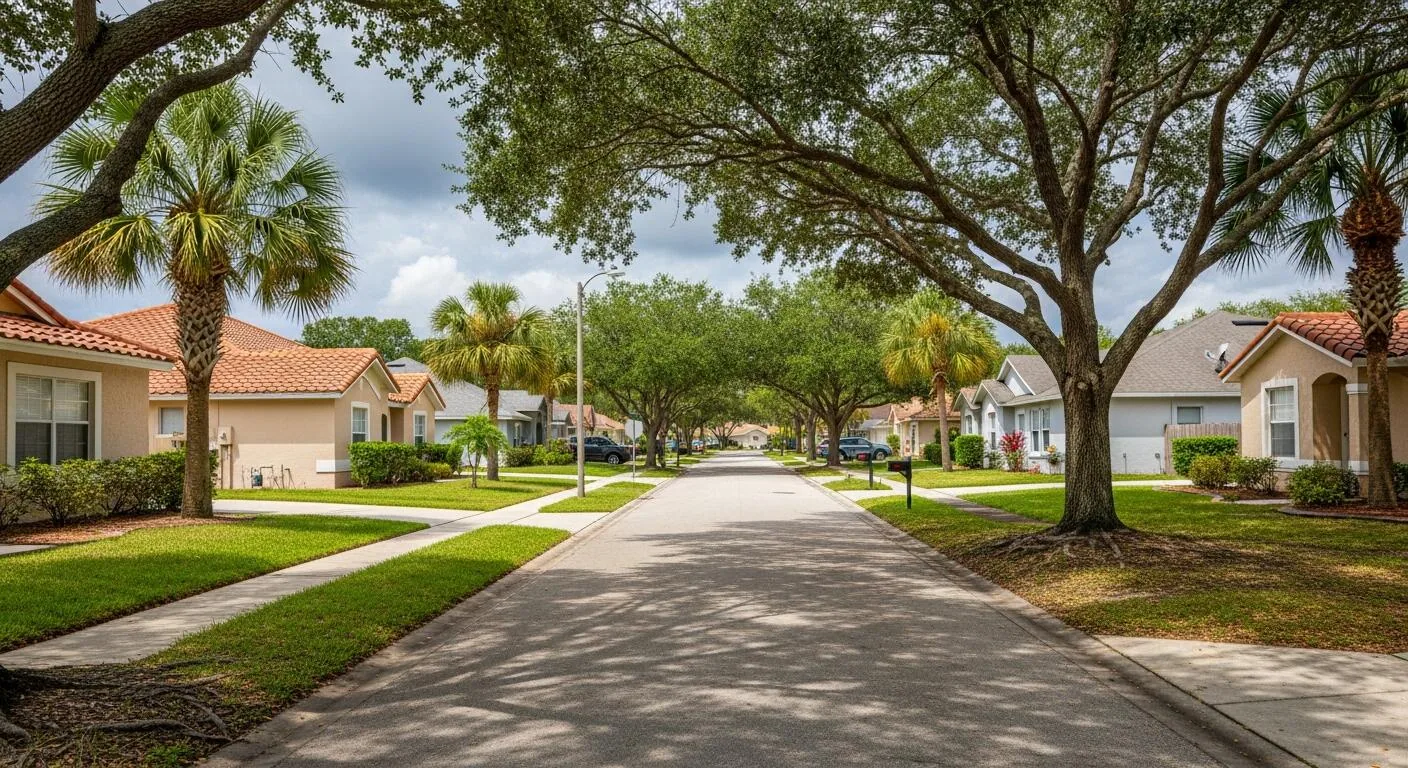
Commercial Roofers Deltona documents the roof before it quotes the work, so every scope starts from what is actually on the building.
Ready to Review Your Roof?
Tell us about the building, the roof and what you are seeing. We will outline the next practical step, whether that is an inspection, a repair scope or a replacement plan.