EPDM Roofing in Deltona, FL
EPDM roofing repair and replacement in Deltona, with seam, adhesive, drainage and moisture findings tied to a practical building scope.
An EPDM lap that has begun to peel is easy to miss from the parking lot. Water can enter at the edge, travel beneath the black rubber sheet and show up in a tenant space far from the opening. In Deltona, the repeated summer downpours leave little room for a weak splice to remain a small defect. We inspect the lap, the substrate and the insulation before deciding whether a patch will hold or a larger section has to come out.
EPDM is a flexible synthetic-rubber membrane commonly installed on low-slope roofs. Its seams rely on adhesive or seam tape rather than a heat weld, so surface preparation and compatible materials matter. Our roof inspection records lap condition, flashing, punctures and drainage, then explains what the owner can authorize now. Where another assembly is under consideration, a side-by-side review of TPO and PVC can clarify the differences without treating any membrane as a cure for wet insulation.
Lap and Adhesive: Prepare the Surface That Must Hold
EPDM laps fail when dust, moisture, aging adhesive or movement compromises the bond. The exposed edge may curl while the remainder still looks flat, which is why we test the lap and inspect its full length. We clean and prepare the material using a repair method compatible with the existing sheet, then set a patch beyond the damaged portion. A repair made over residue can lift again after heat and rain work the joint.
At equipment curbs, wall terminations and pipe boots, the membrane changes direction and receives more movement than the field. We check whether the flashing is secure, whether old sealant is hiding an open edge and whether water can pond against the detail. Around Howland Boulevard, rooftop service access above retail and medical uses can repeatedly cross the same paths. We identify protection needs and include the local detail repairs in the written scope, rather than pricing only the visible lap.
Sun and Surface: Read the Rubber Before Coating or Repair
EPDM can chalk, shrink or develop surface cracks as it ages, and those signs do not all call for the same response. We look for loss of flexibility, seam movement, punctures and distress at the perimeter. Coating is not a shortcut for an incompatible or wet assembly. When a restoration is considered, the surface must be clean, sound and prepared for the chosen system; a sample area can show whether adhesion is acceptable before the owner commits to the field.
Deltona's mean daily high reaches 92 degrees in July, while much of the area's annual rain arrives between June and September. The hot surface and wet season create a narrow window for preparation and drying. We schedule surface work around weather, document what was cleaned or removed and protect open details from afternoon showers. If the membrane is broadly worn, our replacement evaluation compares removal with a properly qualified restoration coating, including the preparation each option requires.
Moisture Boundary: Find the Water's Reach
A darkened ceiling tile is not the outline of a wet roof. Water can move along insulation joints, deck flutes or a slight slope, then appear inside at the easiest path down. We compare the reported leak with drain bowls, seams and penetrations, use infrared screening where conditions support it, and confirm suspect zones with test cuts. The owner sees where wet material starts and stops, not just a guess based on the room below.
The wet-season pattern in Deltona makes delayed diagnosis costly: repeated rain can keep saturated board from drying and can leave the deck exposed to ongoing corrosion or deterioration. We separate areas that remain dry from those that need removal, and note whether the roof is a reasonable recover candidate. A moisture survey and condition report preserve the findings for bid comparison. That record matters when an owner needs to explain why one area is being repaired while another is scheduled for replacement.
Wind and Edges: Secure the Perimeter Along With the Field
A flexible membrane can tolerate movement, but that does not make perimeter attachment optional. The edge, corners, terminations and fastener lines transfer wind pressure to the deck. We inspect the existing edge metal, look for pullback or loose sections, and identify how the proposed EPDM assembly will be secured. A bid that names the membrane but omits edge conditions leaves a major scope gap for the owner to discover after the roof is opened.
Hurricane Charley passed over Deltona in 2004; nearby Longwood recorded a 97 mph gust and Altamonte Springs recorded 101 mph. Gusts like those are why uplift details deserve review before a storm. Current Florida code provisions and the building's geometry determine the project design. If edge metal or drainage hardware is deficient, we carry that correction separately with edge-metal work and identify any permit coordination needed.
Service Sequence: Keep Tenants and Records in the Plan
On an occupied building, EPDM repair should not interrupt more space than the work requires. We set access routes, protect entrances and note when rooftop equipment needs a shutdown. A repair area is prepared, dried and closed before the crew leaves; if conditions turn, the daily plan accounts for temporary protection. A medical office near a busy corridor and a small flex building have different access needs, so we discuss the building's operating hours before setting the sequence.
Closeout should identify repair locations, materials used, photographs and remaining items for later budgeting. Manufacturer warranty terms are reviewed from the applicable document, and any required notice or repair method is followed. Our maintenance visits can watch the repaired laps and drains over time; the broader capital plan shows when repeated section work is no longer changing the roof's condition. Along the I-4 corridor, owners can schedule this review before the next wet season sets the date for them.
Commercial Roofing Questions
Can an EPDM lap be repaired without replacing the membrane?
A short open lap can be repaired when the surrounding sheet is sound, the substrate is dry and the repair area can be prepared correctly. We inspect beyond the visible edge and check nearby flashing. If the lap has pulled back for a long distance or moisture has spread underneath, we price the affected area rather than promising a patch will stop the leak.
Why does EPDM seam tape or adhesive let go?
Surface contamination, trapped moisture, aging materials and movement can all weaken a splice. The failure often starts where dirt or old sealant remains at the edge. We identify the existing membrane and prepare it for a compatible repair, then check whether the same condition appears at other laps or curbs.
Can you coat an older EPDM roof in Deltona?
Only when the membrane and insulation meet the chosen system's preparation and adhesion requirements. We inspect for wet board, loose seams, shrinkage and surface contamination, then test a representative area when coating remains an option. A coating does not remove saturated insulation or correct a drain set too high.
How do you tell if water has spread beneath an EPDM roof?
We trace the leak report against roof slopes and details, then use infrared screening where conditions are useful and confirm suspect locations with test cuts. The mapped boundary shows the owner what material must come out. That is more reliable than estimating the repair from the ceiling stain alone.
What should an EPDM repair proposal identify?
It should identify the membrane condition, repair method, surface preparation, affected area, flashing and edge work, and any moisture or deck allowance. We list these separately so the owner can compare bids and understand what is still unknown. Photographs and a closeout note keep the repair record with the building file.
Call before the next heavy rain or hurricane season. We will map the EPDM seams, moisture and edge details, then set a repair or replacement decision date.
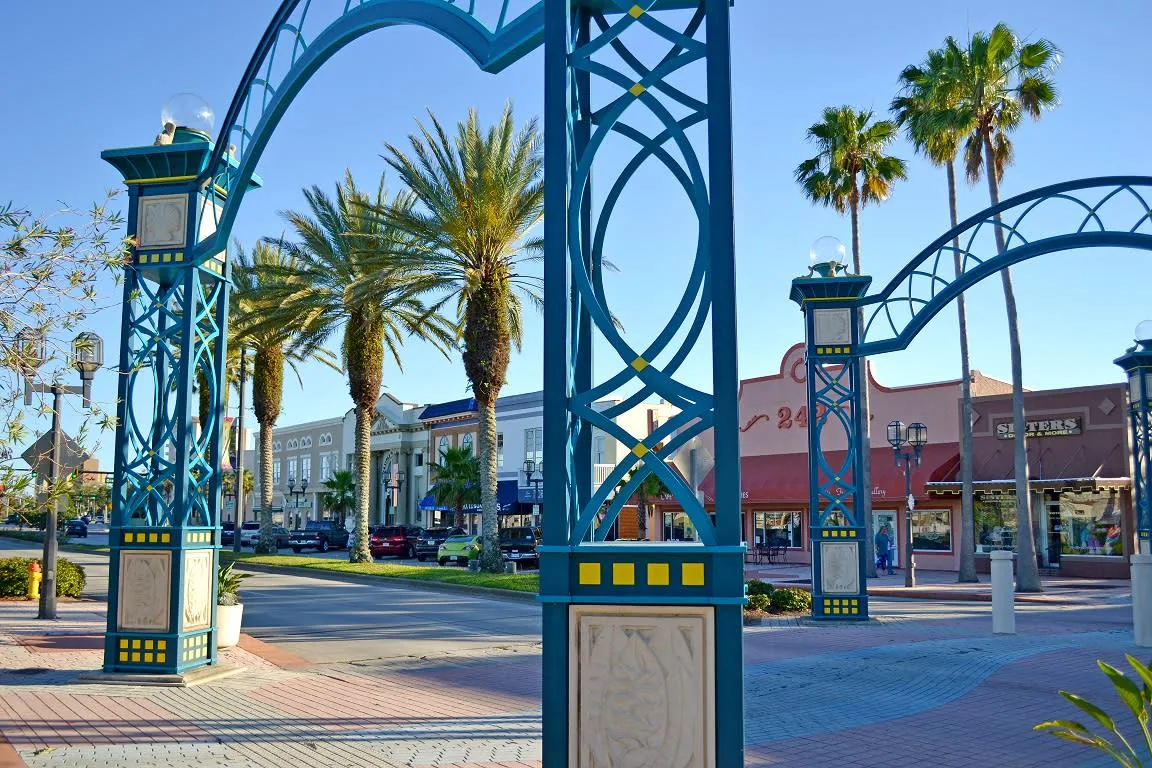
Commercial Roofers Deltona documents the roof before it quotes the work, so every scope starts from what is actually on the building.
Ready to Review Your Roof?
Tell us about the building, the roof and what you are seeing. We will outline the next practical step, whether that is an inspection, a repair scope or a replacement plan.