
Warehouse Roofing in Deltona, FL
Commercial warehouse roof repair, replacement, and maintenance in Deltona, FL. We trace leaks, inspect seams and drains, and set a practical scope.
A warehouse leak can travel a long way from the opening that admitted it. Water may follow a deck flute, conduit, or framing member before it reaches a pallet, work aisle, or electrical area. In Deltona, the roof also has to take months of summer heat and afternoon rain. We start by tracing the path, checking the roof field and transitions, then separating a local failure from wet insulation or a wider seam problem. That gives the owner a repair decision with a boundary, instead of a patch placed only above the stain.
Warehouse and distribution uses appear in Deltona's designated land-use mix, and Interstate 4 runs along the western boundary. For an operating facility, we map the affected area, explain the access needed, and set a decision date before another wet season adds exposure.
Failure Points: Where a Warehouse Roof Gives Way
A wide roof field can hide a small failure. On a membrane roof, a split seam, puncture, loose termination, or failed penetration flashing may admit water while most of the surface still looks serviceable. On metal, movement at fasteners, laps, or flashing can open a route into the assembly. Debris at a drain can make matters worse by holding water against a weak detail. The walk follows the suspected route and the details near it, since the ceiling mark rarely sits under the entry point.
Charley's 2004 crossing of Deltona also put strong gusts through Longwood and Altamonte Springs. Edge metal, perimeter attachment, and exposed transitions are worth a careful look once a storm of that size has passed. Our wind-damage roof review can help isolate displaced components from an older leak or a maintenance issue.
Inspection: What It Needs to Establish
We document the membrane type, seams, penetrations, rooftop equipment, drains, edge conditions, and any repairs already visible. Inside, the owner can identify the first stain, equipment concern, or inventory exposure. We compare that point with roof observations and, when appropriate, use moisture testing to find wet insulation beyond the visible mark. A moisture survey can help define the limits of a wet area, while a building that moves freight, like a distribution center, adds dock traffic to the same questions.
The result should answer a few practical questions: Is water entering now? Is the assembly wet beyond the repair point? Can the existing roof be repaired or recovered, or does the condition call for replacement? We mark urgent protection separately from permanent work, because a warehouse manager may need to keep aisles, dock operations, and stored goods in service while the roof decision moves through approval.
Options: Repair, Recover or Replace
A contained puncture or failed flashing may support a targeted repair when the surrounding membrane remains sound and the insulation is dry. Repeated seam failures, broad wet areas, or deteriorated attachment can change the scope. A recover system may preserve a serviceable roof beneath a new assembly, but only when the existing layers, drainage, attachment, and code conditions allow it. Our roof recover assessment checks those constraints before an overlay is priced.
Replacement gives the owner a new assembly and a chance to correct drainage or edge conditions, but it also brings removal, staging, and operational planning. Florida's 2023 code marks 25 percent of roof area worked in 12 months as the point where repairs, replacement or recovery can bring an older roof, one predating the 2007 code, wholly under current requirements. We identify that decision point early and coordinate the scope with the design professional and permitting path.
System choice follows the deck and use. TPO roofing and EPDM roofing each have seam and flashing details that need to fit the building. A warehouse near Deltona's I-4 corridor still needs a roof plan based on its own assembly, not a regional assumption.
Timing: Work Around Shipments and Rain
Roof access competes with truck movement, deliveries, stored inventory, and interior work. Before mobilization, we identify staging areas, protected routes, roof access, and the zones that cannot be exposed at once. If a repair can be divided, we plan the sequence so the building is not left with an open roof at the end of a shift. Someone on the owner's side should be named to move stock or isolate equipment beneath a work area and to relay any change in weather or operating schedule.
Most of the rain comes between June and September, when July highs reach about 92 F. That combination can make a deferred seam repair more consequential as the wet season approaches. Work windows depend on the actual roof, forecast, materials, and site rules. We can explain what must be completed before the next rain and what may be scheduled later, so the reserve line reflects a real sequence rather than one broad estimate.
For a warehouse with active production or third-party tenants, occupied-building reroofing helps frame notices, access limits, and protection zones. We also coordinate roof drains and edge details where the scope reaches them. The owner gets a written scope that identifies work areas, temporary protection, and the decision needed to proceed.
Bid Review: Compare Scopes, Not Just Totals
Two warehouse bids can carry different assumptions about wet insulation, tear-off, deck repairs, perimeter metal, and disposal. A low number may leave those items as allowances or exclude them; a higher number may include broader replacement. We line up the work by area and assembly, then state what is included, what remains unknown, and how a concealed condition would be priced. That makes the comparison useful at the owner's side of the table.
Ask for a clear map of repair limits, the proposed attachment method, edge treatment, drainage work, and any code-trigger discussion. If one bidder proposes coating or recovery, compare the substrate and moisture conditions required for that system with the inspection findings. A warehouse with a production line inside borrows from manufacturing-plant roofing, and the same record gives ownership and facility staff a shared basis for approvals. Call while a contained repair is still separate from a replacement decision, and ahead of the next heavy rain or the start of hurricane season.
Commercial Roofing Questions
Can a warehouse stay open during roof repairs?
We phase work where access, overhead hazards, product handling, and the roof area to be opened allow it. We map the work zones with your facility lead and identify aisles or equipment that need protection or a temporary hold. If a change in operations affects the roof plan, we adjust the sequence before the crew moves to another area.
Why is the ceiling stain far from the roof opening?
Water follows the easiest path through the assembly. It can travel along a deck flute or framing before it finds a penetration or joint that lets it show inside. We compare the stain with roof details and moisture readings rather than placing a patch directly above it. That tracing step helps avoid paying for a repair that misses the actual entry point.
When does a repair become a replacement decision?
The condition beyond the visible leak is the deciding factor. One failed flashing detail may be repairable, while repeated seam trouble or saturated insulation can make broader work more sensible. We document repair limits, wet areas, and the condition of the remaining assembly, then compare repair, recovery, and replacement scopes with the code threshold in view.
What should a warehouse bid identify at the roof edge?
Perimeter metal and membrane attachment deserve their own line of sight. We show whether the scope includes edge securement, transitions, and related drainage details, and explain any access or concealed-deck assumption. That is especially useful when comparing a recover proposal with a tear-off, because the edge condition can affect both attachment and the final water path.
How do you limit exposure to stored goods?
We coordinate protection zones, staging, and the sequence with the facility contact before work begins. A roof area that can be completed and sealed during a workable window is preferable to opening more surface than the crew can protect. Your operations lead can identify sensitive inventory or equipment, and we use that information to define the daily work area and any temporary restriction.
Call to review the leak path, operating constraints, and repair options. We will separate immediate protection from permanent work so you can make the decision on your schedule.
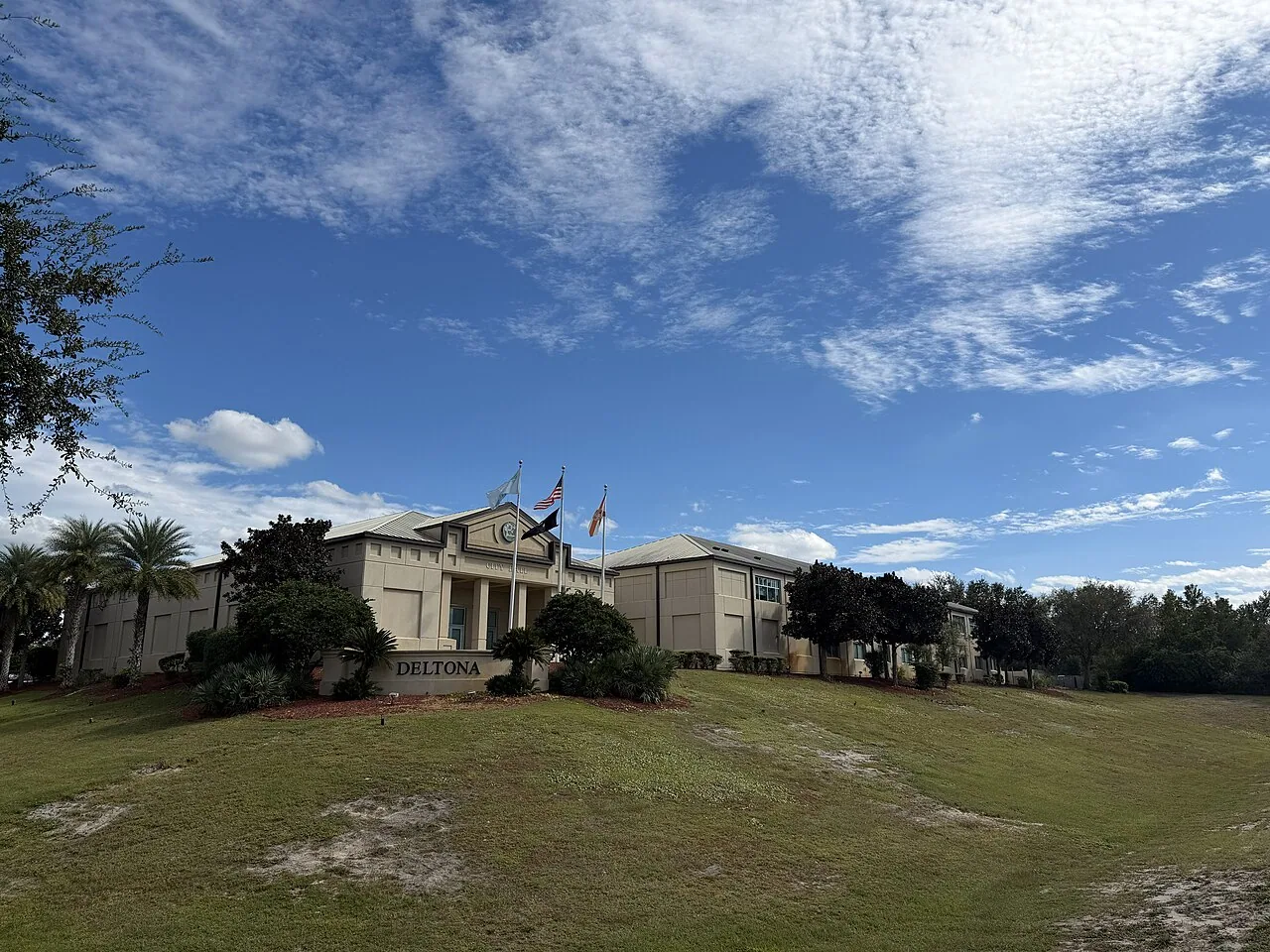
Commercial Roofers Deltona documents the roof before it quotes the work, so every scope starts from what is actually on the building.
Ready to Review Your Roof?
Tell us about the building, the roof and what you are seeing. We will outline the next practical step, whether that is an inspection, a repair scope or a replacement plan.