Roofing for Property Management Companies in Deltona, FL
Commercial roof repair, capital planning and occupied-building phasing for Deltona property managers, with scopes tied to the building and wet-season risk.
A leak reported at one property can consume a manager's day while the next rain puts a second roof at risk. The first decision is not which contractor gets the work order. It is whether water is active, what space sits below it, and which roof condition needs attention before the next storm. We map the failure point, identify the building and interior exposure, then separate an urgent repair from items that belong in a reserve plan.
Deltona's mostly residential, largely built-out pattern leaves commercial buildings serving neighborhood needs, including retail, medical offices, schools and flex uses. A manager may be balancing different roof assemblies and operating schedules across a portfolio. We give each inspected roof its own record, with photos, observed moisture, repair limits and the next decision date, so a note from one property is not mistaken for a condition at another.
Work Orders: Turn a Leak Report Into a Roof Zone
A ceiling stain is a starting point, not a roof location. Water can move along a deck joint or insulation seam before it appears in a unit, corridor or tenant suite. We compare the report with drains, curbs, seams and roof slope, then use moisture scanning or selective cuts when the result will change the repair boundary. The manager receives a marked plan showing what is wet, what remains unconfirmed and which interior areas need protection while the crew works.
That distinction keeps a small failure from becoming a blanket replacement request and prevents a low bid from hiding a scope gap. A roof inspection record can be compared with earlier work orders and later bids. For an active opening, a leak repair scope should name the failed detail, nearby conditions and temporary protection rather than stopping at a line that says patch membrane.
We can classify findings by urgency: water entering now, a detail likely to fail during repeated rain, a maintenance item, and a sound area that needs no immediate work. The property manager then has a defensible sequence for access, tenant notice and approvals. If the evidence does not yet support a capital decision, we state which test or follow-up inspection would settle it.
Portfolio Records: Compare Buildings Without Blurring Them
Every roof needs its own assembly history, repair map and access notes. Two buildings with similar footprints may have different membranes, insulation, drainage or layers from earlier work. We record what is observed and avoid carrying a material assumption from one address to another. Condition, repair, warranty and maintenance details for each building go into one roof asset record, which the manager can open when preparing a budget or answering an owner's question.
Retail, medical-office and flex uses give the Howland Boulevard and Deltona Village corridor its planned mix. Those uses bring different hours, deliveries and tenant requirements, which shape access planning but do not tell us what any roof contains. A Howland Boulevard service-area plan can help orient a crew schedule; the scope still has to be built from the building inspected. A property owner or REIT may need a portfolio view, while a general contractor may need task boundaries for a specific project.
When repair, recover and replacement are all possible, we separate their quantities and assumptions. Repair can suit an isolated failure with sound surrounding membrane. A recover may be considered when the existing assembly is dry and eligible. If moisture is broad or the deck needs work, removal can expose the condition for correction. The comparison should include drains, curbs, edge metal, insulation, disposal and temporary dry-in, not just the new field membrane.
Reserve Planning: Put Cost of Waiting Beside the Repair
Deferred roof work has an exposure that changes with each storm. Water can damage insulation and interior finishes, interrupt a tenant, or force a temporary closure that was not in the annual plan. We identify the area affected and what remains at risk if work moves to a later quarter. The manager then holds a date to revisit the decision and a stated reason for keeping the item open, rather than an undated note carried through another budget cycle.
The year's 51 to 53 inches of Deltona rain arrive mostly from June through September. Repeated downpours can find the same seam, curb or blocked outlet again. We inspect primary drains and overflow paths, then list drainage corrections apart from membrane work where that distinction changes the scope. The capital plan ranks roof sections, with repair-first sections ahead of those that can stay in a monitored reserve line.
Charley crossed Deltona in 2004, and Frances and Jeanne reached the city later that season. Before hurricane season, we review roof edges, penetrations and equipment attachment that could admit water or wind. That record argues for a review date before June. Our written report distinguishes conditions found from work still to be considered, which lets a manager communicate accurately with tenants and ownership.
Bid Review: Make Scope and Access Comparable
Proposals should use the same roof map and identify quantities, removal limits, insulation assumptions, flashing, edge metal, drains and temporary protection. We list exclusions and allowances plainly so a low first number does not conceal work that appears after tear-off. The manager can compare material, schedule, occupied-building controls and closeout documentation on the same basis. If a bidder recommends replacement, the report should explain what condition makes repair insufficient.
State Road 472 meets the northwestern edge of Deltona at Howland Boulevard near I-4. That access context can help a manager coordinate delivery and arrival windows, while each property's driveway, gate and staging limits still need confirmation. A multi-property roofing program can align inspection dates and reporting formats. Identical reporting does not mean identical work; each repair scope stays tied to its roof and its occupants.
An urgent leak gets a crew at any hour, weekends and holidays included, with the first goal of limiting interior exposure and leaving a safe temporary condition. Permanent work follows when conditions allow a proper assessment. Planned maintenance can then check seams, drains and past repair areas before the next wet season. The manager keeps control of timing with a record that states what is complete, what remains deferred and when the next decision belongs.
Commercial Roofing Questions
How should a manager prioritize roof calls from several properties?
Rank active water entry and immediate interior exposure first, then compare the size of the wet area, tenant impact and likelihood of repeat failure. We inspect each roof separately and record the next action and decision date. That keeps a portfolio list useful without assuming the same repair fits every building.
What should an owner receive after a commercial roof inspection?
A marked roof plan, photos, moisture findings, repair limits and a list of unresolved questions give the manager something to budget from. We distinguish observed defects from assumptions, then identify whether a test, repair or replacement comparison will change the decision. The file should also note access and occupants affected.
Can a property manager defer a roof repair until the next budget?
The report should state what can happen while the defect remains open, which interior area is exposed and what temporary protection is in place. We give the manager a condition-based decision date and separate urgent work from a reserve item. A date without the remaining exposure does not help ownership weigh the delay.
How does Deltona weather affect portfolio maintenance timing?
Most of Deltona's annual rain falls from June through September, so drainage and open flashing deserve attention before that window. Charley crossed the city, making a pre-season perimeter review useful. The findings still need to come from each building's current roof, not from the storm history alone.
Call with the work order, roof plan or active leak. We will map the condition, separate urgent repair from reserve work and give property staff a scope they can compare across buildings.
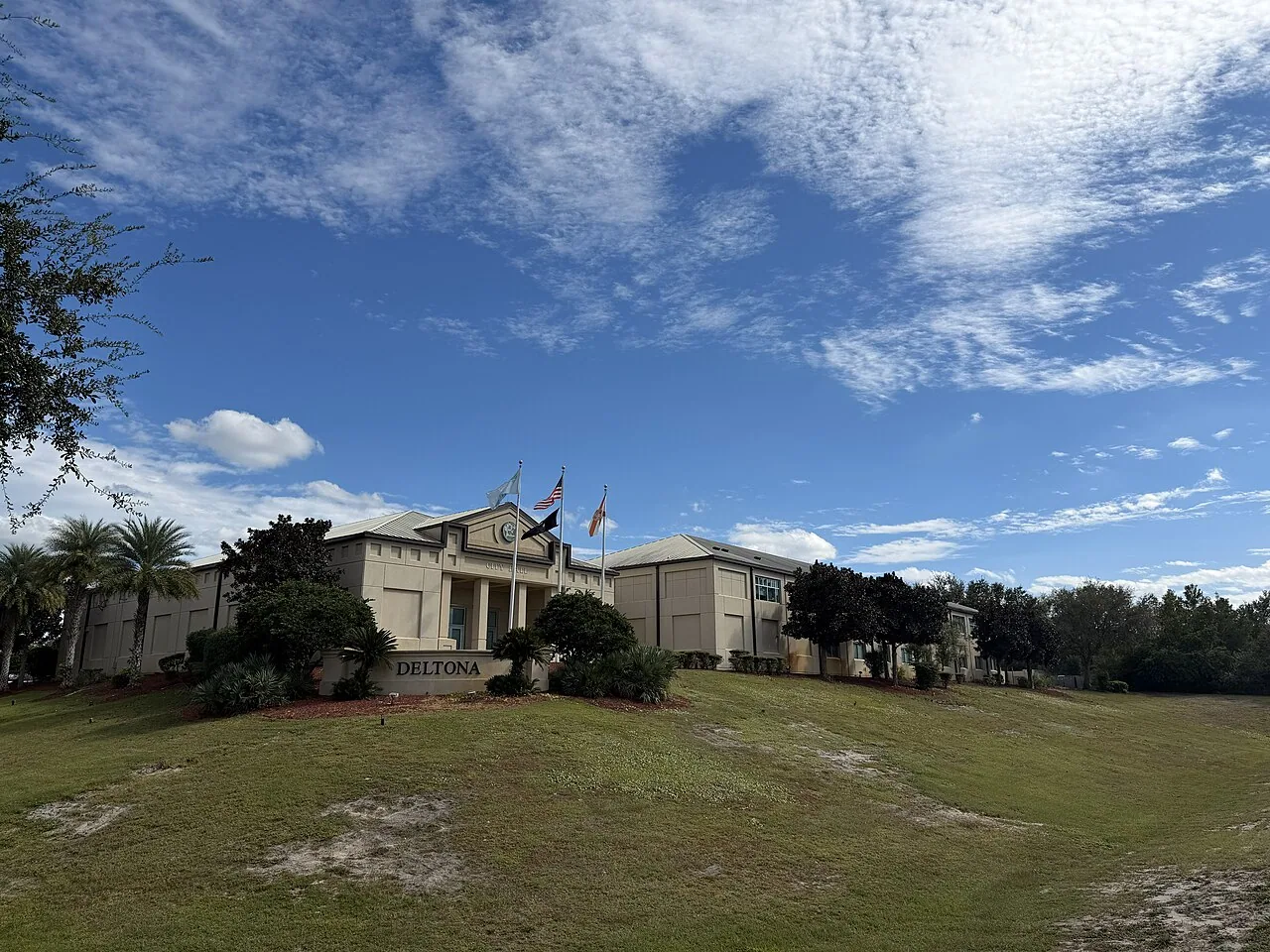
Commercial Roofers Deltona documents the roof before it quotes the work, so every scope starts from what is actually on the building.
Ready to Review Your Roof?
Tell us about the building, the roof and what you are seeing. We will outline the next practical step, whether that is an inspection, a repair scope or a replacement plan.