
Commercial Roofing in Daytona Beach, FL
Roof repair and replacement planning in Daytona Beach, with storm inspection, drainage review and clear scopes for occupied commercial properties.
A split coping cap or a slow drain can sit on a Daytona Beach roof for a season, through the 51.25 inches of rain the city averages a year. On site, we trace water reports to seams, penetrations, perimeter metal and drains, then set a repair boundary from the observed assembly. Separate properties in Port Orange or Deltona I-4 corridor receive their own inspection notes and quantities.
Storm walk: Record the perimeter and openings
After a storm, review edges, corners, metal transitions, seams, rooftop supports and penetrations before deciding that a roof needs full replacement. A displaced coping cap or split flashing can allow water into insulation, while loose debris may hide a puncture. We photograph each condition and mark its location against the roof plan. Daytona Beach's storm history supports a timely inspection, but current damage must be identified at the property. A commercial roof inspection records what is visible, where moisture may be present and which areas need testing. If rain is actively entering, our emergency response is available around the clock to discuss interim protection while the permanent scope is assessed. The owner should know what temporary cover protects, what remains exposed and what return visit is needed. That distinction keeps a storm call from turning into an undefined repair allowance. When filing a property record, keep photos of the same edge or curb before and after temporary protection, and note the date and observed condition. We can distinguish visible wind damage from pre-existing wear and list what remains to be tested. That detail helps the owner prioritize a repair without assuming every surface mark came from the storm. If contents or occupied rooms are affected, record what needs relocation and where interior protection ends. A claim file should match the roof scope to actual findings and show any deferred condition separately.
Drainage: Follow the water to its outlet
Daytona Beach receives most of its annual rain during June through September. For a commercial roof, the practical question is whether drains, scuppers and overflow paths move water away from the membrane without leaving a low area under repeated ponding. We inspect the outlet and surrounding flashing, then check seams or penetrations along the route water could travel. A drainage correction may need to accompany membrane repair; clearing an outlet alone will not close an open lap. A drainage review can define cleaning, repair or replacement separately from the field membrane. If interior staining appears below a mechanical area, check condensate and plumbing before cutting the roof. The inspection notes should tie the reported room to the roof area above it and show any concealed condition that remains unconfirmed. That gives the manager a practical work list before the next heavy rain tests the same path. If water remains after the outlet clears, check whether slope, a depressed area or an undersized connection contributes to the delay. Do not price a new drain as the answer until the existing path is reviewed from roof surface to discharge. We can show a drain correction and membrane repair as separate work items, then note if one must precede the other. During the wet months, the owner may choose an interim measure while permanent changes are designed, but the proposal should define its coverage and recheck timing. That keeps temporary protection from being mistaken for a completed drainage correction.
Repair or replacement: Use the same roof map
A localized repair can fit when the opening is isolated and the surrounding assembly is stable. If moisture has spread into insulation or the deck, show the removal boundary and how added work is approved. Repeated seam failure, widespread wet areas or weak attachment can make replacement worth comparing. Separate tear-off, insulation, cover board, flashing, drainage, edge metal, disposal and interior protection in the estimate. A recover or coating may be considered only after layer count, moisture, attachment, adhesion, drainage and code requirements are checked. Daytona Beach's health and education employers can mean a building has scheduled public or staff activity, so the work window should be confirmed with the facility contact before a crew is mobilized. A phased reroof plan can state which zone closes each day, how occupants are protected and which equipment handoff needs another trade. Timing can change the cost when testing, demolition or equipment coordination requires separate visits. We show mobilization assumptions, the order of trades and the point at which concealed conditions are reviewed. If a facility cannot release the whole roof at once, identify which sections can be completed without leaving an exposed edge between phases. The manager can then compare a staged project with one mobilization and weigh operational access alongside material quantities. Waiting may be reasonable for a stable area, but keep the next review date and remaining exposure in the reserve record.
Bid review: Keep storm evidence separate from assumptions
Compare proposals using one marked roof plan and the same quantities. Check testing, removal limits, wet insulation, deck allowances, flashing, drains, perimeter details, temporary protection and closeout photographs. If one bidder includes a larger area after moisture testing and another prices only a visible patch, the totals do not answer the same question. Keep each assumption visible, then choose the next inspection or repair step. For a single-ply system, a TPO review should identify seam condition and compatible flashing details. A photo condition report can show completed work, remaining defects and a decision date for deferred items. Owners with health services or classrooms need the daily access plan recorded alongside the roof quantities, so maintenance staff know which rooms or routes need notice. The citywide storm history is a reason to maintain that record; the building's actual condition determines the scope. If a proposal includes an allowance, state its unit, trigger and approval path. A broad contingency without a field measure makes bid comparison difficult, especially when one scope includes storm-related removal and another does not. The owner should be able to tie each added quantity to a photo, test result or opened roof area before approving it. That gives the project a defensible stop point if the actual assembly is drier or more damaged than expected.
For hotels and retail buildings, confirm whether work can use a roof hatch, lift or escorted ladder before setting production hours. Public foot traffic can affect staging, so the schedule should identify material drop points, pedestrian controls and daily cleanup. A closeout walk records repaired details and any item deferred for a later capital cycle.
Commercial Roofing Questions
What should Daytona Beach owners inspect after a hurricane?
Review perimeter metal, seams, curbs, penetrations, drains and any interior leak reports. Donna and Charley caused severe damage in the city, but each roof still needs a current inspection to identify its own open details and moisture conditions.
Does the annual rainfall total mean my roof needs replacement?
No. The rain pattern makes drainage and seam condition important to review, but replacement depends on the assembly, moisture, attachment and repair history. We document those findings and compare a defined repair with a capital option when both merit review.
Can drainage work be priced separately from a leak repair?
Yes. We can identify outlet cleaning or correction as a separate line while showing how it relates to the membrane failure. If both issues contribute to the leak, the proposal should state which work closes each part of the water path.
How can roof work proceed at an occupied property?
The manager confirms access, work hours, notices and interior protection. We can phase the roof by zone with a daily closure point and record any equipment or other-trade handoff before work begins.
Share the Daytona Beach building location, leak or storm concern and any operating limits. We will inspect the roof and document the repair and capital options.
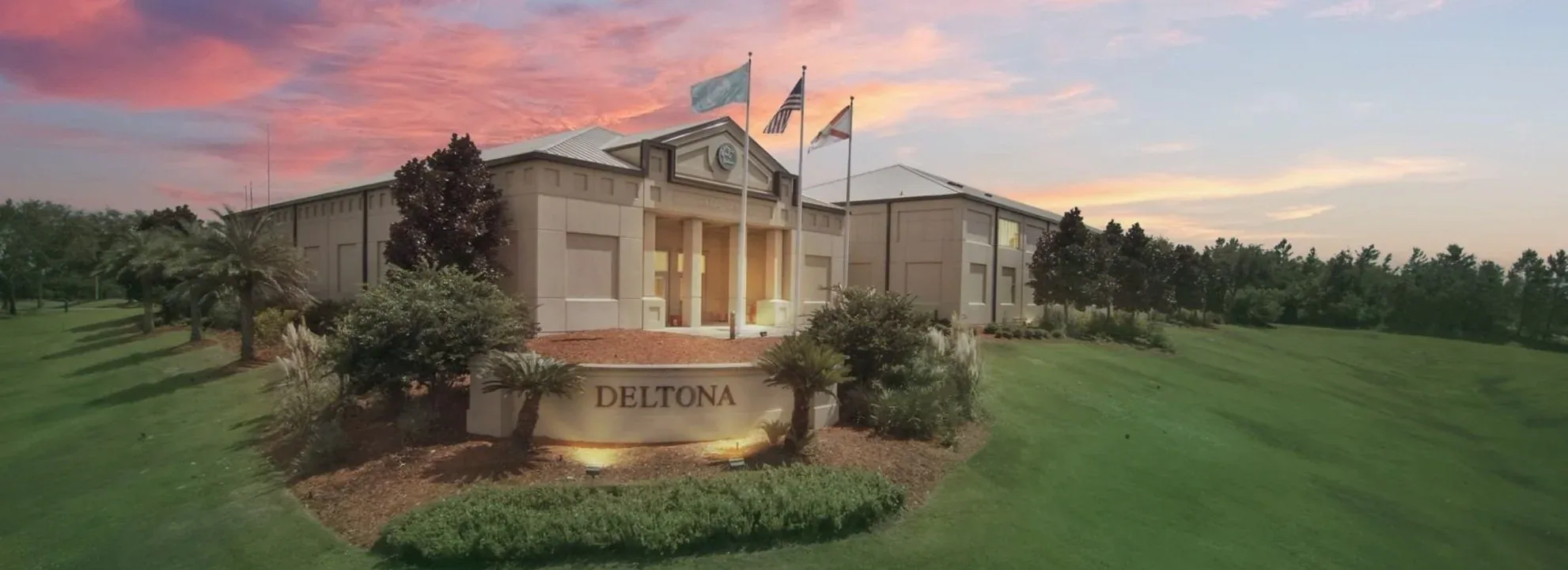
Commercial Roofers Deltona documents the roof before it quotes the work, so every scope starts from what is actually on the building.
Ready to Review Your Roof?
Tell us about the building, the roof and what you are seeing. We will outline the next practical step, whether that is an inspection, a repair scope or a replacement plan.