
Roofing for Logistics and 3PL Operators in Deltona, FL
Warehouse roof repair, drainage and replacement planning in Deltona, scoped for dock activity, inventory protection and wet-season storms.
A leak over a pick path or staging lane can put cartons at risk before the next trailer leaves the dock. In a logistics building, water exposure affects inventory, labor routes and dispatch timing at once. We trace the opening, mark the affected roof area and identify what needs protection while the repair is made. The decision should start with the actual wet boundary, not with a roof-wide replacement assumption or a temporary bucket left in a traffic lane.
Deltona sits along I-4 at the western edge of the city, with State Road 472 meeting Howland Boulevard near the northwestern limit and State Road 415 along the southeast. Those corridors matter to crew arrival and material staging, while the building's own dock rules and gate access control the work. We plan the roofing scope around the operations that cannot stop and the area that can be made safe.
Inventory Exposure: Map the Water Above the Dock
Water may enter at a seam, curb, skylight or drain and travel across the deck before reaching the storage floor. We compare the reported location with roof slopes, insulation transitions and drainage, then use infrared scanning or selective testing when it changes the repair limits. The roof plan should show which rack, pick path or staging area sits below a wet zone, so the operations lead can relocate inventory before removal begins.
Warehouse roofs often have long membrane runs, rooftop units, exhausts and equipment supports that are revisited by service trades. A curb or penetration can become the failure point after equipment work, while a slow drain keeps the adjacent seam exposed. We photograph each condition, distinguish active leaks from deferred maintenance and state what is included in the repair. A roof inspection map gives the facilities team a common record; a drainage scope can be added when ponding is part of the route water takes.
For an active leak, our response is available day and night, including holidays. We first limit interior exposure and set a temporary condition, then return for permanent work once the assembly can be assessed safely. The operations team should identify protected inventory, dock access and any aisle that cannot be blocked during a shift.
Dispatch Window: Sequence Access and Dry-In
Roof work can use a staging bay, but a lift, crane or material drop may conflict with trailer circulation. We confirm the approved entrance, dock schedule, pedestrian routes and any escort requirement before mobilizing. The work plan divides the roof into sections the crew can close safely by the end of the shift. If rain advances, the crew can secure a smaller area instead of leaving a broad opening above stored goods.
Deltona Village was planned with flex space for light industrial use as well as retail and medical-office uses. State Road 472 reaches Howland Boulevard near I-4, and that corridor can help orient access planning without assuming a particular distribution property or operating tenant. A Deltona I-4 corridor route helps frame local arrival; the facility manager confirms its own gate, dock rules and staging limits. A manufacturing operator may share equipment and shift constraints, while a property manager may coordinate several occupied buildings.
Repair, recover and replacement should be compared using the same roof map. We list removal limits, wet insulation, deck allowances, drains, curbs, edge metal and temporary protection. Recover may fit a dry and eligible assembly. Repeated failures or widespread moisture can support removal. The proposal should show where work can proceed while dispatch continues and which brief closure or equipment interruption must be approved ahead of time.
Rain Route: Correct the Outlet With the Membrane
Deltona collects 51 to 53 inches of rain a year, nearly all of it between June and September. A storm can load a low roof and keep an open lap or blocked drain under water again before the previous leak is dry. We inspect drain bowls, overflow paths, scuppers and the surrounding membrane, then separate outlet correction from field repair when both are needed. That gives the operator a full water-path scope rather than a patch that leaves the source of ponding in place.
Delay can turn one affected staging area into a larger inventory relocation or force staff to reroute equipment. We record what remains exposed, what temporary protection can hold and when permanent work can begin. A photo condition report links roof findings to the interior zone and helps operations compare bids without repeating the initial investigation. When water enters between planned shifts, emergency response cuts the exposure while the permanent scope is priced.
Charley crossed Deltona in 2004 with Frances and Jeanne close behind. A pre-season review of roof edges, corners and equipment supports gives the owner time to fix loose or open details before the next forecast.
Contract Scope: Keep Roofing Quantities Visible
Logistics proposals can hide major assumptions in access or phasing notes. We make the roof area, material, insulation, flashing, drainage, disposal and dry-in limits visible, with any equipment protection stated separately. The bid should identify who moves stored goods, who controls a dock closure and who approves a change if removal exposes a damaged deck. That lets the operations lead compare the roof work with the labor and dispatch impact.
Volusia County has several I-4 and I-95 interchanges, and US 17, US 92, SR 44, SR 40 and SR 46 carry commercial traffic across the county. Those routes help describe the regional logistics setting, but the actual site entrance and shipment schedule still determine mobilization. We can create a multi-site roof program for consistent inspection records while keeping each building's repair limits distinct. A replacement comparison should carry the same level of detail as a repair scope.
Closeout records list the repaired zones, materials installed, remaining defects and next maintenance date. That record can be shared with facility and operations staff so later equipment work does not reopen a finished detail, and so a dock or racking change near a repaired curb is planned with the roof in mind. If a roof decision is deferred, the owner should know what exposure remains and which section returns to the schedule first.
Commercial Roofing Questions
Can a distribution building stay active during roof repairs?
Often crews can work in separate roof zones while dispatch continues, provided access, dock movement and interior protection are agreed in advance. We identify lift positions, material staging and any aisle or bay that needs temporary control, then close each exposed section at the end of the shift.
What belongs in a logistics roof inspection report?
Include a roof map, photos, moisture locations, drains, penetrations, repair history and any interior areas below wet sections. We separate active failures from deferred conditions and note what needs testing. The operations lead can then decide whether inventory or a pick path must move during repair.
How should an operator compare a roof recover with replacement?
Check the number and condition of existing layers, insulation moisture, deck integrity and drainage. A recover needs a suitable assembly; broad wet areas or deck repairs may support removal. We list quantities, equipment interfaces, temporary dry-in and phasing so the choice is not reduced to membrane price.
When should Deltona logistics sites prepare for heavy rain?
Review drains, seams, curbs and edges before the June-through-September wet period. Charley crossed Deltona, making pre-season review sensible, but the work list should reflect conditions found at the building. Set a decision date for any open detail that cannot be repaired immediately.
Call with the leak zone, dock schedule or roof plan. We will trace the opening, coordinate access and put drainage, repair and replacement quantities in a scope your operations team can act on.
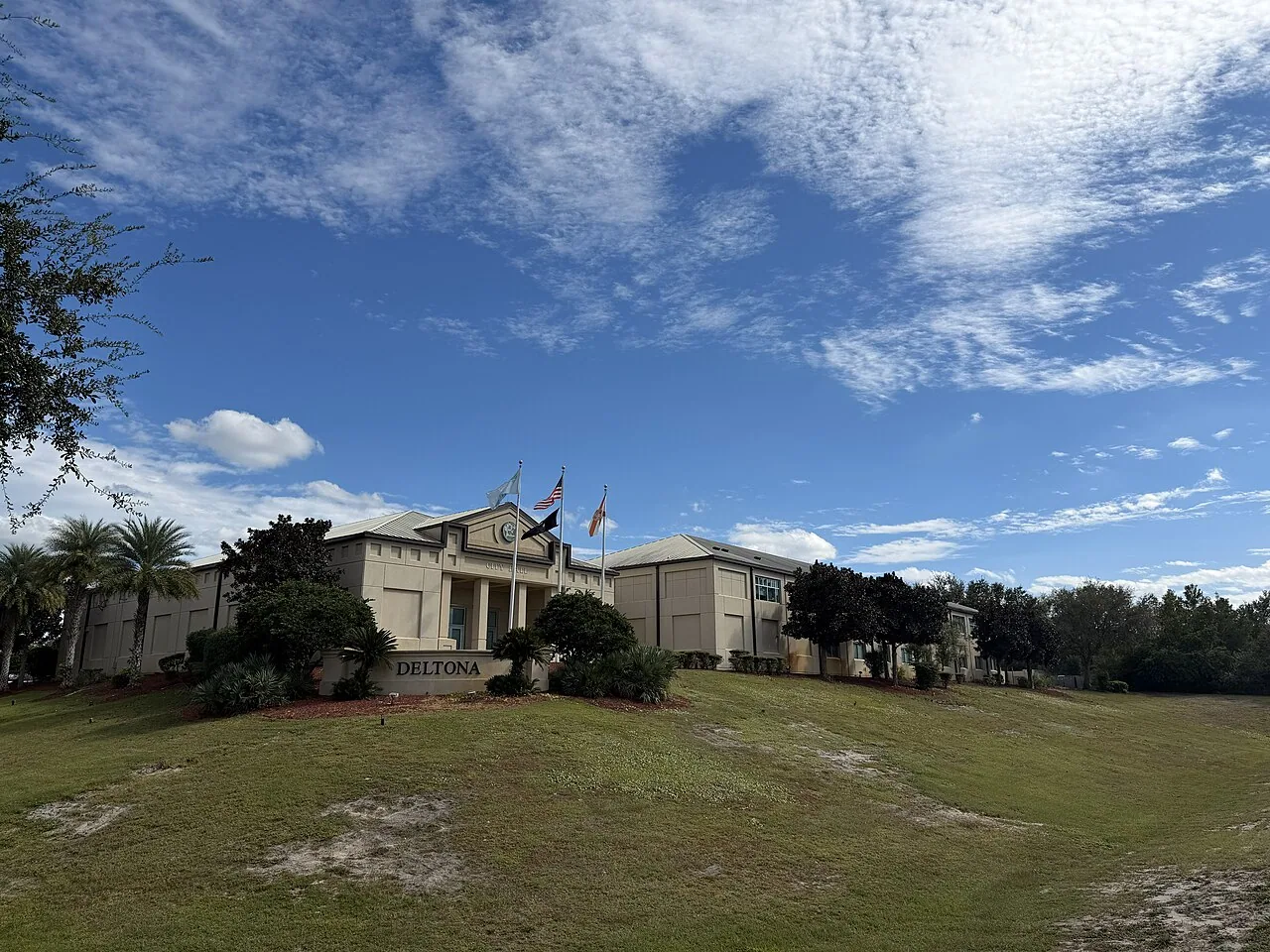
Commercial Roofers Deltona documents the roof before it quotes the work, so every scope starts from what is actually on the building.
Ready to Review Your Roof?
Tell us about the building, the roof and what you are seeing. We will outline the next practical step, whether that is an inspection, a repair scope or a replacement plan.