
Data Center Roofing in Deltona, FL
Commercial data-center roof repair and replacement in Deltona, FL. We assess penetrations, drainage, moisture, access, and protection sequencing.
Water above a data room can threaten continuity before it ever reaches a visible ceiling. The roof may have penetrations, equipment supports, drains, and service routes that complicate a repair. We start by locating the opening and mapping its path through the assembly, then identify what needs immediate protection and what calls for permanent work. The proposal must distinguish roofing from electrical, mechanical, and operational responsibilities so a facility lead can approve a safe sequence.
Deltona's designated land uses include light industrial and warehousing, and the city sits near Interstate 4 and State Road 472 at Howland Boulevard. Any server room or telecom space in an industrial or flex building here depends on the roof above it staying dry. The assembly and continuity requirements determine the work plan.
Penetrations: Treat Each One as a Roof Transition
A conduit support, pipe, curb, or cable route can interrupt the membrane and insulation layers. Water may enter at the flashing and move below the surface before it shows near sensitive equipment. We inspect the penetration, adjoining seams, roof slope, and drainage path. A roof inspection records the visible assembly and condition; a moisture survey can help define wet areas when surface evidence is not enough.
We do not assume a roof opening is the only issue. A blocked drain can hold water against a weak seam, and a service path can damage the membrane if foot traffic concentrates around equipment. The site lead can identify restricted areas and equipment that cannot be exposed. We map that information alongside roof observations, then mark whether temporary protection, a localized repair, or a broader scope is needed.
Hurricane Charley passed over Deltona in 2004. The storm also produced strong gusts in Longwood and Altamonte Springs. Edge metal and attachment are the first things inspected after wind of that strength. A loose perimeter detail can let water beneath the roof even when equipment penetrations are sound.
Continuity: Set the Protection Boundary First
The roof plan must identify what remains protected while a repair is underway. We coordinate the work zone with the facility contact, separate roof access from restricted areas, and agree on a close-in point for each shift. If the facility requires a shutdown window or escort, that becomes part of the sequence before material is staged. We identify who can authorize an expanded opening if hidden wet insulation or damaged deck appears.
For many buildings, the decision is not simply repair or replacement. A contained flashing failure may be repairable; repeated leaks, widespread moisture, or compromised attachment can make replacement more practical. Recovery may be possible if the existing layers and drainage allow it. Before an overlay enters the bid comparison, a recover evaluation tests the existing layers, deck and drainage against those constraints.
Florida's 2023 code can pull a whole roof under current requirements once a year's repairs, replacement or recovery pass a quarter of its area, unless it dates to 2007 or later. We raise this threshold while alternatives are still open. Capital planning can then compare phased repair with a larger project using the same condition boundaries.
Assembly Choice: Match the Roof to the Facility
The choice of membrane depends on the deck, slope, existing layers, drainage, attachment, and detail design. PVC roofing and TPO roofing use heat-welded seams; EPDM roofing uses a different seam approach. No material replaces careful flashing at curbs or a workable drain path. We explain how the chosen assembly handles each penetration and what maintenance access remains after the project.
If rooftop equipment needs service, the roof scope should show the interface between membrane work and mechanical work. Curb and support details join the scope when the condition assessment reaches them. We identify whether roof-mounted equipment can remain in place, where protection is required, and whether another trade must disconnect or move a component. Those boundaries reduce the chance that a roof repair leaves an unresolved flashing detail.
Deltona's average July daily high is about 92 F, and most rain falls between June and September. Heat and downpours make open transitions a schedule concern. We plan a close-in sequence suitable for the selected materials and current conditions, rather than assuming a large exposed area can stay open for a full shift.
Logistics: Coordinate Routes, Access and Timing
The Deltona I-4 corridor follows the city's western side, while State Road 472 ends near Howland Boulevard. A facility's actual access, staging, and security rules are property-specific. Before mobilization, we confirm roof access, delivery windows, the place to stage material, and any route that must stay clear. A site contact can identify where crews may work and who receives a schedule change.
When a facility stays operational, occupied-building roofing helps structure notice, protection, and phased work. We set the boundary for dust, debris, and overhead activity with the owner and facility contact. If emergency protection is needed, we separate that immediate step from the permanent roof design so a temporary repair does not become an undefined long-term assembly.
Deltona Village on Howland Boulevard was planned with medical office and flex uses, and buildings with different tenants carry different operational plans. We build the schedule from the site's own access and continuity requirements.
Bid Review: Compare the Assumptions Behind Each Scope
Two proposals can name the same membrane and still differ on tear-off, insulation, drainage, curb flashing, edge attachment, and how concealed moisture is handled. We show those items by area and state what is included, excluded, or subject to field confirmation. If the facility needs a restricted work window, the bid should explain how that affects staging and close-in rather than burying it in a general note.
A roof condition record can help operations and ownership compare findings against the proposed work. For broader industrial properties, plant roof planning or warehouse roof review may show how different equipment and access patterns change the sequence. The roof recommendation still follows the actual deck, membrane, moisture, and perimeter condition.
Book the visit before the next heavy rain or hurricane season. It traces the entry point, maps the work boundary, and explains the decision date for repair, recovery, or replacement. That gives the owner a roof scope that can be coordinated with facility operations.
Commercial Roofing Questions
How do you limit roof work over sensitive equipment?
We begin with the facility's restricted zones, then map roof access and the area below each planned opening. The sequence identifies protection, close-in timing, and who can approve a change if concealed damage appears. Operational restrictions are part of the scope, not a field detail to resolve after materials are on the roof.
Can you identify moisture without opening the entire roof?
A moisture survey can help show where wet insulation may extend beyond visible signs. We combine that information with roof observations and interior reports, then define the area that needs confirmation. The resulting boundary supports a focused repair or a larger removal plan without treating every portion of the roof as equally damaged.
What if a leak appears near a rooftop cable or conduit?
We inspect the flashing and membrane transition, then trace whether water or moisture extends into nearby insulation. Separate electrical or data work is coordinated with the facility's authorized personnel. The roofing scope should state what flashing repair is included and where another trade takes responsibility.
When should a data facility consider full replacement?
Widespread wet insulation, repeated leaks, weak attachment, or code implications can move the decision beyond a local repair. We document those conditions and compare the roof's remaining serviceability with recovery and replacement options. A continuity plan and the applicable code work threshold belong in that comparison.
What information belongs in a data-center roofing bid?
The bid should identify work zones, membrane and attachment details, penetrations, drainage, temporary protection, access requirements, and concealed-condition procedures. It should also make the division between roofing and other trades explicit. That gives the facility lead a sequence to review, not just a material name and a total.
Call to review the entry point, roof assembly, access restrictions, and protection sequence. We will separate urgent protection from permanent roof work.
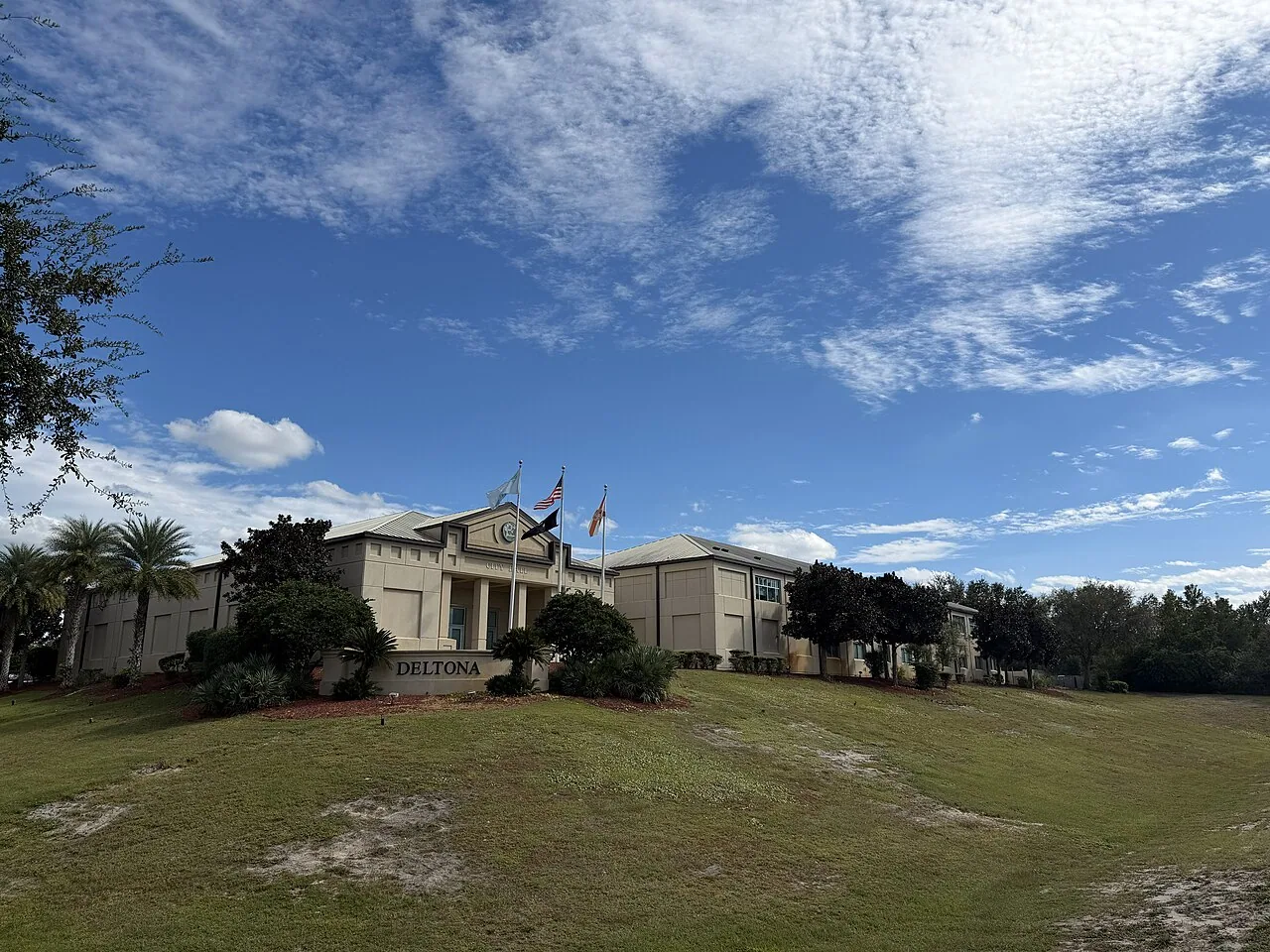
Commercial Roofers Deltona documents the roof before it quotes the work, so every scope starts from what is actually on the building.
Ready to Review Your Roof?
Tell us about the building, the roof and what you are seeing. We will outline the next practical step, whether that is an inspection, a repair scope or a replacement plan.