
Distribution Center Roofing in Deltona, FL
Roof repair, replacement, and maintenance for Deltona, FL distribution centers. We assess loading areas, seams, drainage, access, and operating needs.
A leak over a staging lane is not just a wet ceiling. It can interrupt a handoff, damage cartons waiting for the next move, or put a powered conveyor under a drip. Distribution buildings also have long roof runs, frequent rooftop penetrations, and loading operations that make access planning part of the repair. In Deltona, hot months and repeated summer rain put seam and drainage problems under pressure. Our first visit traces the water path and marks the affected area, which tells you whether a local repair will hold or the assembly itself needs a decision.
Light-industrial flex space was planned at Deltona Village alongside retail and medical office on Howland Boulevard. Zoning for warehousing and distribution sits alongside that retail and flex space, and loading activity there leaves little room for a roof crew to improvise. We inspect the roof in front of us, coordinate access with the operation, and set a decision date before the wet season makes a small opening harder to contain.
Failure Point: Trace the Leak Across the Operating Floor
Water may enter at a seam, curb, roof drain, wall transition, or perimeter edge, then travel before it appears inside. On a large deck, a drip may appear well away from the opening. We compare it with seams, penetrations, drains, and prior repairs. A moisture survey can help identify wet insulation beyond the surface clue; it does not replace checking the roof details that admitted water.
Conveyors, dock doors, charging areas, and stacked goods shape where we can inspect and stage work. Before opening a roof area, we identify the floor zone below, whether inventory can move, and who can approve a temporary restriction. If the entry point is a displaced edge or fastener after severe weather, our wind damage service records the affected assembly and separates storm-related work from older maintenance issues.
Charley crossed Deltona in 2004. Gusts from that storm were also recorded in Longwood and Altamonte Springs, a reminder that inland roofs see strong wind. Perimeter attachment and metal transitions are worth checking after a storm, especially where a loose edge can expose a long membrane run.
Roof Decision: Choose a Scope That Fits the Building
A contained puncture or flashing failure may call for repair when surrounding membrane and insulation remain serviceable. Repeated seam separation, broad moisture, or weak attachment changes the calculation. A recovery system can avoid removing a sound existing roof, but only if layers, drainage, deck condition, and code requirements allow it. We explain those conditions in the recover assessment before pricing a new layer.
Replacement can address widespread deterioration and create a cleaner path for correcting drainage or perimeter details. It also means tear-off, temporary exposure, debris movement, and a sequence that must fit loading and outbound schedules. We can divide work into zones and identify when each area is protected and closed. Your operations contact can lay the roof schedule beside delivery peaks and learn about each restriction before materials arrive.
Florida's 2023 code adds every repair, replacement and recover done in a 12-month window into one 25 percent total, and a roof that predates the 2007 code may have to meet current code as a whole once the total is passed. We flag that before the scope is fixed, so piecemeal pricing does not walk past it. A property that pairs storage with another operating use may also need warehouse roof planning or plant roof options.
Rooftop Traffic: Match the Membrane to It
Distribution roofs carry equipment, service paths, exhaust, and penetrations that need durable flashing and clear maintenance access. The right membrane depends on the existing deck, drainage, attachment, and the way equipment is supported. TPO roofing is a heat-welded option, while EPDM roofing uses different seam and flashing details.
Equipment curbs need to shed water and allow service without leaving repeated damage around the base. We inspect the flashing, support, and nearby membrane where technicians travel.
Sequence: Keep Loading and Roof Work in Step
Before the crew mobilizes, we need to know where trucks queue, which doors must stay clear, and how the facility handles deliveries during a roof project. We set material staging away from turning paths and establish roof access that does not cross active work zones. If a section must be opened, we plan the close-in point for the weather window and avoid leaving more surface exposed than can be protected.
Howland Boulevard connects to State Road 472 near Deltona's northwestern edge, while I-4 runs along the city's west side. Mobilization depends on the property's gate rules, roof access, equipment needs, and the operating calendar. We can coordinate the work plan with facility staff and note where a schedule change affects the roof area available that day.
Summer rain is concentrated from June through September in Deltona, and the average July high reaches about 92 F. That combination makes moisture control and a realistic daily close-out important. Our occupied-building roofing plan sets the communication and protection steps for work over active operations. The owner gets a scope with work areas, exclusions, and a clear decision about what must happen before the next heavy rain.
Bid Review: Compare What Each Proposal Includes
One proposal may include tear-off and new edge metal while another prices a recover and leaves deck repairs as an allowance. Those totals are not comparable until assumptions are visible. We lay out the system, preparation, insulation, drainage, edge securement, disposal, and temporary protection, then state how concealed damage would be handled.
Ask whether the bid marks roof areas by phase, states the working limits around rooftop equipment, and explains how the facility can operate during each phase. For work along the Howland Boulevard commercial area, the recommendation still comes from the individual roof.
Waiting can turn a small leak into wet insulation, damaged finishes, and repeated operational interruptions. Schedule a walk before the next heavy rain or hurricane season. The crew maps the failure, explains the roof options, and helps you set the decision date around the facility's actual work calendar.
Commercial Roofing Questions
Can roof repairs be phased around outbound loads?
Yes, the work can be divided when roof conditions and weather allow safe closure at each phase. We identify the active roof zone, the floor area below it, staging, and any door or lane that must remain clear. Your operations lead can flag high-volume periods before we set the sequence. If the roof needs a larger opening than one shift can close, we plan the temporary protection and the interior restriction in advance.
How do you find a leak that appears far from a dock?
Water can travel along a deck flute, framing, or insulation before it reaches an opening to the interior. We start with the reported location, then compare roof seams, penetrations, drains, and previous repairs along likely paths. Moisture testing can help map concealed wet areas. The repair follows the entry point and damaged material, not simply the spot where a drop reached the floor.
What makes a recovery system unsuitable?
Wet insulation, unstable attachment, poor drainage, excess existing layers, or code requirements can rule out recovery. We inspect those conditions before recommending an overlay. If the existing assembly is sound enough, recovery may reduce tear-off and operational disruption. If not, replacement gives a more complete way to remove damaged material and address the roof details that keep failing.
Will rooftop equipment delay the project?
Access and equipment coordination affect the sequence. We identify units, service paths, conduit, and curbs that intersect the repair area, then determine whether protection or trade coordination is needed. Equipment does not automatically require relocation. The proposal should state what roof flashing is included and identify separate mechanical work before the phase begins.
What should I compare in two distribution-center bids?
Start with the assembly and work limits. Compare tear-off versus recovery, insulation assumptions, edge securement, drainage, equipment flashing, disposal, and the plan for keeping loading activity clear. We can mark where proposals differ and explain which open conditions affect price or schedule. That lets you evaluate the scope on the owner's side of the table rather than choosing from totals alone.
Call before the next heavy rain to review leak paths, loading constraints, and the decision date. We will explain what can be repaired and what needs a broader roof scope.
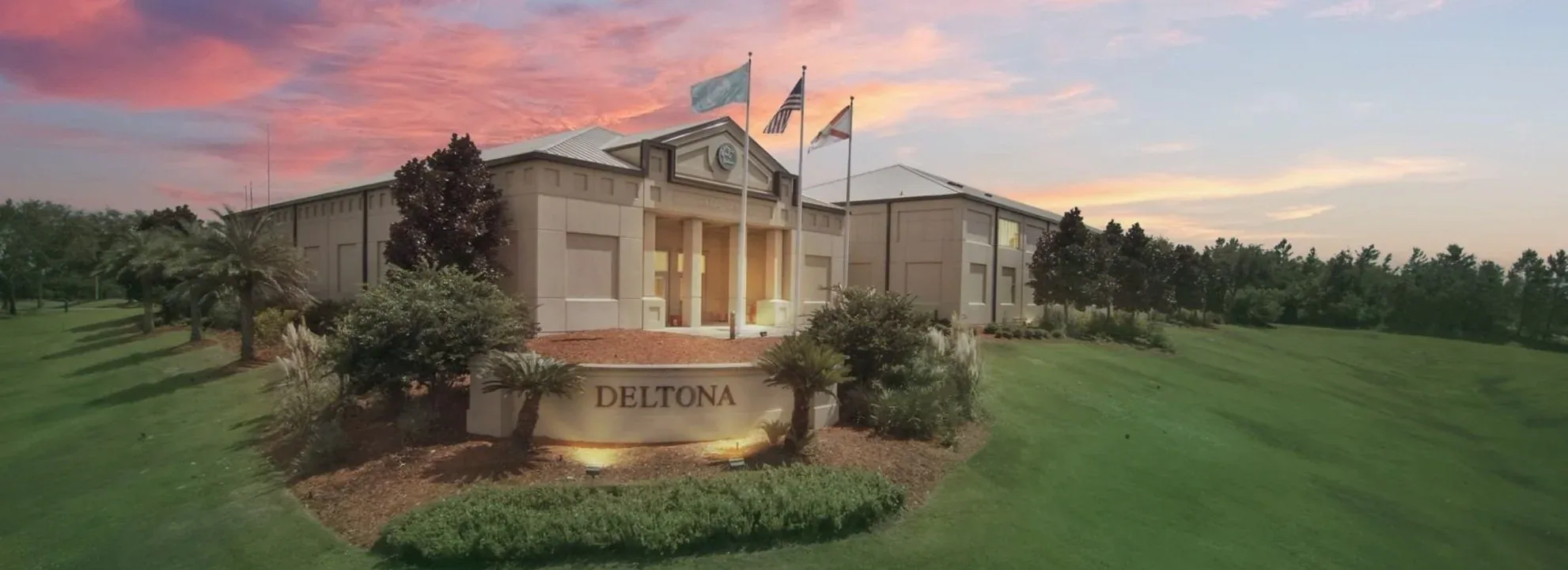
Commercial Roofers Deltona documents the roof before it quotes the work, so every scope starts from what is actually on the building.
Ready to Review Your Roof?
Tell us about the building, the roof and what you are seeing. We will outline the next practical step, whether that is an inspection, a repair scope or a replacement plan.