KEE Roofing in Deltona, FL
KEE roofing in Deltona, FL, with membrane condition, seams, attachment and wet insulation reviewed before a restoration or replacement scope is set.
A KEE membrane may still look serviceable while its flashing at a curb has pulled back enough to admit water. Once that moisture sits in insulation through Deltona's wet months, the question is no longer which membrane name appears on the invoice. It is whether the sheet, substrate and perimeter can support another season or need a defined repair. We trace the weak detail first and record what the owner can act on now.
Ketone ethylene ester is used in PVC-alloy roofing membranes, combining a flexible thermoplastic sheet with properties suited to demanding roof surfaces. The choice still depends on the building's use, chemical exposure, attachment and drainage. Our inspection documents those conditions and compares PVC and TPO assemblies where the owner needs a real bid comparison. The written scope connects the material choice to its seams, edges and flashings.
Alloy and Exposure: Start With the Roof's Actual Use
A KEE label does not answer whether a roof is suitable for every discharge or maintenance condition. We inspect exhaust points, walk paths, rooftop units and the surface immediately around them. Where a chemical or grease exposure matters, the scope should name its location and how the system manufacturer addresses it. One observed condition is priced where it was found, and the product choice does not remove the need for compatible detailing.
Deltona's neighborhood retail and medical uses often keep entrances and service routes active while the roof remains exposed to heat and rain. Near Howland Boulevard, rooftop access may overlap with deliveries and building operations, so we identify traffic protection and scheduling along with membrane repair. If the affected area is isolated, the owner may authorize a prepared patch. If surface degradation runs through multiple seams or flashings, we compare broader replacement against any restoration that can meet the substrate requirements.
Seams and Terminations: Follow the Joint to Its End
Heat-welded seams are a strength only when their edges remain clean, continuous and supported. We probe the weld, examine T-joints and corners, and look for movement where the membrane turns up a wall or wraps a curb. At terminations, a loose bar or compromised seal can let water travel behind the sheet and appear indoors away from the entry point. Repair begins with the full path, not the first visible opening.
A patch requires sound material beyond the failure and a surface that can accept a weld. If the sheet has shrunk and keeps pulling at a parapet, a small overlay can shift stress to the next detail. We record the length of affected seam, the condition of the field and whether insulation below is dry. For isolated problems, our seam repair addresses the joint; recurring detail movement may call for a more complete repair scope with flashing work included.
Wet Board Decision: Keep Only What Can Perform
A roof core tells the owner what a surface scan cannot confirm by itself. We use inspection findings to select test locations, then document the membrane, insulation and deck condition in each cut. Wet board is removed where required; dry, well-attached areas may remain if the assembly and code permit. The map of those conditions keeps the replacement quantity tied to evidence rather than a roof-wide assumption.
Deltona averages about 51 to 53 inches of rain annually, with much of it concentrated between June and September. A leak left open through that cycle can saturate insulation and change an otherwise manageable repair. We close test cuts the same day, protect the opening and keep the report with photographs. Where the roof remains dry, an overlay may still be considered after deck, layer and attachment review. The owner can compare that route with a recover proposal or a full replacement estimate.
Perimeter and Code: Tie the Assembly to the Deck
The perimeter is not a trim choice. Wind loads pass from the KEE sheet through attachment, edge metal and fasteners to the deck, and each transition needs a coordinated detail. We identify whether the proposal calls for adhesive or mechanical attachment, note deck conditions where accessible and list metal edge work separately. That makes it possible to see whether two bids cover the same scope instead of comparing different assumptions.
The Florida Building Code, Eighth Edition, took effect at the end of 2023 and updated wind maps and standards. Volusia County projects use the general wind provisions rather than the special high-velocity requirements limited to Broward and Miami-Dade. We verify the applicable design and permit conditions for the actual building before material orders. The attachment and edge scope are worth reviewing before storm season, not after a loose edge turns up: Hurricane Charley crossed Deltona in 2004, and the city's hurricane risk peaks in September.
Occupied Roof Plan: Coordinate the Work and Closeout
Roof work above a medical practice or a retail tenant has to preserve access below. We schedule deliveries, lifts and noisy steps around the building's hours, protect entrances and stage material so it cannot block drains. Sections are opened only to the point the crew can make watertight before leaving. If rain approaches, the day plan narrows to what can be closed, rather than leaving a large exposed area overnight.
After the work, the owner should have a marked roof plan, photographs, material identification, seam observations and the applicable warranty document. The file should show what remains for later repair and who is responsible for routine access. Our condition reporting carries those findings into future bid comparisons, while maintenance inspections can watch the same transitions. Along the Howland Boulevard corridor, a planned decision date lets building operations and the roof schedule stay on the owner's side.
Commercial Roofing Questions
What makes a KEE roof different from standard PVC?
KEE is a PVC-alloy membrane formulation that adds ketone ethylene ester to the material. The actual sheet and its application requirements still control performance, so we confirm the product data, exposure and assembly details before specifying a repair or replacement. The alloy name by itself does not resolve drainage or attachment problems.
Can a KEE seam be repaired after it separates?
A limited separation may accept a compatible heat-welded repair if the sheet around it remains sound and dry. We inspect the adjacent weld and termination, prepare the surface and test the result. If the membrane is shrinking or the insulation is wet, the owner needs a larger scope than a surface patch.
How do you compare KEE with TPO for a Deltona building?
We compare the actual roof use, exposures, substrate, attachment, warranties and bid details. The roof's drainage and perimeter design can matter more than a generic product comparison. We set out the expected assembly and its preparation so the owner can compare like work across bids.
Will a KEE recover work over an older roof?
Only after the existing assembly passes moisture, deck, attachment and code review. We inspect drains and curbs for the added height, map wet insulation and verify layer limits. If the old roof cannot carry a new membrane or has widespread moisture, a tear-off is the safer option to price.
What does a KEE roofing proposal need to include?
The proposal should identify membrane product, attachment, seam and flashing details, edge metal, insulation and any deck allowance. It should also describe how the crew closes each work area during afternoon rain and what records arrive at closeout. We list those items so omissions are visible before approval. We include the wind attachment, insulation and perimeter details that influence the assembly rather than leaving them to be priced after mobilization. The owner can also see the expected work sequence and the information required for closeout before approving a start date.
Call before the next heavy rain or hurricane season. We will inspect the seams, substrate and perimeter, then show which KEE repair or replacement scope the roof supports.
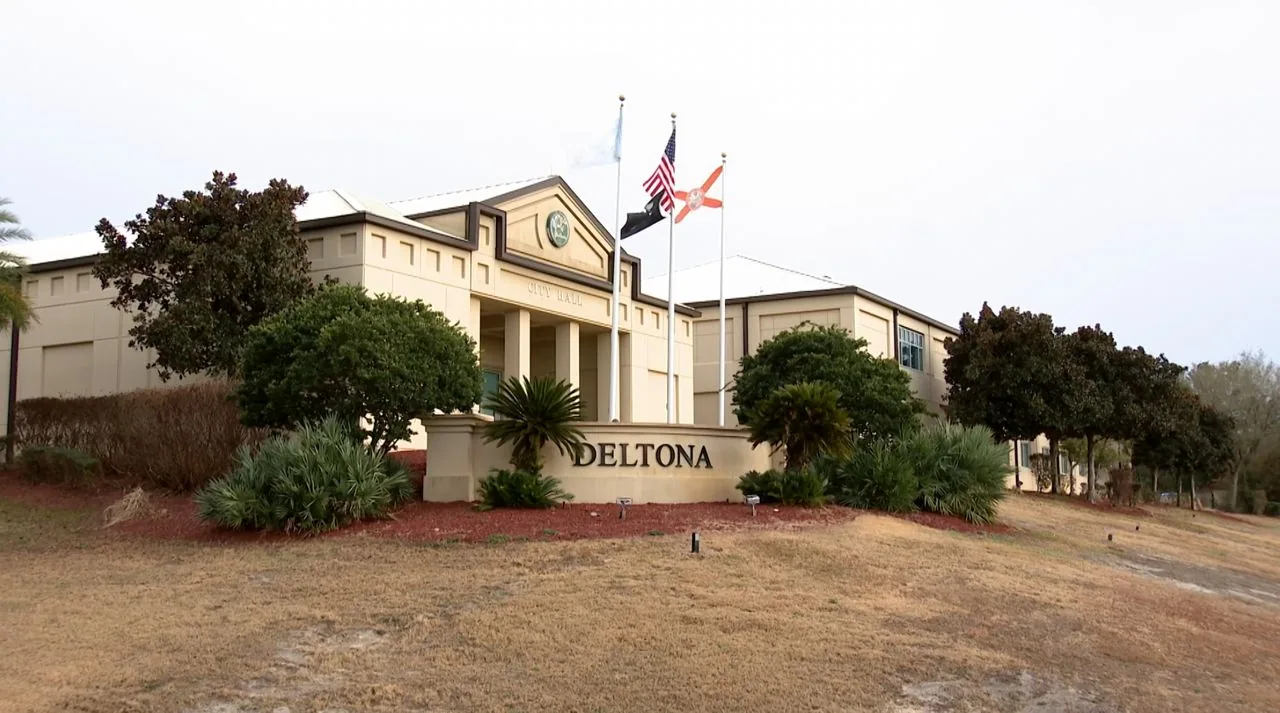
Commercial Roofers Deltona documents the roof before it quotes the work, so every scope starts from what is actually on the building.
Ready to Review Your Roof?
Tell us about the building, the roof and what you are seeing. We will outline the next practical step, whether that is an inspection, a repair scope or a replacement plan.