
Commercial Roofing in Sanford, FL
Commercial roofing in Sanford, Florida, with inspections, leak repairs, maintenance and replacement planning based on documented roof conditions.
Commercial roofing in Sanford should begin with the operating need and the condition of the roof. A property manager may need a leak contained, a repair priced, or a longer-term replacement decision supported by evidence. We inspect accessible areas, map the observations and explain what can be addressed now. When the assembly or moisture extent is uncertain, the report identifies the next test rather than making a roof-wide claim from a single symptom.
Sanford has been the Seminole County seat since 1913, and with Orlando Sanford International Airport, its flight academies and the start of State Road 417 at I-4 inside the city, its property needs run from airfield-area buildings to offices. We confirm the property and access instructions with its owner, then document the membrane, seams, flashing, penetrations, drainage and prior repairs that are actually present. The result is a scope tied to one roof, not an assumption attached to a city name.
Roof Review: Locate the Source Before Pricing the Work
A ceiling mark is evidence of water entry, but it may not sit directly below the opening. We begin near the reported area and trace plausible paths across the roof, checking seams, perimeter details, curbs, penetrations and drainage points. Photos should capture the detail and enough surrounding context to place it on a roof plan. If access is limited or a condition cannot be confirmed visually, the report should say so and name the next investigation.
For a Sanford property, a commercial roof inspection records the observed system, repair history and areas that need attention. If moisture may extend beyond a visible defect, an infrared moisture survey can help focus verification. The owner should understand what the survey can indicate and what confirmation may still be necessary before material removal or a replacement decision.
Drainage deserves a separate look from membrane seams. We note standing water, blocked outlets, loose components and transitions where water may bypass the intended path. The inspection should distinguish a maintenance item from a damaged assembly detail. If the evidence supports correction, a drainage repair assessment can define that work separately from leak repair. This separation helps the owner compare the cause, remedy and price without combining unrelated conditions.
Repair or Replace: Let the Findings Set the Boundary
A limited repair may be appropriate when the defect is isolated and surrounding materials remain serviceable. The proposal should identify preparation, compatible materials, flashing treatment, the repair perimeter and what is excluded. Repeated failure, concealed moisture or deteriorated material beyond the opening can change the scope. We explain what evidence supports that change and what additional inspection would confirm it before asking the owner to approve broader work.
Sanford averages about 49.63 inches of rain annually, with the wet season running from June through September. That seasonal pattern is a reason to resolve an active leak before the next prolonged period of rain, while leaving enough time for a sound inspection and repair plan. The building-specific observations remain the basis for the recommendation.
When the existing layers or attachment are uncertain, a roof recover review should address moisture findings, known layers and the questions that need confirmation. If the roof is suitable for a focused correction, a leak repair proposal should state the work area and method. A recover and a repair solve different conditions; neither should be recommended without explaining why the observed roof supports it.
Rain Planning: Track What Is Temporary and What Is Permanent
When water is reaching an occupied area, temporary protection may reduce immediate exposure while the owner decides on permanent work. Record the temporary action, the affected interior area and the date for a follow-up. A patch does not establish whether insulation is wet, whether another detail is involved or whether the surrounding membrane remains serviceable. The report should preserve those open questions so urgency does not turn an interim measure into an undocumented final repair.
Sanford is at the starting point of State Road 417 at I-4. That transportation context can help coordinate a visit, but road access does not replace confirmation of the property's entrance, roof access contact or delivery restrictions. We verify those details with the owner before scheduling. For ongoing care, a preventive roof maintenance visit can record changes, deferred items and repairs that need follow-up on an agreed schedule.
If a roof needs more than one visit, the owner should keep the inspection record, approved scope, material notes and closeout photos together. A roof condition report with photographs gives managers a usable reference for later bids and maintenance decisions. It should distinguish visible conditions from areas not reached or not tested, so the file remains useful without overstating what the crew could establish.
Scope Review: Ask Each Bidder to Price the Same Roof Area
Comparing estimates is difficult when one includes only a patch and another includes preparation, flashing replacement and a wider perimeter. Ask each bidder to identify the observed detail, materials, access assumptions, disposal, cleanup, exclusions and warranty terms. The proposal should describe what would happen if the crew finds a different condition after opening the roof, including who can approve added work and how the price will be documented.
A repair scope should be specific enough for the owner to compare work without guessing about the boundary. If replacement is under consideration, request a separate explanation of the system, tear-off or recover assumptions and transitions. The appropriate choice depends on actual inspection and testing, not on the age or address alone. Keep immediate leak control separate from capital planning where the owner needs both decisions.
For an owner with other properties nearby, a Lake Monroe roof inspection or Geneva service-area visit should have its own record and approval. Each file should carry a property identifier, date, marked roof area and photos so later staff can see which condition drove which work order.
Work Sequence: Close the Loop After the Crew Leaves
Before work starts, confirm roof access, interior protection, equipment shutdowns and the person authorized to approve a changed condition. At completion, ask for photos showing the prepared area, the finished detail and the materials around it. If a condition was deferred, assign it an owner and review date. These small records reduce the chance that a recurring symptom is treated as new without checking the earlier repair.
For Sanford properties, schedule an inspection early enough to understand the condition before it becomes an urgent leak response. If further testing is needed, ask what result would change the recommended scope. If repair is approved, agree on the closeout information before mobilization. That gives the manager a clear point to confirm the work, update the roof file and decide whether continued observation or a separate capital review is appropriate.
Commercial Roofing Questions
What should a Sanford commercial roof inspection include?
It should identify the reported leak area, visible assembly, seams, flashing, penetrations, drainage details and access limitations. Dated photos and a marked roof plan make the observations easier to review and price.
Does Sanford's wet season mean my roof needs replacement?
Not necessarily. Seasonal rain is relevant to planning, but only the building's observed condition and any needed testing support a repair or replacement recommendation. A report should separate weather context from roof-specific evidence.
Can one Sanford inspection cover multiple properties near I-4?
A visit can be coordinated across properties, but each roof needs its own observations, photos, access record and scope. Keep approvals and pricing tied to the specific building and work area.
What information should be kept after a Sanford roof repair?
Save the approved scope, repair location, materials, dated completion photos, closeout notes and deferred conditions. Assign a date and responsible contact to any follow-up that remains open.
Share the reported leak area, roof access contact and prior repair history. We will document accessible conditions and outline the next repair, testing or planning decision.
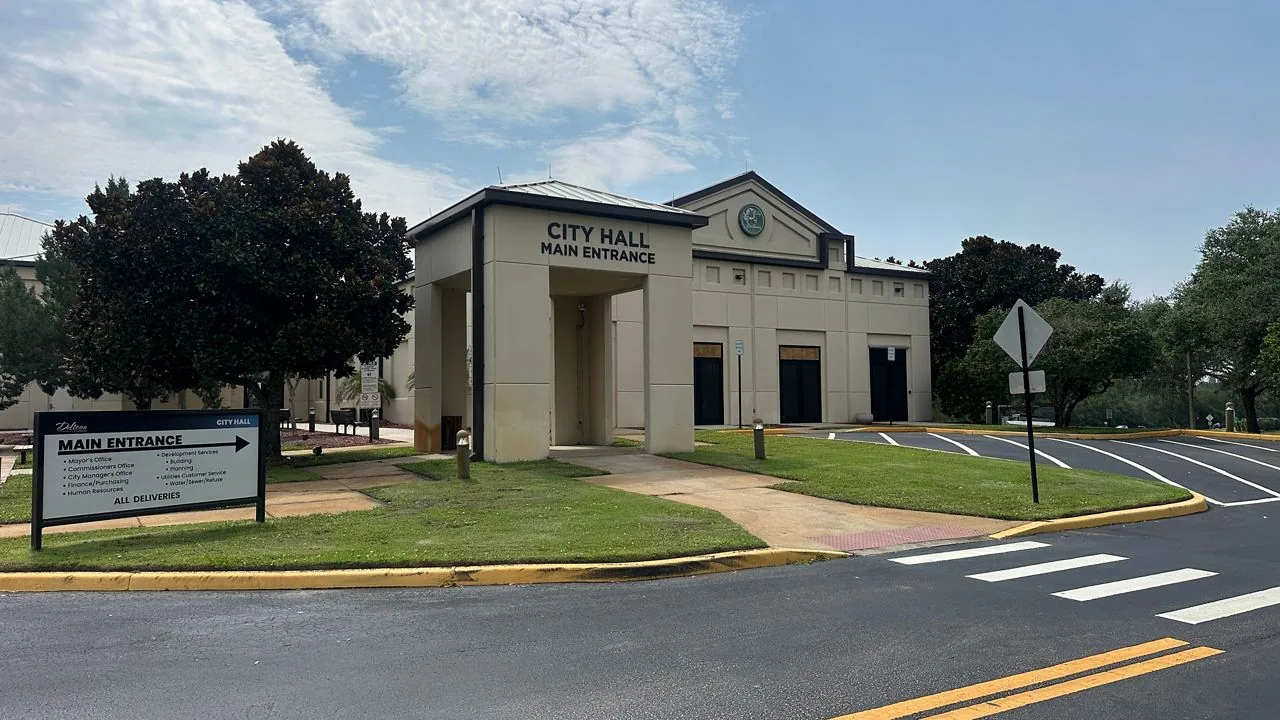
Commercial Roofers Deltona documents the roof before it quotes the work, so every scope starts from what is actually on the building.
Ready to Review Your Roof?
Tell us about the building, the roof and what you are seeing. We will outline the next practical step, whether that is an inspection, a repair scope or a replacement plan.