Rooftop Equipment Curbs and Supports in Deltona, FL
Repair or replace rooftop curbs and supports in Deltona, FL. We check the membrane, flashing, equipment load and access plan before work begins.
A curb that rocks under a service technician can open the flashing before the equipment itself shows a problem. Then Deltona's afternoon rain finds the split, follows the curb into the insulation and leaves a ceiling stain far from the entry point. The owner is left weighing a detail repair against water already moving under the roof. Our first decision is whether the curb, its attachment and the surrounding membrane can be kept as one sound assembly.
We inspect the equipment base, note movement and corrosion, trace the flashing edge, and check the roof system before proposing a repair. For a unit change or a larger rework, we coordinate with the mechanical contractor so the curb dimensions, equipment weight and roof opening are settled before the membrane is cut. That sequence costs less than adapting a new curb after roofing has started.
Failure Path: Where a Curb Starts to Leak
Water usually enters at a joint, not through the solid curb wall. Look for a separated flashing corner, cracked sealant, loose fasteners, a split at the membrane termination or a low spot that holds water beside the base. A unit that vibrates can work those connections gradually. Rust at a steel support or a soft curb edge can also let the assembly shift when a technician steps nearby.
We follow the water path outward from the first visible mark and compare it with the curb's condition. A ceiling stain near Howland Boulevard may sit below a drain run rather than directly below the unit; the roof walk has to connect the two before anyone prices a patch. When moisture has spread beyond the flashing, our infrared moisture survey can help map where a larger repair begins.
Curb and Support Scope: Keep the Load on the Right Detail
A repair may mean replacing a loose fastener, rebuilding a flashing corner or removing a failed curb cover. A replacement may require the mechanical unit to be lifted, the old curb removed, and a new curb set at the correct height and opening. Pipe racks, conduit frames and small equipment supports need their own attachment details. We identify each item separately so the owner can see which work belongs to the roofer and which needs the mechanical or electrical trade.
Before setting a new base, we compare the opening, curb height and support points with the equipment plan. A heavier or differently sized unit can change the load path and leave the old support inadequate. We do not assume that a new unit fits the old curb because the footprint looks close. A written dimension check and trade sign-off keep the roof opening, equipment and flashing aligned before demolition begins.
Membrane Connection: Match the Repair to the Roof
Every curb detail has to meet the membrane it touches. A thermoplastic roof may need heat-welded flashing, while EPDM uses compatible adhesive and reinforced membrane. Modified bitumen and built-up roofs call for their own flashing layers and surfacing. We identify the existing system before selecting a patch, then prepare the surface so the new work bonds to sound material instead of dust, old sealant or a damp edge.
The curb is only one part of the repair. We check nearby seams, walkway pads, drains and edge metal for damage from service traffic or repeated access. The same field check helps decide whether a repair can stay local or should be grouped with other defects. If the membrane itself is beyond a reliable repair, we compare the detail cost with a planned replacement rather than letting separate visits accumulate.
Weather Window: Finish the Detail Before Rain Returns
June through September brings most of Deltona's 51 to 53 inches of rain, and July highs average 92 F. An open curb has little margin in that pattern. We schedule the work for a dry window, stage compatible materials, and close the roof opening before the crew leaves. If an equipment lift has to move the schedule, we agree on a temporary weatherproofing plan before the membrane is disturbed.
Hurricane Charley crossed directly over Deltona in 2004, while Frances and Jeanne also affected the city that year. That history makes a loose equipment base a decision to settle before hurricane season, not after the first warning. We photograph the curb before and after repair, record any equipment movement, and leave the owner with the next decision date for inspection or replacement.
Access and Coordination: Keep the Equipment Running
Most rooftop units cannot simply be switched off without a plan. We coordinate the lift, shutdown and restart with the building contact and the mechanical trade, then set a work zone that keeps tools and loose material away from intakes. On a retail or medical office roof near the I-4 and Saxon Boulevard corridors, access routes and tenant hours can determine which section is safe to open first. We make those choices before mobilization so the crew does not improvise beside an operating unit.
For a site with several curbs, we number each location on a roof sketch and separate urgent water entry from supports that can wait for a planned equipment change. The owner can compare the repair list with the next maintenance walk and the equipment budget. Our preventive maintenance work can carry those notes forward, while a Howland Boulevard area roof gets scheduled around its own delivery and access needs.
Owner Decision: Repair, Reset or Replace
Three conditions decide the scope: whether the curb moves, whether the membrane has a dry and bondable edge, and whether the equipment can remain in place. A stable base with isolated flashing damage is usually a focused repair. A corroded or undersized support may need replacement with the unit lifted. Widespread wet insulation, repeated curb leaks or an equipment change that alters the opening can make a broader roof scope the lower-risk choice.
We put the findings beside the trade responsibilities and the work sequence, then price the immediate repair separately from the future equipment project. That lets an owner choose what to authorize now without losing the cost of the deferred item. When the roof is near its replacement decision, our roof capital planning can place the curb work alongside the larger reserve line. A TPO roof and an older built-up roof will not use identical flashing details, so the system check stays part of the decision.
Commercial Roofing Questions
Can a leaking curb be repaired without removing the rooftop unit?
A stable curb with sound corners often can be reflashed in place. We first check whether the base moves, whether water reached the insulation and whether the unit blocks a durable termination. If corrosion or a changed equipment opening is involved, lifting the unit may be the only way to rebuild the connection correctly.
What should be settled before replacing an HVAC unit on a roof?
The equipment dimensions, operating weight, curb height, opening and shutdown plan should be coordinated before the old unit comes off. We compare those details with the roof membrane and support points, then assign the lift and flashing sequence with the mechanical contractor. That avoids leaving an open deck while trades resolve basic measurements.
How do you tell a curb leak from a drain or seam leak?
The stain alone does not locate the entry. We inspect the curb perimeter, seams and drainage path, then match surface damage to interior evidence. Water can travel below the membrane before it appears inside. Where the insulation may be wet beyond the detail, a moisture survey helps define the repair boundary before pricing.
Will roof work interrupt tenants or cooling?
The interruption depends on whether the equipment must be lifted or shut down. We set the work window with the building contact and mechanical trade, keep the opening weatherproof between steps and route materials away from active entrances. For occupied retail and medical offices, that plan is part of the scope, not an afterthought.
When is a curb repair no longer the right spend?
Repeated leakage, a moving or corroded base, saturated insulation, or an equipment change that needs a new opening can push the job beyond a flashing repair. We show the owner what is local and what is broader, then compare the repair cost with replacement timing before another wet season adds damage.
Schedule a roof walk before the next heavy rain. We will map the curb, flashing and support findings, then give you a repair scope and decision date you can control.
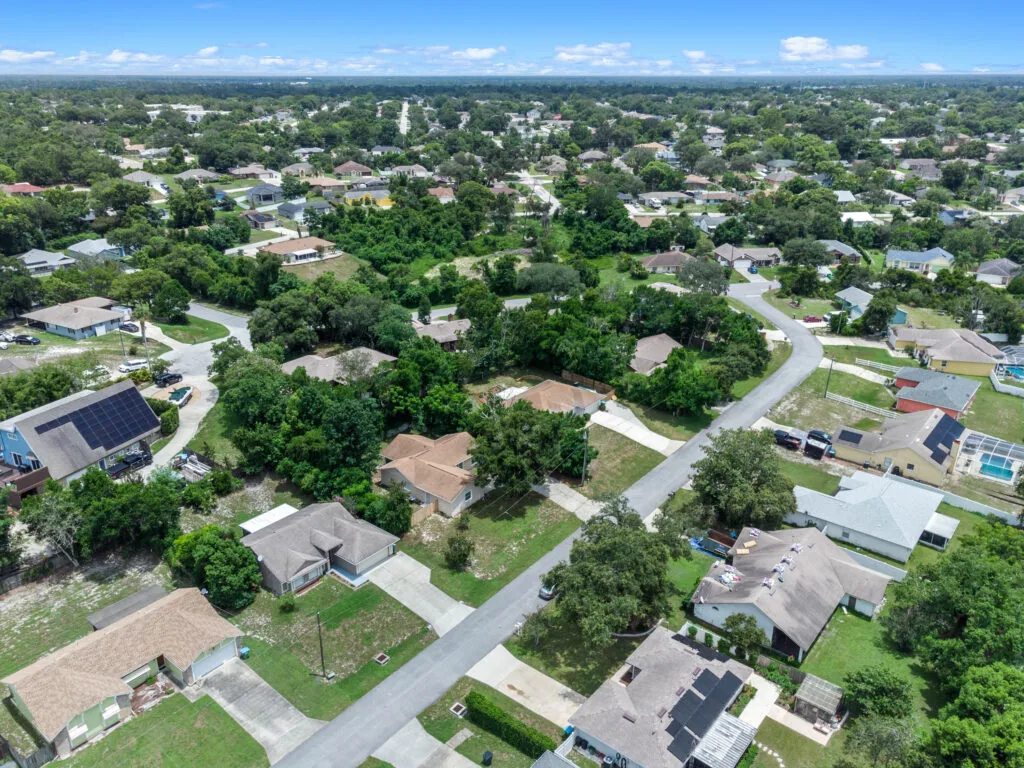
Commercial Roofers Deltona documents the roof before it quotes the work, so every scope starts from what is actually on the building.
Ready to Review Your Roof?
Tell us about the building, the roof and what you are seeing. We will outline the next practical step, whether that is an inspection, a repair scope or a replacement plan.