
Occupied Building Reroofing in Deltona, FL
Reroof occupied commercial buildings in Deltona, FL with phased work, protected entrances, tenant coordination and a weatherproof closeout each day.
Reroofing an operating building is a scheduling exercise as much as a membrane installation. People still need to enter, deliveries still arrive, and the roof must be closed against rain before the crew leaves. A clinic, school, or neighborhood store cannot simply pause its day while a contractor clears the deck. We shape the work plan around those active uses, then set the roof sequence to match the access and weather limits the manager identifies.
We walk the accessible perimeter with the facility contact, mark doors and loading paths, ask which rooms need uninterrupted cooling, and identify hours when noise or lifts are least disruptive. From there, the owner can review a practical work map before a planned replacement is priced.
Readiness Map: Identify What Must Keep Moving
Before staging materials, the team needs to know how the property functions on an ordinary weekday. A delivery entrance may be busiest early; an office may have a quiet window after lunch; a school may need its outdoor areas kept clear. The walk-through also identifies roof access, lift positions, interior areas that need protection, and the route for removing debris.
The resulting map sets a boundary between active construction and daily use. It names which entrance remains open, where temporary barriers may go, and who can approve a change if an unexpected condition appears. If separate buildings share a manager, multi-site roof planning can organize their records, while each address still receives its own access and phasing decisions.
Phase Sequence: Finish a Defined Roof Area at a Time
A workable sequence limits how much roof is exposed at once. We lay out sections that can move from removal to installation and temporary or permanent closure within the approved shift. The manager can see the planned start point and the tie-in expected at the end of each work period. If a section reveals wet insulation or a damaged deck, the condition is documented and priced for approval before the scope expands.
Near the Howland Boulevard area project, deliveries may dictate when a lift or dumpster can occupy a loading lane. We establish these limits with the contact and adjust the work area to fit; the crew should not move the disruption from the roof to an unplanned ground-level route.
People and Access: Keep the Ground Plan Clear
Tear-off, hoisting, and equipment placement can affect doors, sidewalks, employee parking, and service drives. Before each phase, the manager and crew lead confirm the route people will use and the area that must stay clear. Material is kept away from air intakes and public paths, and a lift is coordinated so that it does not unexpectedly block the entrance that the building relies on.
One designated contact helps keep notices useful. That person can tell occupants when a noisy task is scheduled, confirm whether a corridor or loading area needs a short closure, and collect a report if water is seen indoors. When a leak requires immediate stabilization, the separate emergency roof response process can be considered while the reroof sequence is revised. A schedule change should identify the affected section and next update, rather than promise a date that weather may invalidate.
Daily Close: Protect the Stop Point Before Leaving
Central Florida’s rain pattern makes the last hour of a shift important. Deltona averages roughly 51 to 53 inches of precipitation in a year, with most rain arriving from June through September. The crew therefore needs a defined stopping line, prepared closure materials, and enough time to inspect the transition before packing up. A shorter work area is preferable to leaving a larger section exposed when the forecast window narrows.
Hurricane history is another reason to document what is secured. Charley crossed directly over Deltona in 2004, and Frances and Jeanne also affected the city that season. A dated record of closed sections matters for that reason: which sections are closed, what temporary protection remains, and where work can restart after conditions are safe. The contact receives that status at the end of the shift, with any weather-related change to the following day’s plan.
Roof Interfaces: Coordinate Curbs, Drains, and Cooling
Equipment may remain in service, but curbs, conduits, drains, and service paths need a sequence. We coordinate a planned shutdown or lift with the mechanical contractor and facility contact, protect intakes from dust, and leave technicians a way to reach the units. New membrane and insulation should meet the equipment detail without covering access or leaving an unfinished transition where water can enter.
On a property connected to the I-4 or Saxon Boulevard corridor, the preferred material route may conflict with an entrance or active delivery lane. The site map can identify a lift window and an alternate path before mobilization. Where the scope includes a unit change, curb and equipment support work can be coordinated with the roof phase; drain and scupper repairs should likewise be completed before the adjoining field is closed.
Code Tracking: Add Up the Work Across Phases
Dividing a project into smaller mobilizations does not remove the need to track the total roof area. The 2023 Florida Building Code, Eighth Edition, became effective December 31, 2023. Its roof provisions can require the entire roof to comply when repair, replacement, or recovery work exceeds 25 percent of the roof area within twelve months, unless the existing roof was constructed to the 2007 Florida code or a later edition. Track phase areas and dates in one running record.
We describe the proposed work limits and flag when the planned area is nearing that threshold, so the owner can resolve permitting and scope questions before approval. A condition inspection can document what is present and help distinguish repairable sections from work that belongs in the broader project. The code discussion is part of the written scope; the final interpretation and permit requirements should be confirmed with the authority having jurisdiction.
Daily Handoff: Give the Manager a Useful Record
At closeout, the facility contact should know what changed that day, what remains protected, and what the crew expects to open next. We can record completed roof sections, temporary tie-ins, access adjustments, and conditions that need an owner decision. When the manager sees a wet deck or concealed damage in the opened area, the location and proposed correction are documented before additional work is authorized.
Deltona includes neighborhood-serving retail, medical offices, schools, flex buildings, and zoning for warehouse, healthcare, commercial recreation, and lodging uses. Their schedules differ, so a phasing plan should reflect the actual operation rather than repeat a stock tenant notice. Each Howland Boulevard area project still needs building-specific access notes. The result is a clear sequence the site team can use during the work, not just a construction calendar.
Commercial Roofing Questions
Can a school or medical office stay open during reroofing?
Often, when the scope permits phasing. We confirm entrances, occupied rooms, cooling needs, and noisy tasks with the facility contact. Any needed closure is scheduled before work starts.
How is the roof protected if rain changes the schedule?
We size each work area to the forecast and the crew’s ability to secure its tie-in. If weather shifts, the manager receives the secured-area status and the next safe work window.
Will the HVAC system need to shut down?
Not always. A lift or curb change may need a planned pause. We coordinate equipment access and timing with the mechanical contractor and site contact.
How do you protect entrances and deliveries?
The phase map marks lifts, debris routes, barriers, and active doors. If a loading lane must close briefly, the manager agrees on an alternate path in advance.
Can roof work be split over several months?
Possibly, but track area and dates together. Florida’s Eighth Edition code can trigger whole-roof requirements above 25 percent in twelve months, with the stated 2007-code exception; confirm permits locally.
Arrange a site walk with the facility contact to map access, phase limits, equipment needs, and the end-of-shift roof closure before the replacement schedule is set.
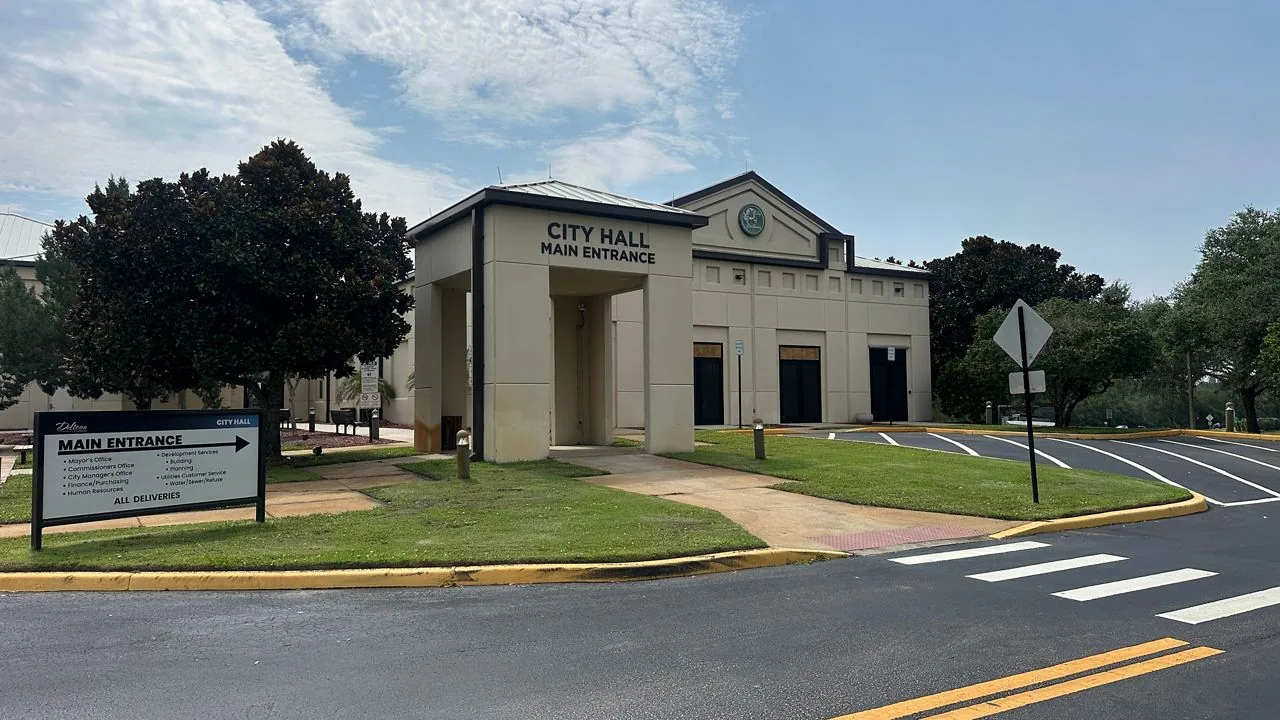
Commercial Roofers Deltona documents the roof before it quotes the work, so every scope starts from what is actually on the building.
Ready to Review Your Roof?
Tell us about the building, the roof and what you are seeing. We will outline the next practical step, whether that is an inspection, a repair scope or a replacement plan.