
Fitness Center Roofing in Deltona, FL
Fitness center roof repair and replacement in Deltona, FL. We inspect leaks, HVAC curbs, drains, and plan work around classes and member access.
Rain through a fitness-floor roof can put equipment, electrical connections, or a class area out of use. The visible drip may not line up with the opening, and water can travel through insulation before it reaches a ceiling. We trace the path, inspect the roof details, and identify what needs protection. Then we shape the repair sequence around classes, member access, and the roof's close-in needs rather than treating an occupied gym like an empty work site.
Deltona's zoning includes commercial recreation, and Deltona Village on Howland Boulevard was planned as a mixed commercial area with retail, office, and flex uses. Gym buildings carry heavy HVAC loads and long operating hours, so the building's assembly, HVAC layout, drainage, and schedule determine our scope.
Active Rooms: Check the Roof Above Them
Water can enter through a seam, curb, pipe boot, skylight, or roof edge and travel before it appears indoors. We compare the reported room with the roof field, transitions, and prior repairs. A moisture survey can help find wet insulation beyond the visible stain. Our leak repair service traces the entry point and distinguishes a local detail from a wider roof condition.
Fitness buildings may have HVAC equipment and exhaust sized for occupied rooms, with service paths around the units. We inspect flashing at curbs and note wear from repeated technician access. The route below also matters: a leak over a weight area, studio, or locker room may need a different temporary boundary from one over a back-of-house space. The facility contact can identify operating hours and any class schedule that limits overhead work.
Deltona's average daily high reaches roughly 92 F in July, and most of the annual rain comes between June and September. Heat and frequent storms make a small opening more consequential over time. We show what can be protected now and which permanent repair needs to be scheduled before another wet period.
Repair Scope: Compare It With the Roof Condition
A single failed flashing detail may support a repair when adjacent membrane and insulation remain sound. Recurring leaks, broad moisture, or weak attachment may call for recovery or replacement. We map the affected area and explain what remains serviceable. That gives ownership an actual repair boundary instead of a quote based only on the most recent ceiling mark.
A recover can work when existing layers, drainage, attachment, and substrate allow another assembly. A recover assessment tests the roof against those conditions first. If wet material extends across the roof or the existing assembly has repeated failures, replacement may be the clearer choice. The written condition report lists observed areas, immediate protection, and the alternatives, with enough detail for a budget meeting.
Florida's 2023 building code counts repairs, replacement and recovery together once they pass 25 percent of roof area in 12 months. Past that amount, a roof that predates the 2007 code can be pulled fully under current code. We flag the work-area implication early, before the owner approves separate projects that quietly change the overall scope.
Equipment and Outlets: Inspect HVAC Curbs and Drains
Units, exhaust, piping, and conduit interrupt the roof surface. We inspect the curb flashing, nearby membrane, support conditions, and service path. A curb and support review can address those interfaces where they are part of the roof problem. We also check whether drains and scuppers carry water off the roof or leave it standing beside a seam. Drain work can be included when a blocked or damaged outlet contributes to the condition.
System choice depends on deck, slope, layers, attachment, and drainage. TPO roofing and EPDM roofing use different seams and flashing methods. The proposal should explain how the selected membrane handles curbs and roof traffic, and what access remains for maintenance. A system name alone does not answer whether the work resolves the failure point.
Hurricane Charley passed directly over Deltona in 2004, with strong gusts recorded in Longwood and Altamonte Springs. After severe wind, perimeter edges and exposed transitions deserve an inspection, since a loose termination can let rain below an intact-looking field.
Class Schedule: Plan Work Around It
Before mobilization, we confirm when members use the building, which doors must remain open, and whether any space below the roof needs a temporary hold. We identify staging, roof access, and a daily close-in point for each area. If work must shift to another time, the facility manager should know which zone remains protected and who can release it. A short plan by area is easier to communicate than a general notice about roofing.
Interstate 4 follows Deltona's western boundary. State Road 472 approaches Howland Boulevard near the northwest city edge, where Deltona Village was planned. We confirm the facility's actual service entrance, loading, and member routes with the manager, because a Howland Boulevard-area assessment turns on those site-specific details.
For an occupied building, phased roofing work can coordinate notices, protection, and access restrictions. We keep the active zone defined and close the roof at the agreed point. If a concealed condition changes the scope, the owner gets a decision before work expands into another class or training area.
Bid Review: Compare What Each Gym Roof Bid Includes
Proposals may differ on wet insulation, tear-off, HVAC flashing, drain work, edge metal, and temporary protection below the active zone. We list those assumptions by roof area and state what would trigger added work if concealed material is damaged. That helps the owner compare price and schedule without mistaking a smaller scope for the same work at a lower cost.
For properties combining fitness space with another use, office roof planning may involve tenant access, while warehouse roofing may involve material handling. We identify the roof zones and uses separately. A commercial inspection can document conditions before proposals are reviewed.
Get in touch before the next heavy rain or hurricane season. A first visit locates the entry point, explains the options, and plans the work window with the facility manager so classes and roof protection are considered together.
Commercial Roofing Questions
Can a fitness center stay open during roofing work?
We map the roof work zone against classes, member routes, and rooms below. Some areas may need a temporary limit while equipment or material moves overhead, while other parts of the building may remain available. The manager can set schedule constraints before we establish phases and a daily close-in point.
How do you handle a leak over cardio or training equipment?
We identify the affected roof zone and coordinate protection or relocation with the facility contact. The roof repair follows the entry point, which may be different from the equipment location below. We keep the immediate protection separate from the permanent scope and define when the affected floor area can return to use.
What should we inspect around rooftop HVAC units?
We check curb flashing, nearby membrane, supports, and the route technicians use to reach each unit. Repeated access can wear the roof, and a loose transition may admit water. We state what roof work is included and identify any mechanical task that needs another trade.
When is a roof replacement better than another repair?
Several active leaks, widespread wet insulation, or deteriorated attachment can make repeated patching a poor fit. We document the affected areas and compare a repair with recovery or replacement. The decision also considers the code work-area threshold and whether the facility can sequence a broader project.
How can classes continue while the roof is repaired?
We coordinate work areas, noise, staging, and access limits with the manager. A phase can proceed when the roof can be safely protected and closed while classes continue elsewhere. The schedule should identify any room or entrance affected and who confirms its return to use.
Call to map the leak, inspect the roof details, and set work phases with the facility manager. We will separate immediate protection from the permanent scope.
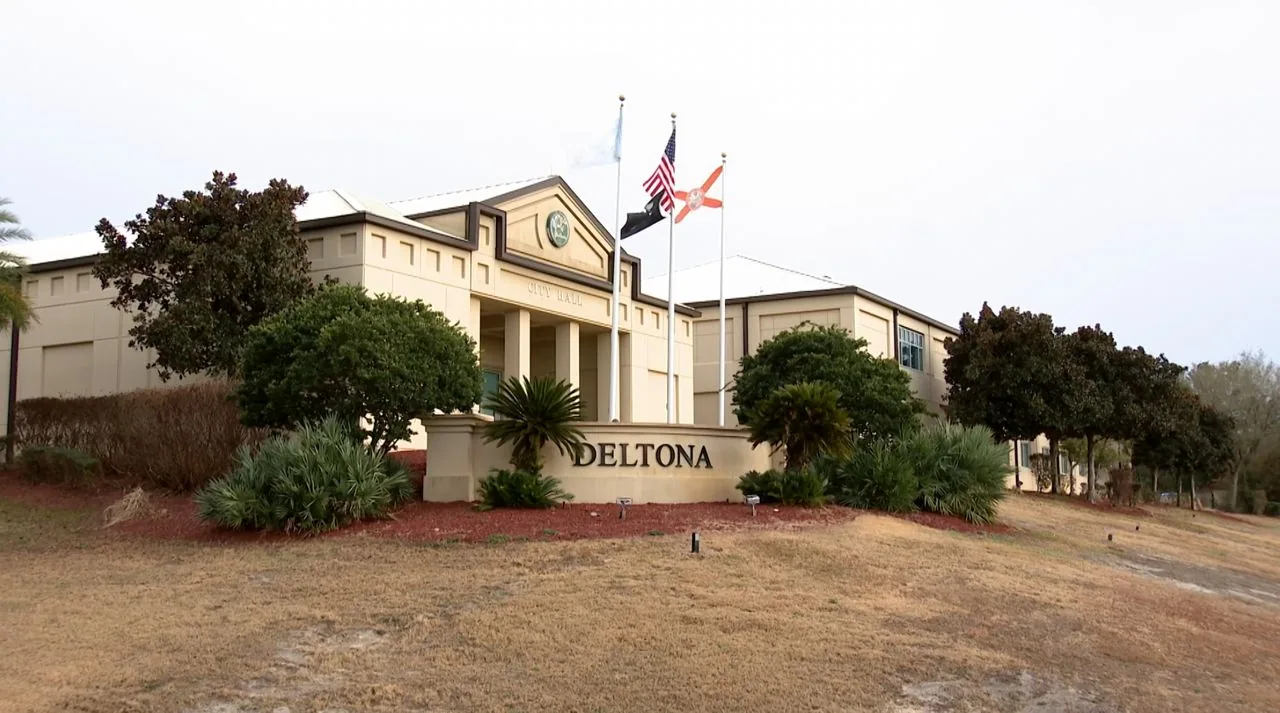
Commercial Roofers Deltona documents the roof before it quotes the work, so every scope starts from what is actually on the building.
Ready to Review Your Roof?
Tell us about the building, the roof and what you are seeing. We will outline the next practical step, whether that is an inspection, a repair scope or a replacement plan.