
Commercial Roof Seam Failure Repair in Deltona, FL
Seam failure roof repair in Deltona checks open laps, wet insulation and attachment, then sets a compatible repair boundary before the next storm.
An open membrane lap can admit water along a long path before the leak appears below. The first stain may be near a light, wall or deck joint rather than under the failed seam. We compare the interior report with roof slope, laps, terminations and prior patches, then test the area that could change the repair limit. Rain can return before a partly repaired seam has dried, so the owner needs a defined opening, temporary protection and a closeout point before work starts.
Charley crossed Deltona in 2004, with Frances and Jeanne following. A pre-season review follows from that record, while the present membrane determines whether a seam is open or simply aged. The Deltona I-4 corridor is a broad service area, but the building's roof plan, access rules and interior use control the actual sequence. If wind has lifted an edge as well as a lap, a wind damage repair review can distinguish those conditions.
Open lap: Identify the seam and its substrate
Seams can separate because of poor preparation, movement, age, contamination or a detail that was disturbed during later work. We inspect the length of the opening and the areas where the membrane turns at a wall, curb or drain. For thermoplastic membranes, we check whether a sound weld can be made to clean, compatible material. For EPDM, modified bitumen or built-up roofing, the repair method changes with the roof assembly. The proposal should name the existing system rather than assume all black or white membrane can be patched the same way.
Water can travel beneath the top sheet, especially where insulation joints connect to the seam. We map any damp area and compare it with the interior, using moisture scanning or selective cuts when needed. A moisture survey can help define concealed wet material, and a roof inspection documents lap condition, attachment and drainage. The report separates what is visible, what was tested and where a second test would change the scope.
Deltona's annual rain, about 51 to 53 inches, concentrates between June and September. A seam that stays open through repeated storms can feed moisture into the assembly even if the interior mark remains small. The repair boundary should follow material condition, not just the visible gap, and the closeout photographs should show where sound material was reached on every side.
Wet insulation: Price the damage beyond the lap
A short seam split can require a longer repair when moisture has spread beneath the membrane. We identify insulation that is wet, insulation that remains serviceable and any deck condition that needs separate assessment. Removal should stop at a firm, dry substrate and tie into sound membrane. If the cut line changes during the work, the owner should receive the added quantity and its reason before the crew covers the next section. Mark that boundary on the roof plan before replacement insulation is set.
Delay can increase interior protection, drying and removal work while tenant areas remain exposed. We document the room or operating zone below the seam, the temporary cover and the weather limit for each daily opening. A photo condition record can keep the roof map, test results and deferred items together. Where standing water keeps loading the repaired lap, a ponding water review should address drainage as part of the correction.
The owner can compare a localized seam repair with replacement when similar openings recur or wet insulation extends across multiple roof zones. A replacement scope should list tear-off, cover board, membrane, edge details and drainage separately. That lets the bid comparison show whether a repair is limited to the lap or has become a broader assembly decision.
Repair boundary: Match the membrane and movement
A good repair removes loose or contaminated material, prepares a sound surface and extends beyond the visible split enough to make a reliable tie-in. We match patch material to the installed membrane and detail any required primer, weld, cover strip or reinforcement. If the seam is at a curb or wall, the transition needs its own scope. A patch that stops at the edge of the crack can leave the same stress point carrying movement.
At a mechanically attached roof, the fastener pattern and deck condition matter beside the seam. On an adhered assembly, bond condition and wet substrate affect how far removal continues. Florida's Eighth Edition code may apply broader requirements when repair, replacement or recovery exceeds the annual area threshold. The design and permitting team should evaluate the existing roof history and exact scope. We provide the area and assembly information needed for that review, rather than hide it in a seam allowance.
Howland Boulevard meets State Road 472 near the northwestern Deltona limit, close to the I-4 connection. That corridor can orient arrival and staging, but property management must confirm gate, loading and tenant constraints. For a building that remains occupied, notices, protection and a daily closeout should be agreed before the crew opens a section.
Closeout: Confirm what the repaired seam now protects
Before approving a bid, compare seam length, removal boundary, wet insulation quantities, substrate repairs, patch material and temporary dry-in. Ask how the crew will close each exposed section if rain arrives sooner than forecast. The scope should identify any deck allowance, mechanical access or interior protection separately, so a low repair number does not leave an essential transition unpriced.
When Charley crossed Deltona, nearby Longwood and Altamonte Springs recorded damaging gusts. After a wind event like that, attachment and exposed edges get checked alongside the seam. We photograph the current condition and note any loose termination, metal or equipment support that needs its own repair rather than folding it into an unrelated lap patch.
Closeout should include the repaired seam, tie-in method, tests or observations made, and any remaining section that needs monitoring. A follow-up roof maintenance visit can review the repair after rain and check adjacent drains or transitions. If coverage documentation is needed, our roof claim documentation can organize photos and roof observations for the owner's file; the insurer makes coverage decisions.
Commercial Roofing Questions
How can an owner tell if a roof seam is the leak source?
The interior stain gives a starting point, not the full route. We compare it with membrane laps, slope, drains, curbs and any prior patch, then test material that could widen the repair boundary. The report identifies the likely entry and the evidence behind the proposed work.
Can an open seam be sealed without replacing the surrounding roof?
A local repair can work when the membrane around the split is sound, dry and compatible with a reliable tie-in. We check insulation and attachment before pricing the patch. Repeated openings or broad moisture may justify a larger scope, which should be shown separately from the immediate repair.
What should be included in a seam repair quote?
Compare seam length, removal limits, wet insulation, patch material, substrate preparation, temporary protection and daily closeout. The quote should show what happens if the deck is unsound or moisture extends beyond the test area. Those limits give the owner a decision point before hidden conditions change the quantity.
Should Deltona roofs be checked before the wet season?
Yes, make time for roof access, testing and repairs before June through September, when Deltona receives much of its annual rain. We inspect open laps and nearby outlets, then set a decision date for unresolved areas. The work list should come from the roof condition, not storm history alone.
Call with the leak location, roof type and any earlier repair records. We will map the open lap, test the surrounding assembly and set a repair boundary that the owner can compare and schedule.
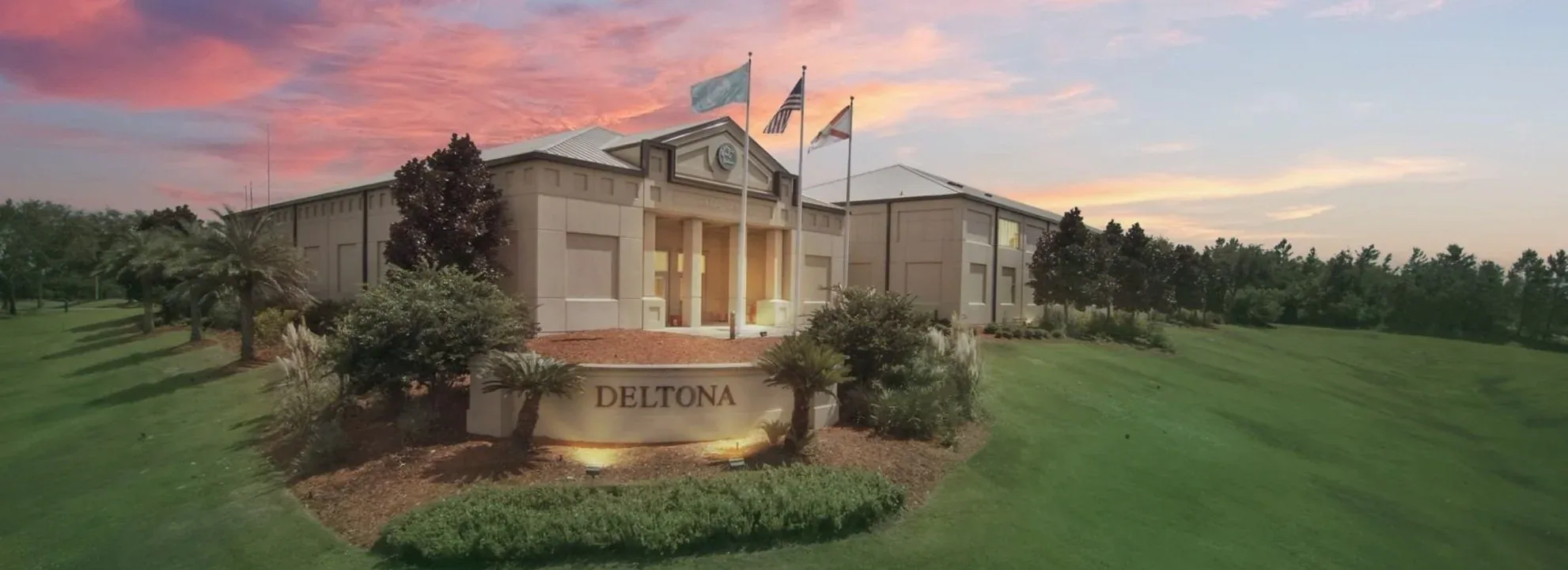
Commercial Roofers Deltona documents the roof before it quotes the work, so every scope starts from what is actually on the building.
Ready to Review Your Roof?
Tell us about the building, the roof and what you are seeing. We will outline the next practical step, whether that is an inspection, a repair scope or a replacement plan.