
Commercial Roof Condition Reports in Deltona, FL
Photo-supported roof condition reports for Deltona commercial properties, with repair priorities, moisture findings and decisions before wet season.
A board member asks whether the roof needs a patch or a replacement, and the file contains only a stain photo. That is not enough to make the decision. A useful report connects the interior symptom to roof-level observations, photos, moisture findings and a repair boundary. We inspect the assembly and write what is visible, what remains uncertain and what the owner can authorize next, so a budget meeting does not turn into a guess about the failure point.
Deltona's neighborhood retail, medical offices, schools and small flex buildings face long stretches of heat and summer rain. Along the Howland Boulevard corridor, an occupied business may need a repair decision that keeps its doors open. The report keeps those operating conditions with the roof findings, instead of treating every building as the same scope.
Finding Record: Show What the Roof Supports
We record the roof system we can identify, drainage paths, edge conditions, penetrations, visible repairs and access limits. Photos show the location and scale of each finding, while a roof plan or marked sketch helps a manager connect the picture to the building. The inspection behind the report separates an open seam, failed flashing or blocked drain from an interior stain that traveled from somewhere else.
About 51 to 53 inches of rain a year fall on Deltona, most from June to September, and daily highs climb from near 70 F in January to 92 F in July. The combination puts repeated wetting and heat stress into the report's timing discussion. We note where water is standing, whether insulation shows moisture, and whether a detail appears vulnerable before the next stretch of afternoon storms. Those observations are tied to a roof area, not written as a weather summary.
A written finding should identify its limits. If a roof area cannot be reached safely or a layer cannot be confirmed without opening the assembly, we state that directly and describe how it affects the recommendation. That lets the owner request a focused test instead of assuming the unknown area is sound or damaged. Photos are labeled by location so another reviewer can return to the same detail without relying on memory.
Repair Boundary: Keep the Scope Proportionate
The report separates immediate water entry from conditions that can be scheduled. An active leak may need temporary protection and a repair, while wet insulation or repeated movement at a seam can change the permanent scope. We explain what each option addresses and what it leaves in place. The owner can then compare a leak repair with a broader replacement without assuming the larger project is automatically necessary.
Deltona Village was planned along Howland Boulevard for retail, medical-office and flex uses. That mix makes operating hours, tenant activity, roof access and equipment coordination part of what a report has to record. A medical office and a vacant flex bay can need different work windows, so the bid should describe the actual building.
When moisture is suspected but not visible from the surface, we can recommend an infrared moisture survey or other targeted investigation. The findings should show the area examined, the method used and what still needs confirmation. If the owner is comparing proposals, a capital planning review can put the recommended work beside other roof needs and decision dates.
Priority Notes: Put the Consequence Beside the Finding
A report that lists defects without a consequence leaves the manager to rank them alone. We describe which condition is allowing water entry, which could spread, and which can be watched with a dated follow-up. A small opening over a ceiling grid may still affect insulation, wiring or tenant space if it remains wet through another storm cycle. Each near-term date comes with its reason, followed by the lower-priority work that can wait for a planned visit.
Deltona was Charley's direct crossing point in 2004, with Frances and Jeanne trailing. That local history belongs in the wind-exposure discussion whenever current roof details show a concern. We examine edge metal, flashing and prior repairs, then record whether the observed condition calls for a wind-damage evaluation. The owner gets a current finding tied to the property, with the storm record framing the decision.
Each priority should include the action, a decision date and the information that could change it. If a repair is deferred, the report can identify what to recheck after heavy rain. If replacement is being considered, it can identify the moisture mapping or assembly confirmation needed before bids become final. This is where a roof asset record helps: dated findings can be compared with the next inspection rather than filed as a one-time snapshot.
Proposal Review: Compare the Same Roof Work
Two bids may use the word repair while covering different areas, preparation steps or flashing details. We list the observed defect, the repair limit, materials to be removed or retained, and any condition that requires an owner decision if it is found during work. A proposal should also say how debris will be handled, where access is needed, and what roof areas need to remain clear. That gives the owner's representative a fair basis for comparing scope rather than choosing by a headline.
For broader findings, photos and a marked roof plan should align with each line item. If one bidder includes wet insulation removal and another assumes it stays, the difference must be visible before authorization. We can prepare a photo-supported condition report and review a property manager's bid package so the owner can identify a scope gap. The useful question is not simply which proposal costs less. It is which work addresses the documented failure and what risk remains outside the boundary.
Deltona's mostly residential, built-out setting includes neighborhood retail, medical offices, schools and flex buildings. A strip-center report should account for customer access; a school scope needs its calendar and rooms below the work. Those conditions change the sequence and protection in the bid.
Decision Calendar: Finish the Review Before Repeated Rain
Summer downpours can make a minor opening harder to manage because water may reach more of the assembly before anyone can return to the roof. We recommend closing urgent findings before the wet season where access and approvals allow, then scheduling larger work around tenant use and material lead times.
A useful report names the person who will act, the approval needed and the next review date. Along I-4 and State Road 472, each property's sequence and open decisions stay separate. For an acquisition, a roof due-diligence survey answers a different question than a repair report.
Where a roof includes drains or scuppers that can collect debris, the report should identify the locations and any visible restriction. A follow-up drainage repair visit can address that condition before another storm, while a Howland Boulevard area assessment can be scheduled around the building's actual use.
Commercial Roofing Questions
What should a Deltona roof condition report give our board?
Give them dated photos, marked locations, moisture observations, the recommended scope, its urgency and the consequence of deferring it. A board can then authorize a defined action and see what remains open, instead of approving a vague line that says repair roof.
Can photos establish how much insulation is wet?
A surface photo shows the visible condition, but it cannot establish hidden moisture by itself. We can identify where further testing is needed and record any infrared or test-cut findings separately, so the owner can see what was observed and what remains an assumption.
How can we compare proposals that recommend different scopes?
Put both proposals against the same roof map and finding list. Check repair limits, preparation, flashing, moisture handling, access and retained layers; then ask each bidder to explain what risk remains beyond the work area.
When should a report be refreshed after a storm?
Revisit the roof after a reported leak, visible damage, completed repair or material change in condition. Deltona's summer rain and hurricane season can make an older observation stale, so set a follow-up date tied to the building's exposure and the decision still pending.
Call before the next heavy rain or hurricane season with the roof concern, access needs and decision deadline. We will inspect the affected areas, document what we find and give you a clear next step.
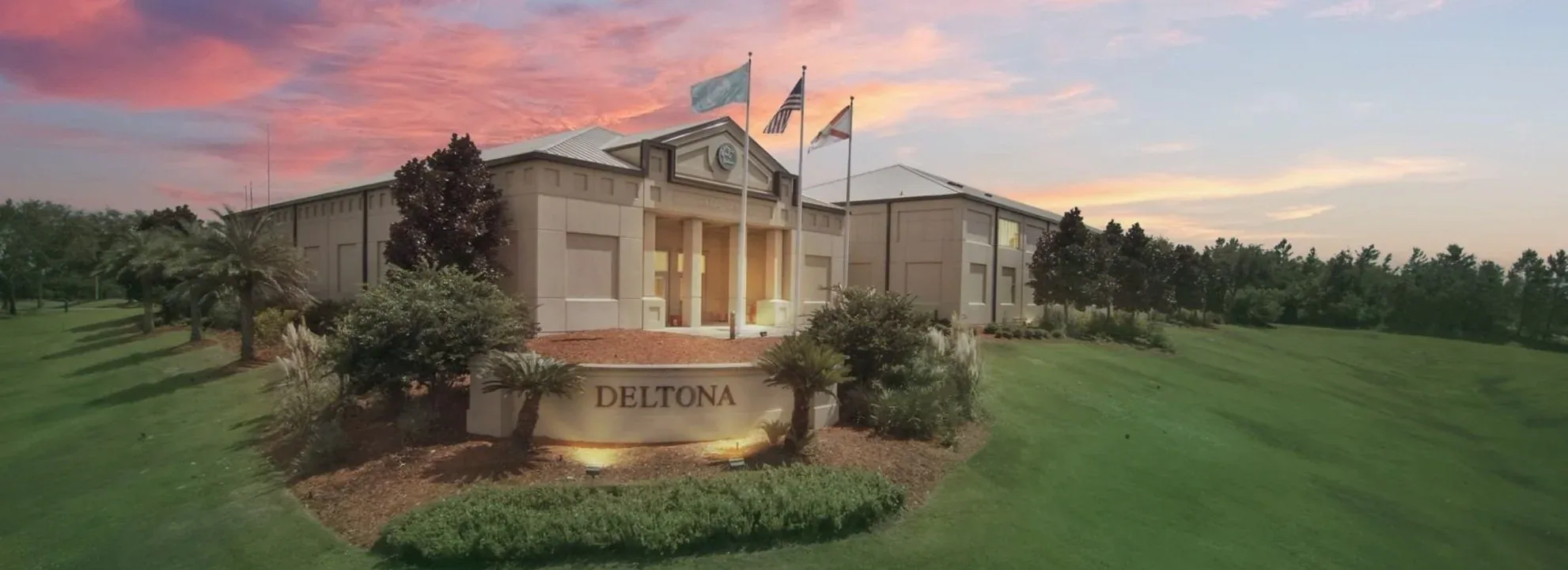
Commercial Roofers Deltona documents the roof before it quotes the work, so every scope starts from what is actually on the building.
Ready to Review Your Roof?
Tell us about the building, the roof and what you are seeing. We will outline the next practical step, whether that is an inspection, a repair scope or a replacement plan.