Commercial Roof Drain and Scupper Repair in Deltona, FL
Commercial roof drain and scupper repair in Deltona, FL, traces ponding to blocked outlets, failed flashing and low areas before interior damage.
Water sitting at a drain bowl after the rest of the roof dries is a warning about more than housekeeping. The outlet may be blocked, the flashing may be pulling loose, or the roof may have settled into a low area that keeps feeding the same pool. Deltona, FL, receives roughly 51 to 53 inches of rain each year, much of it from June through September. That repeated loading makes the path from roof field to drain a maintenance issue with a decision date.
We inspect the outlet, drain body, surrounding membrane, scuppers, conductors and slope toward the discharge point. The scope separates cleaning from failed components and from a roof-plane correction. Where the source is unclear, we map the water and consider a ponding-water investigation before pricing a larger correction.
At the Outlet: Bowl, Clamping Ring and Flashing
A drain can look open at the grate and still leak at the connection below. We check the clamping ring, fasteners, sump, seal and membrane transition for movement or gaps. A cast-iron body may be sound while the flashing is not; a new drain installed without a compatible membrane tie-in can create a fresh leak. We record the outlet's condition, the way water approaches it and any visible obstruction before removing material or proposing replacement.
On low-slope roofs, each drain must accept runoff without trapping debris at the approach. We note whether the sump is recessed, whether the bowl sits high, and whether the membrane has pulled away around the flange. If a section has to be opened, we protect the deck and insulation, then rebuild the transition with materials suited to the existing roof. A leak repair visit can trace interior staining back to the same assembly.
Scuppers and Leaders: Follow the Water Beyond the Wall
A scupper is only useful when its opening, sleeve, collector and downspout all pass water. We look for a pinched outlet, corroded metal, loose seams and a discharge that sends water back against the wall or into an entry path. The termination matters as much as the opening. At a parapet, we inspect the membrane turn-up and counterflashing, and we note whether the scupper height leaves water standing deeper than the surrounding roof.
Interstate 4 runs along Deltona's western boundary, and State Road 472 ends near Howland Boulevard at the northwestern city limit. Those broad travel corridors serve different commercial buildings, but the drainage question stays on each roof: where does water enter, where does it leave, and what gets wet if the route fails? If the outlet needs new metal or a wall transition, our edge and gutter service addresses that detail. A TPO roof assembly requires a membrane-compatible connection at the drain.
Low Spots: When Cleaning Does Not Fix Them
Clearing an outlet is the right first step when debris blocks the flow, but it does not correct a depressed roof. We compare water marks, drain elevations and the slope around the sump. A soft area may point to compressed insulation or a damaged deck; a broad puddle can call for tapered insulation or localized regrading during a larger scope. The owner should see the cause and the remedy separately, since adding sealant around a drain will not lift the roof plane.
We can document the low area with photographs and a marked roof plan, then recommend a moisture check when water may have entered the assembly. If the insulation is wet, removal and replacement may be necessary before the drain is rebuilt. The repair can be priced beside a moisture survey and a roof condition report, so the owner can judge whether a local correction is enough or whether neighboring areas need review too.
Before the Wet Season: Test the Entire Route
The outlet needs attention before a storm arrives, not after a ceiling stain appears. Deltona Village was planned for retail, medical office and flex uses along Howland Boulevard, where roof access and tenant movement make the sequence part of the work. We set a safe path to the roof, keep tools out of drains, protect the interior below an open section, and test the repaired route with water when conditions allow. A manager should know which outlet was serviced and what follow-up remains.
Heavy rain tests every transition at once. We observe the approach to the drain, the scupper throat and the discharge below, then record any slow movement or backflow. If several roofs are involved, a maintenance schedule can assign a return date based on tree cover, roof condition and past leaks. For a larger low area, coordinate a recover assessment only after confirming that existing moisture will not be trapped under the new assembly.
Repair Scope: Leave the Roof Ready for the Next Storm
A complete drain or scupper repair states which components are being reused, which are replaced and how the membrane ties back in. We identify deck repairs, insulation work, metal transitions and testing as separate items. If the roof is under warranty, the owner should share its terms before work begins so the repair method and notice requirements can be reviewed. We also note whether a test was performed, how water behaved afterward, and whether the downspout remained clear. A repair record should make the next inspection easier, not leave the manager guessing which bowl or wall transition was changed. This record also makes a later bid comparison more useful because the work is not reduced to “seal around the drain.”
After the repair, the owner gets photographs of the completed transition and any limits on the work. We explain what would signal a return problem, such as renewed ponding, a loose grate or water staining below the outlet. For an active opening, our storm damage assessment documents the immediate condition; owners along Howland Boulevard near Deltona Village can ask for the same record on each roof.
Commercial Roofing Questions
Why does water remain around a roof drain after rain?
A blockage, raised bowl, failed flashing, depressed roof area or compressed insulation can hold water near the outlet. We check the flow path and drain assembly before recommending a repair. Cleaning comes first when debris is responsible, but slope or substrate work is needed when the low point remains.
Can a drain be replaced without replacing the whole roof?
Often, if the surrounding membrane and insulation remain sound. We open only the area needed to reach the drain, rebuild the membrane transition and verify the tie-in. If moisture extends beyond that area, the owner should see that additional condition before authorizing the repair.
What is the difference between a drain and a scupper?
A drain carries water through the roof deck into a vertical piping system. A scupper passes water through a parapet wall, often to an exterior leader or collector. Each needs a sound flashing transition and a discharge route that does not send water back onto the building.
How can I tell if ponding needs more than cleaning?
Clear the outlet, then observe whether water still collects at the same location. A persistent low area may involve roof slope, insulation or deck movement. We map the condition and check for moisture before the owner approves a correction or coating.
When should Deltona drain work be scheduled?
Address an active leak promptly, and review drainage before the summer rain period when possible. A repair needs a safe access and weather window, especially if membrane must be opened. We explain what can be corrected now and what needs a broader scope.
Schedule a drain and scupper inspection before another heavy rain. We will trace the outlet, membrane transition and roof slope, then price the correction the roof actually needs.
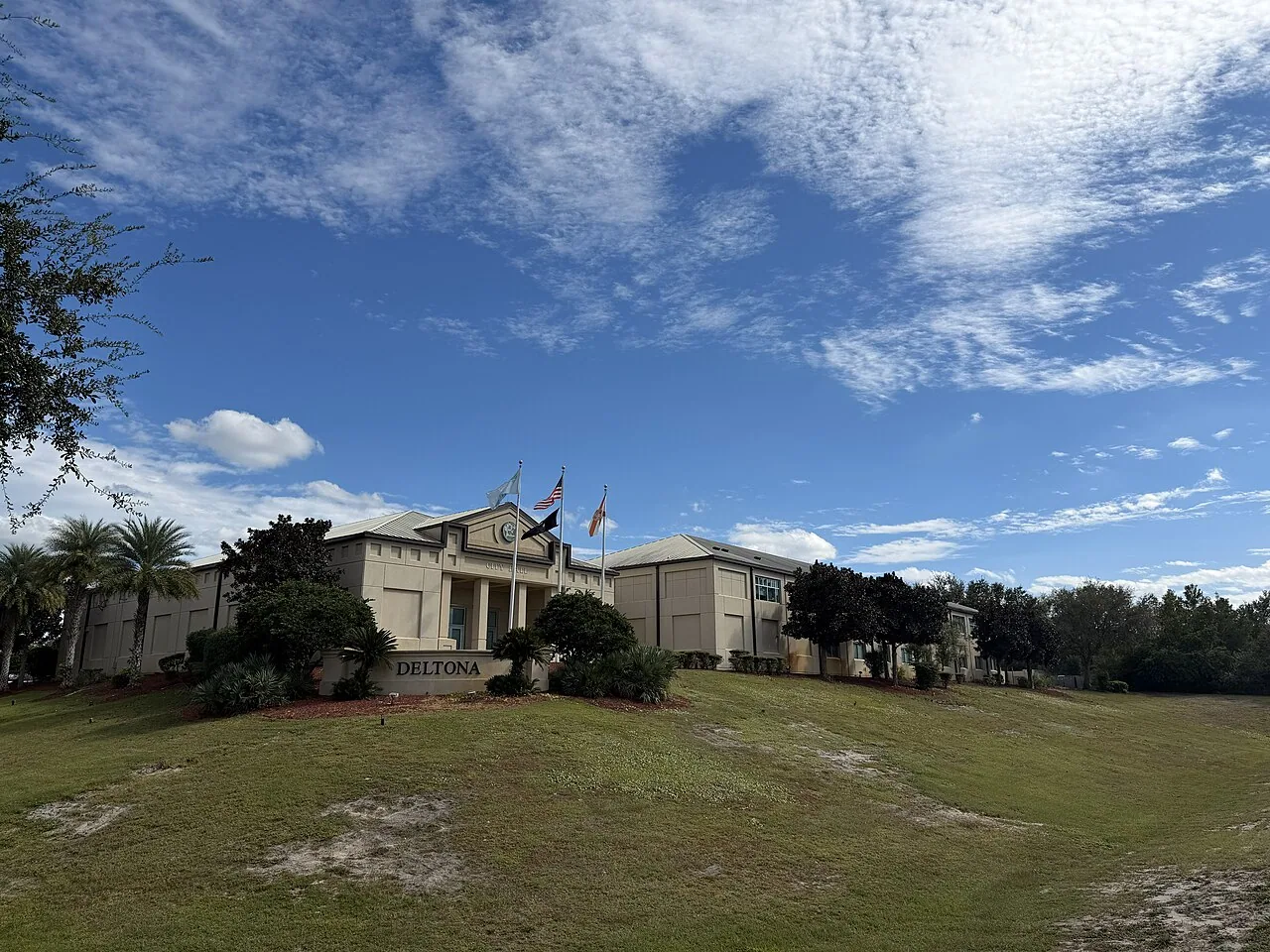
Commercial Roofers Deltona documents the roof before it quotes the work, so every scope starts from what is actually on the building.
Ready to Review Your Roof?
Tell us about the building, the roof and what you are seeing. We will outline the next practical step, whether that is an inspection, a repair scope or a replacement plan.