
Storm Damage Roof Repair in Deltona, FL
Storm damage roof repair in Deltona, FL, documents displaced edges, punctures and water entry, then separates urgent dry-in from permanent repair planning.
A loose edge after a storm is not a cosmetic finding. Wind may have lifted the membrane, broken the bond and opened a path that the next rain can use. Deltona, FL, was crossed directly by Hurricane Charley in 2004, and the city's wet season brings frequent downpours from June into September. The first decision is whether the building needs immediate protection, a documented inspection, or both. A quick patch without a record can leave the owner unable to distinguish new damage from an older repair.
We inspect the roof, photograph each observed condition, protect active openings when needed and prepare a repair scope tied to the assembly. We separate emergency stabilization from the permanent work so the owner knows what has been secured and what remains. For active water entry, our commercial leak repair addresses the path inside and across the roof.
First Pass: Keep Water Out and Keep the Record
We start with interior reports, weather timing and safe roof access. On top, the walk follows perimeter metal, parapet joints, seams, penetrations, rooftop units and drainage. We look for lifted corners, missing fasteners, punctures from debris, crushed equipment screens and water trapped beneath displaced membrane. A defect is photographed with a location reference and marked as observed damage, prior wear or a condition that still needs testing. That separation matters when the repair scope and an insurance file are being assembled.
Temporary protection is limited to what the roof and weather allow. We can dry in an opening or secure a loose section, but that does not replace a permanent repair or show how far water traveled under the membrane. The owner receives a clear account of the temporary action and the next inspection needed. Our roof condition report can put photographs, findings and priorities in one dated record.
Wind Details: Perimeter, Curbs and Seams
Wind damage often begins at a transition. The perimeter sees pressure changes; a curb or penetration interrupts the field; an old patch can concentrate movement at its edge. We check whether the membrane remains bonded, if metal cleats and fasteners are secure, and whether a lifted section has stretched beyond a weldable or adhesive surface. A damaged edge may require more than a bead of sealant. The assembly and extent of movement decide whether to patch, replace a detail or open a larger section.
Charley crossed Deltona directly in 2004. Hurricane Milton in 2024 pushed gusts to 99 mph at Ponce Inlet and left more than 12 inches of rain across parts of Volusia County. After a storm like either one we inspect edge metal and rooftop equipment when no interior leak is obvious, because a displaced detail may be concealed until the next rain. For assembly-specific repair, we can address coping, edge metal and gutters and wind-related roof damage.
After the Wind: Trace the Water Before Closing the Scope
Rain can reveal damage that is invisible from the roof surface. We ask where water appeared inside, when it began and whether it followed a wall, joist or equipment line. Then we inspect uphill from the ceiling mark, check drain performance and look for wet insulation or deck changes. Water can move laterally beneath a membrane, so the visible stain is a clue rather than a repair boundary. A moisture scan or selective core may be needed before the owner approves replacement of material beyond the obvious opening.
Deltona's annual rainfall is concentrated in the warm months, so an opening left after a storm may be tested again within days. When a drain or scupper is part of the failure, we separate that correction from the membrane repair as drain and scupper repair. If water remains across a low area, a ponding-water review can identify whether slope, insulation or the outlet is involved.
Claim File: Separate Storm Impact from Existing Wear
Useful claim documentation is specific. We record the date of inspection, roof area, visible condition, photographs, temporary work and recommended permanent repair. If an item may have predated the storm, we say so rather than assigning it to the event without evidence. The owner can compare the roof's prior maintenance record with the current findings and provide the information requested by the carrier. Our claim documentation support keeps repair observations and administrative coordination in the same sequence.
In Deltona, Howland Boulevard and the I-4 corridor place retail, medical and flex uses in a compact operating area. A storm response plan should account for deliveries, occupied suites, rooftop equipment and access routes, not just the open section of roof. We ask the manager which entrances must remain open and whether an air intake is close to the temporary work. That information changes where materials can be staged and how the crew separates active tenants from the repair zone. We coordinate the immediate work with the property manager, then set a permanent repair window once the condition and materials are known. Where repair is no longer sound, compare it against a replacement decision or recover assessment on the whole assembly.
Permanent Work: Choose the First Safe Window
A temporary dry-in buys time only if someone owns the follow-up. We identify what must be replaced, how the repair ties into sound membrane, whether wet insulation needs removal and what weather conditions the work requires. The schedule should leave enough time to weld or adhere the detail properly and verify the finished transition. If the work is phased, the stop point must be secure before crews leave and before another rain arrives.
We review the repair after completion and preserve the photographs, materials and location of the work. If a storm left several findings, a maintenance review can track them across the roof and set a return date. Owners can ask for infrared scanning where moisture extent is uncertain. We tell the manager what is known, what remains concealed and what inspection would resolve the next question, so the decision can be made before another season compounds the damage.
Commercial Roofing Questions
What should I do when a commercial roof is damaged in a storm?
Report interior water, move people and equipment away from affected areas, and arrange a safe roof inspection. We document the observed damage and can provide temporary protection where conditions allow. Keep the time and location of leaks, photographs and prior repair records for the next scope discussion.
Does a tarp or dry-in count as a permanent repair?
No. Temporary protection reduces immediate exposure but does not establish whether insulation, deck or surrounding membrane was affected. We record the temporary action, then inspect the roof and price the lasting repair when the surface and weather allow.
How do you tell storm damage from an older defect?
We compare the condition with prior photographs, maintenance records and the physical signs around the area. A fresh tear, displaced metal or debris impact may have a different pattern than aged sealant or a repeated patch. Where the evidence is incomplete, we mark the uncertainty instead of assigning a cause we cannot support.
Can you document damage for an insurance claim?
We can photograph and describe roof conditions, list temporary work and prepare a repair scope for the owner. The carrier determines coverage. Our role is to give the property team a clear record of what we observed and what roof work is recommended.
When can permanent repairs begin after a storm?
The roof must be safe to access and the surface must meet the repair material's conditions. We confirm the damaged assembly, available materials and forecast before setting the work window. If rain remains likely, we secure the opening and explain what must wait for a reliable installation period.
Call for a roof assessment after wind or heavy rain. We will identify immediate openings, record what is visible and separate temporary protection from the permanent scope.
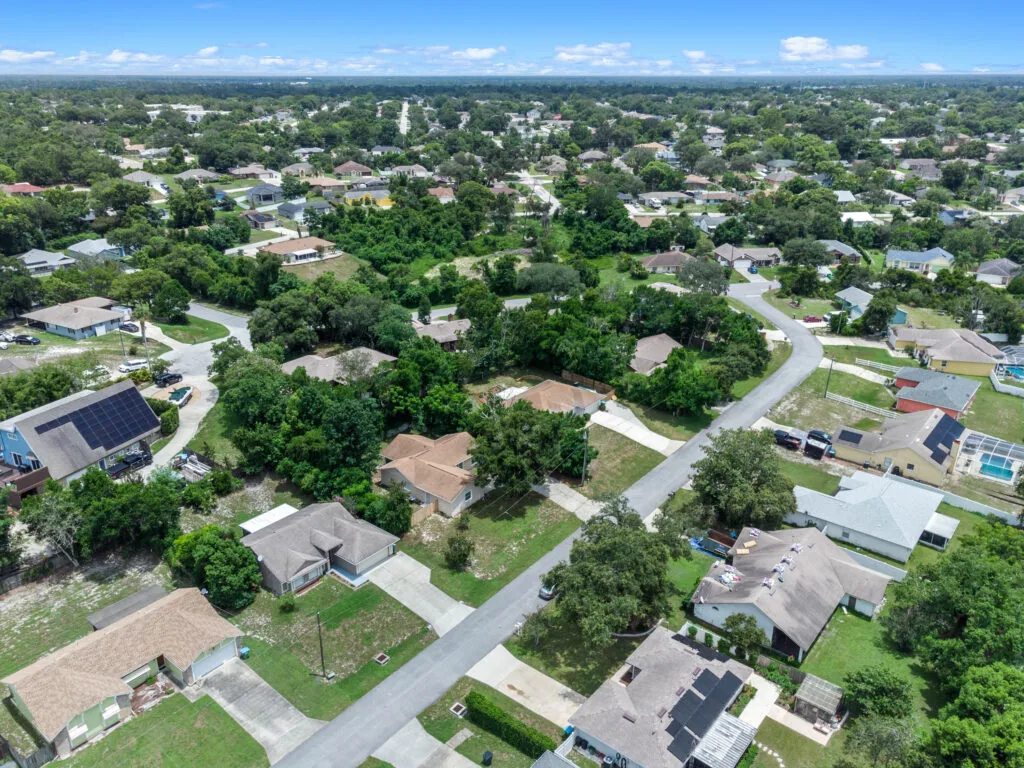
Commercial Roofers Deltona documents the roof before it quotes the work, so every scope starts from what is actually on the building.
Ready to Review Your Roof?
Tell us about the building, the roof and what you are seeing. We will outline the next practical step, whether that is an inspection, a repair scope or a replacement plan.