Commercial Roof Asset Management in Deltona, FL
Roof condition records and maintenance planning for Deltona commercial properties, with site-level histories, repair priorities and wet-season decision dates.
A work order that says recurring leak tells a property owner little about what to fund next. The roof record needs the affected section, prior repair, moisture findings and the condition that remains after the crew leaves. We inspect each roof, document the assembly and keep those observations connected to a next action. That gives ownership a usable picture of exposure before the next storm turns a deferred item into another interior call.
Deltona's commercial roofs serve neighborhood retail, medical offices, schools and flex uses in a largely residential, mostly built-out city. A portfolio may span different roof systems and occupancy schedules, even when the buildings sit along familiar corridors like I-4 or Howland Boulevard. Asset management starts by recording what each roof actually has, not by assigning one system or condition to every address.
Roof Register: Connect Every Finding to a Building
For each property, we record membrane type, known layers, slope, drainage, penetrations, edge details and access limits. An inspection adds photos, visible defects, moisture results and any areas that could not be checked. When a stain appears inside, we map the likely roof zone and note whether the water path is confirmed. The distinction keeps a manager from ordering a replacement when a focused repair would do, and from repairing a stain when the entry point is elsewhere.
At Deltona Village, the plan for Howland Boulevard combines retail, medical-office and flex use, which is why operating context belongs with the roof data. A commercial roof inspection provides site-level observations; condition reports with photos make findings easier to review later. We keep the record tied to its building so that a drain layout or repair at one site is not carried into another site's file.
Access notes matter in the record. We note keys or escorts needed, roof hatch location, delivery restrictions and who can approve a shutdown. If equipment service changes a penetration, the owner can add the date and responsible trade to the file before the next inspection.
When work is completed, the register should show the repair area, materials, remaining defects and recommended follow-up. A maintenance visit can recheck the detail and drainage after the next rain. The owner sees which action is complete, which is still deferred and what information could change the recommendation.
Condition Trend: Separate Repeat Failure From a New Leak
A new stain near an old repair does not always mean the same detail failed again. We compare the current roof and interior report with dated photos, prior scope and moisture conditions. If water entered at a different point, the record should show that change rather than extending the old work order. If the cause is still unclear, the record names the one test that would settle it before the owner approves a wider repair.
Deltona's yearly rain, 51 to 53 inches, falls mostly in June through September. A condition log can show whether an issue appears after ordinary rain, returns at one drain or expands across a roof section. That chronology helps a manager rank work by exposure. Those findings feed a capital plan that carries a decision date, and a multi-site program keeps report fields consistent across buildings without combining their conditions.
Charley's 2004 path ran straight through Deltona, with Frances and Jeanne hitting the city as well. The event history supports a pre-season perimeter review, but asset records should list only conditions found at each property. A wind-related roof inspection can document loose edges or opened flashing when those details are present.
Owner Review: Put the Next Decision Beside the Record
A roof file earns its place when it answers what needs attention, what can wait and what happens if the owner delays. We identify active leaks, wet insulation, edge repairs, drainage issues and areas that remain serviceable. The owner can then compare tenant exposure, access needs and reserve timing before setting a work order. A note that only says to monitor the roof leaves the next manager without a date to act.
Site access and scheduled visits can be organized from the point where SR 472 reaches Howland Boulevard near I-4. A Howland Boulevard service-area record can accompany the property file, while the building address and actual entrance remain the basis for dispatch. A property management company can use the record to coordinate tenant notices, approvals and work windows across occupied spaces.
When a property changes hands, the file should carry forward the date and limits of every inspection, the section repaired and any condition that was not tested. We can record whether a prior patch remains visible, whether insulation was removed and what access limits applied during the visit. Those notes help a new manager compare a later leak with the old repair instead of treating the roof as an unknown surface. If records conflict, we identify the discrepancy and inspect the roof before relying on a material assumption.
If repair is deferred, the record should state what is exposed and which observation will trigger a new review. If replacement is recommended, it should show moisture boundaries, system condition, drains and edge details behind that decision. This lets a new asset manager review the rationale without relying on a verbal handoff from the prior owner.
Portfolio Calendar: Set Reviews Before the Rain Window
Deltona's concentrated summer rain can compress inspection, material and repair schedules. We help owners set pre-season review dates and prioritize roof sections that have an open detail, slow drainage or moisture awaiting a decision. The file can also identify who approves access and who receives the closeout photos. That keeps routine observations from disappearing when staff or ownership changes.
For emergency water entry, crews respond around the clock, including holidays. We first limit interior exposure and secure a temporary condition, then document permanent repairs once the assembly can be assessed. A roof survey file can help a new owner understand condition before a transaction, and an owner can keep the same evidence with capital assumptions. Each roof still receives its own inspection and recommendations.
At closeout, we list the repairs completed, materials installed, remaining defects and next review date. The record becomes useful when another leak occurs because staff can compare the location and conditions with the earlier repair. That is the owner's side of the table: one file that supports the next decision without confusing one building's history with another's.
Commercial Roofing Questions
What should a commercial roof asset record contain?
Keep the roof map, system details, inspection photos, moisture findings, repairs, known warranty documents, access notes and the next review date together. We distinguish observed conditions from assumptions and identify missing information that could change a future scope.
How can an owner tell if a reported leak is recurring?
Compare the interior location, roof zone, photos and prior repair limits. Water may appear near an old stain while entering elsewhere. We inspect the current condition and record whether the earlier failure point has reopened or a separate detail needs attention.
Can roof information be standardized across Deltona properties?
Use common fields for system, moisture, drainage, repairs and decisions, but keep every roof map and finding with its own property. We can prepare reports in the same format while keeping the actual assembly and repair limits separate.
When should Deltona owners update a roof portfolio record?
Update it after inspections, repairs, roof access changes or a new leak report, and set a date for any deferred item. Deltona's heaviest rain falls in summer, so pre-season findings should be revisited before that window rather than carried forward without review.
Call with an active leak, a property list or a capital review. We will inspect each roof, document its condition and identify the next repair or decision date.
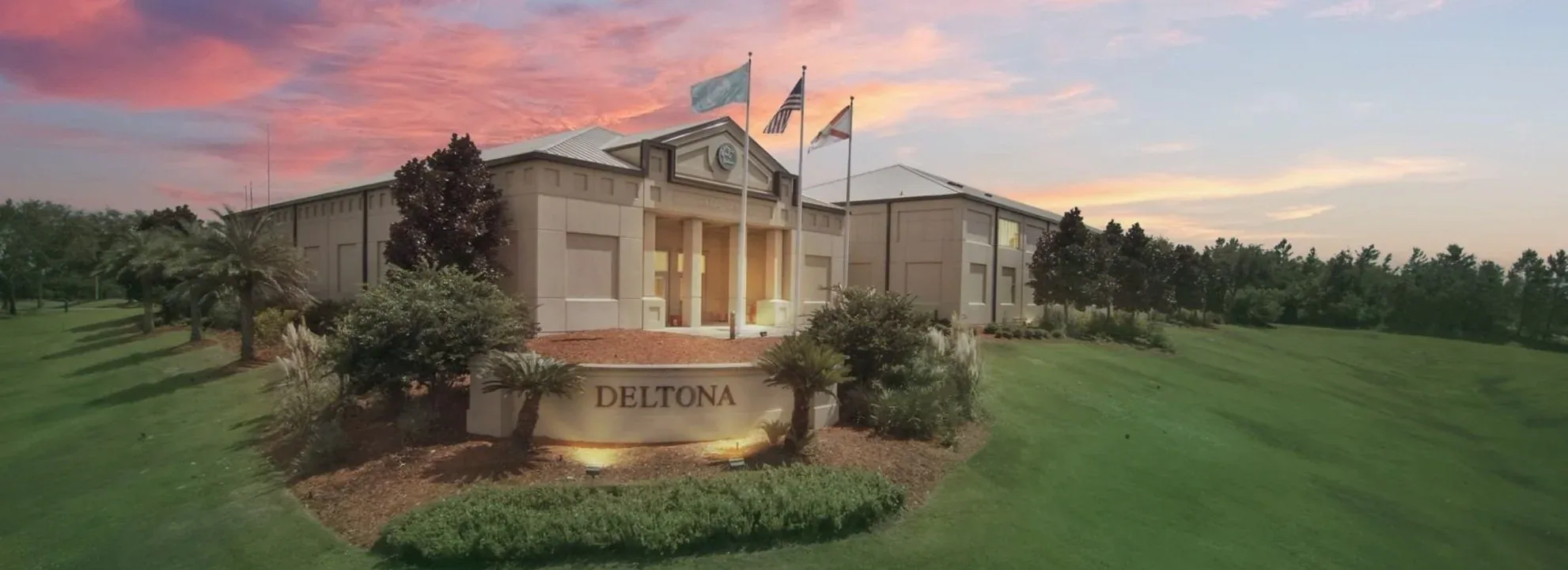
Commercial Roofers Deltona documents the roof before it quotes the work, so every scope starts from what is actually on the building.
Ready to Review Your Roof?
Tell us about the building, the roof and what you are seeing. We will outline the next practical step, whether that is an inspection, a repair scope or a replacement plan.