Commercial Wind Damage Roof Repair in Deltona, FL
Wind damage roof repair in Deltona maps lifted edges, seams and wet insulation, then sets a repair boundary and a clear replacement decision.
A lifted edge can let the next hard rain travel beneath a membrane before anyone inside sees a ceiling mark. In Deltona, that delay matters: summer downpours return through much of June, July, August and September, while a roof left partly open has less room for another weather window. We inspect the perimeter, corners, seams and penetrations first, then trace any water to the insulation and deck. Before the next storm sets the schedule, the owner needs a repair boundary and a temporary protection decision.
In 2004 Charley went directly over Deltona, and Frances and Jeanne hit the city too. That history is a reason to check exposed details before hurricane season. We document what moved, what remains attached and whether moisture has reached beyond the visible opening. Our storm damage response starts by containing current exposure, while commercial roof repair along the Deltona I-4 corridor can be planned around the building's actual access and operations.
Failure point: Follow the lifted edge inward
Wind damage often starts at a transition rather than across the whole field. A loose termination bar, edge metal, curb flashing or lap may open under suction, and water can then move below the surface along insulation joints. We check the perimeter attachment, corners, wall transitions and rooftop equipment supports, comparing them with interior reports. A stain is a clue, not a roof map. If the moisture boundary extends past the opening, repair quantities need to include the affected insulation and a sound tie-in area.
Central Florida wind can reach roofs well inland. During Charley, gusts of 97 mph were recorded in Longwood and 101 mph in Altamonte Springs. Gusts at that level make a careful review of fasteners, edge securement and cover-board attachment sensible when a roof has been exposed. We can use an on-roof inspection and, when it changes the boundary, infrared moisture testing to separate dry areas from material that needs confirmation.
Metal edges and gutters that secure low-slope membranes must meet wind-design requirements under the Florida code. The actual repair scope and existing assembly determine which details need redesign or replacement. We record the edge condition and provide the quantities for the design and permitting review rather than assume every loose trim piece calls for a roof-wide project.
What waiting costs: Keep water out of the repair boundary
A small lifted corner can keep feeding a larger wet area each time rain finds the opening. Deltona's 51 to 53 inches of yearly rain mostly falls between June and September. When the same insulation remains wet through repeated storms, the owner may face added removal, interior protection and a wider dry-in area. We note which rooms or tenant spaces sit below the affected roof zone, how far the moisture extends and what must be protected while permanent work is arranged.
We first secure an active opening with a temporary measure suited to the assembly and conditions, then price permanent repair after the roof is safe to assess. If the membrane remains sound outside a local failure, a targeted commercial roof repair may preserve serviceable areas. Where water remains in a low area as well as at a tear, a ponding water repair scope needs to address the outlet or slope alongside the membrane. Widespread wet insulation, recurring edge movement or a weak deck may support a larger scope. A photo condition report can show what is active and what belongs in the reserve line.
Waiting also narrows the work window. Material lead time, access approval, lift placement and tenant notices all take time; rain can interrupt an exposed section even when the crew is ready. Put the urgent repair and later replacement decision on separate dates, so the immediate leak does not force an unexamined system choice.
Repair scope: Compare the same roof limits
A useful bid states where removal stops, which insulation is replaced, how the repaired membrane ties into dry material and whether edge metal, flashing or drains are included. It should also show temporary dry-in, interior protection, disposal and any allowance for concealed deck damage. We list these quantities separately so an owner can compare the actual work rather than a short price that leaves the failure point outside the scope.
For a mechanically attached membrane, the fastener pattern and deck condition matter. On an adhered system, bond failure, wet substrate and transition details may drive the repair. A TPO system repair must match the existing membrane and compatible flashing method; another assembly may require a different detail. If existing layers, moisture or deck deterioration make a local tie-in unsound, a flashing repair scope should distinguish the edge termination from the field membrane before replacement is priced.
Roof access around Howland Boulevard, State Road 472 and the I-4 connection can help plan crew arrival and material movement, but the property controls its own gate, parking and operating limits. We confirm those before mobilization. A replacement comparison should identify tear-off, cover board, attachment and perimeter work as distinct decisions, rather than treating every shifted edge as proof that the full roof has failed.
Decision date: Set the next review before hurricane season
Once temporary protection is in place, the next step is a documented decision: repair the isolated detail, expand the work to wet material, or price replacement where the assembly no longer supports a durable tie-in. We photograph the affected edge and interior area, note test locations and list any access or weather limits. That record gives ownership, facilities and property management one scope to review instead of several versions of a verbal description.
Hurricane season and the wet months overlap in Deltona, so perimeter corrections should not sit without an owner and decision date. We identify what can be completed before the next rain, what requires design or approval, and what needs monitoring. The objective is not to predict a storm. It is to avoid carrying a known opening into another season without a clear protection plan. A maintenance visit after the repair can check the affected detail and nearby drains, seams and supports.
When wind has displaced metal or membrane, save photographs and note when the condition was found before cleanup changes the evidence. Our claim documentation support can organize roof observations, repair limits and photos for the owner's file. Coverage decisions remain with the insurer and policy terms. The roofing scope stays focused on what the assembly needs and what can be established at the property.
Commercial Roofing Questions
Which roof areas should be checked after a wind event?
Start with perimeter metal, corners, wall transitions, membrane seams and equipment supports, then trace any interior water to the roof area above it. We photograph displaced material and test moisture where it could change the repair limit. The owner can then decide whether the work is local or needs a broader removal boundary.
Does a lifted edge mean the whole roof needs replacement?
Not by itself. The decision turns on attachment, deck condition, wet insulation and how far the failure extends. We map those conditions and price a repair when sound material allows a reliable tie-in. If moisture or repeated movement reaches across the assembly, the bid should show why a wider scope is being considered.
Can temporary protection stay in place through the wet season?
Temporary cover is an interim control, not a substitute for a permanent repair plan. We explain what the material can protect, what weather or access limits apply and when the roof should be reassessed. The owner should set a decision date rather than carry an open detail without inspection.
What should a Deltona owner give the roofer after wind damage?
Share the area where water appeared, when it was noticed, any safe photographs and the building's access limits. Charley crossed Deltona, but the current roof must be inspected on its own. We use the reported location to guide the roof walk, then document conditions before preparing repair quantities.
Call with the leak area, roof access limits and any photographs taken after the wind. We will trace the failure, map the wet boundary and give you a repair or replacement scope tied to the assembly.
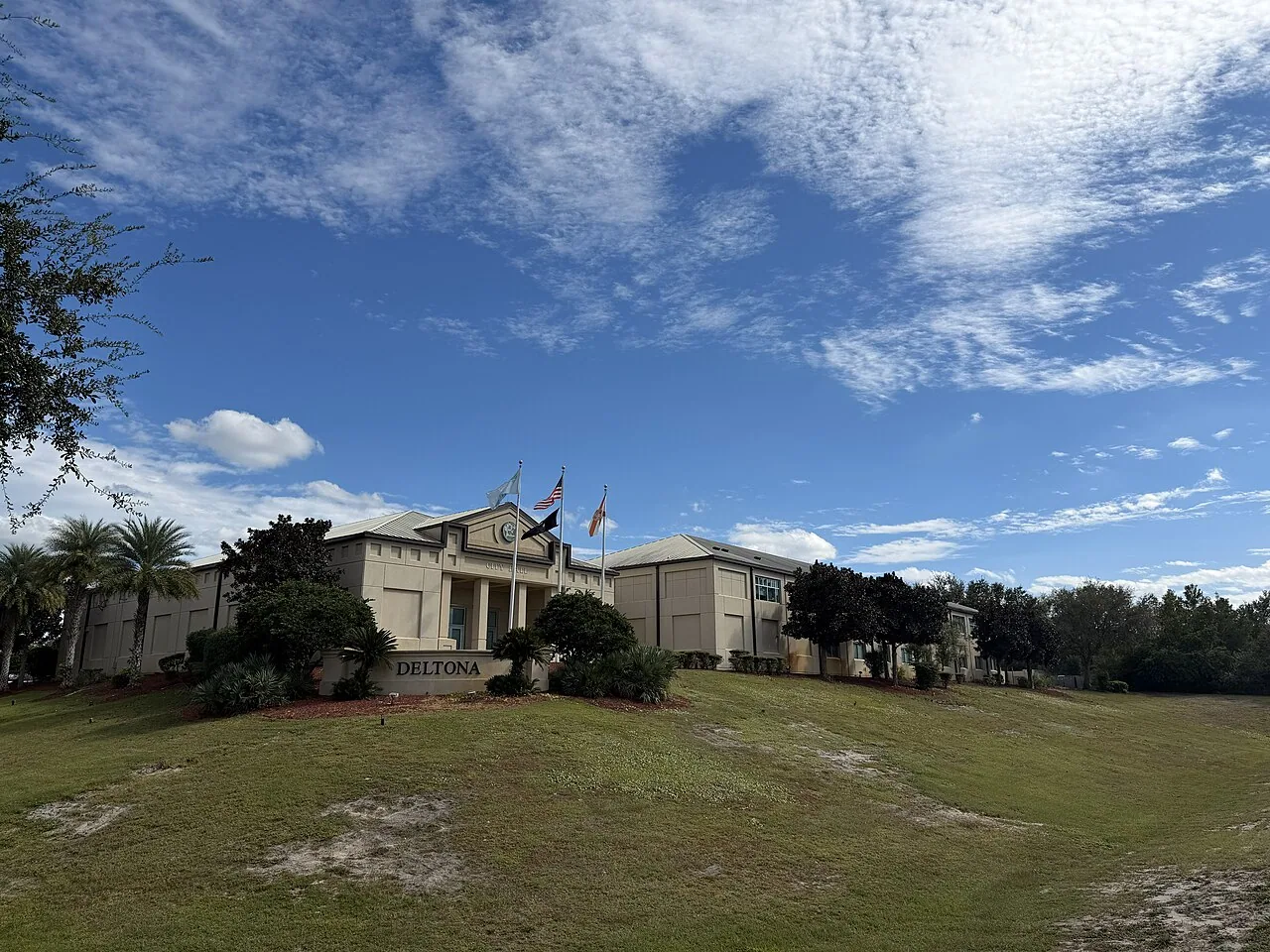
Commercial Roofers Deltona documents the roof before it quotes the work, so every scope starts from what is actually on the building.
Ready to Review Your Roof?
Tell us about the building, the roof and what you are seeing. We will outline the next practical step, whether that is an inspection, a repair scope or a replacement plan.