
Commercial Roofing for General Contractors in Deltona, FL
Roofing scopes for Deltona general contractors, with bid quantities, trade handoffs, occupied-building phasing and code review for wet-season work.
A roofing bid that leaves curb flashing, wet insulation or temporary dry-in undefined can become a schedule dispute after demolition starts. The GC needs a roof scope that states quantities, handoffs and what happens if the assembly differs from the drawings. We inspect the existing condition, mark the repair boundary and return a proposal that separates base work from concealed-condition allowances. That lets the project team compare bids before the roof becomes the critical path.
Deltona's commercial work serves neighborhood retail, medical offices, schools and flex uses, with Howland Boulevard and I-4 shaping local access. Rain is concentrated in the summer months, so staging and daily closure matter as much as material. We coordinate roofing scope with the GC's schedule while keeping field decisions tied to the roof assembly and the condition actually exposed.
Bid Set: Make Roofing Quantities and Exclusions Visible
Plans may not show the layers, moisture or curb modifications that an inspection finds. We identify membrane, insulation, deck, drains, parapet transitions and perimeter details, then state which quantities are included. The proposal can separate removal, replacement board, flashing, edge metal, disposal, lifts and temporary cover. If a concealed condition requires a change, we document it before covering the area and route it through the GC's approval process.
Before mobilization, we can agree on inspection hold points, submittals, protection of finished surfaces and the record needed for each concealed condition. The GC can set how requests are priced and approved, while the roofer identifies the roof detail and quantity affected. That keeps field work moving without obscuring the change to the scope.
On an occupied building, a roof section cannot stay open while another trade waits. We identify the daily work limit, access route, equipment shutdown, noise window and the person who can authorize a field adjustment. A phasing sequence can connect roofing steps to tenant or owner access. Before the GC locks the schedule, a pre-bid roof review separates what the drawings assume from what the roof shows.
Single-ply, modified bitumen, built-up, metal and coating systems all show up in GC bid sets, and the specified assembly needs to suit deck, slope, existing layers, attachment and drainage. A TPO system scope should state its edge, curb and penetration details, not just the membrane area. The GC can then compare system quantities and sequence with the rest of the project.
Trade Handoff: Close Every Opening Before the Next Crew
Mechanical, electrical and plumbing trades can cut, move or abandon roof penetrations during a renovation. The roofing task should identify who removes a unit, who protects the opening, who installs the curb and who completes the permanent flashing. We review the handoff with the superintendent and state when the roof is ready for the next trade. Photos before and after equipment work help resolve a leak question without relying on memory.
State Road 472 reaches Howland Boulevard near I-4, a useful access reference for crew and material planning. The project site still sets truck routes, gate control and staging. A Howland Boulevard area schedule can help coordinate a local work window, while the GC confirms exact access with the owner. A property manager may also need notice and closeout records if occupants remain during construction.
When the roofing scope overlaps a public facility or funded project, documentation and approvals should remain clear. We provide quantities, material descriptions, progress records and closeout details for the GC's project file. A public agency project may have its own review sequence; we do not assume the same approvals apply to every job. The prime contract and the building condition determine what is required.
Code Threshold: Review the Full Work Area Before Pricing
The 2023 Florida Building Code, Eighth Edition, went into effect at the end of 2023 and revised wind speed maps and referenced standards. That edition extends current code across the whole roof when a year's repairs, replacement or recovery pass 25 percent of its area, except for an existing roof from the 2007 code or later. The design and permitting professionals should check the rule against the project area and known prior work before a phased scope is accepted.
Volusia County projects use the general wind provisions of the Florida code, rather than High Velocity Hurricane Zone protocols limited to Broward and Miami-Dade. Metal edges and gutters that secure a low-slope membrane still need appropriate wind design and specified testing. These details go into the roofing proposal, and technical questions go to the architect or engineer, whose design review a bid does not replace.
Annual rain in Deltona averages 51 to 53 inches, mostly June through September. A sequencing delay can leave exposed insulation or a temporary repair under repeated storms. We note the dry-in material, daily closure, forecast trigger and person responsible for the decision to stop. A roof condition record can show what was observed before the work and what changed after tear-off.
Schedule Control: Protect the Roof at Each Shift End
Three hurricanes touched Deltona in 2004, Charley passing directly over the city. Before the wet months, we review exposed edges, corners, penetrations and existing repairs, then identify actual conditions requiring attention. For a project in progress, the crew needs a secure closure at every shift end and a material plan that fits the forecast. The GC can adjust sequence before rain arrives rather than improvising over an open roof. On a phased job we also send a short written status at the end of each week: sections closed, sections still open and anything found under the old membrane, so the superintendent can update the look-ahead schedule.
For emergency water entry, our crews respond around the clock, including weekends and holidays. We first reduce interior exposure and establish a temporary condition, then complete permanent work after the roof can be inspected safely. A replacement sequence should coordinate tear-off limits with insulation, mechanical access and inspection hold points. A closeout file can record installed work and remaining items for the owner.
DeLand is Volusia County's seat and Deltona its largest city, with I-4 and other county routes linking work areas across the county. We confirm actual site access, deliveries and work hours with the GC, then price the scope so roofing handoffs are visible from preconstruction through closeout.
Commercial Roofing Questions
What should a general contractor require in a roofing bid?
Match the roof plan, quantities, insulation, deck allowances, curb and edge details, drains, removal, dry-in and exclusions. We state how concealed conditions will be documented before added work proceeds. The GC can compare price and schedule while knowing which scope assumptions may change after tear-off.
How should the roofer coordinate with mechanical trades?
Assign responsibility for shutdowns, unit removal, temporary protection, curb work and final flashing before equipment is lifted. We photograph the exposed area and identify when the roof is ready for the next trade. The superintendent should have a contact for approval if removal reveals moisture or deck damage.
Can a GC phase roof work across multiple months?
Yes, but the total repair or replacement area within 12 months can affect code obligations. We document the proposed quantity and known prior work for the design team to review before dividing the project. Each phase still needs a safe closeout and a clear temporary condition.
When should Deltona project teams plan around summer rain?
Set a daily dry-in limit and forecast trigger before work begins, especially as the June-through-September rains approach. Charley crossed Deltona, so perimeter repair belongs in pre-season review. We identify the person who can stop work and the materials needed to secure the section.
Call during preconstruction or when field conditions change. We will review roof quantities, identify trade handoffs and give the project team a documented scope and dry-in sequence.
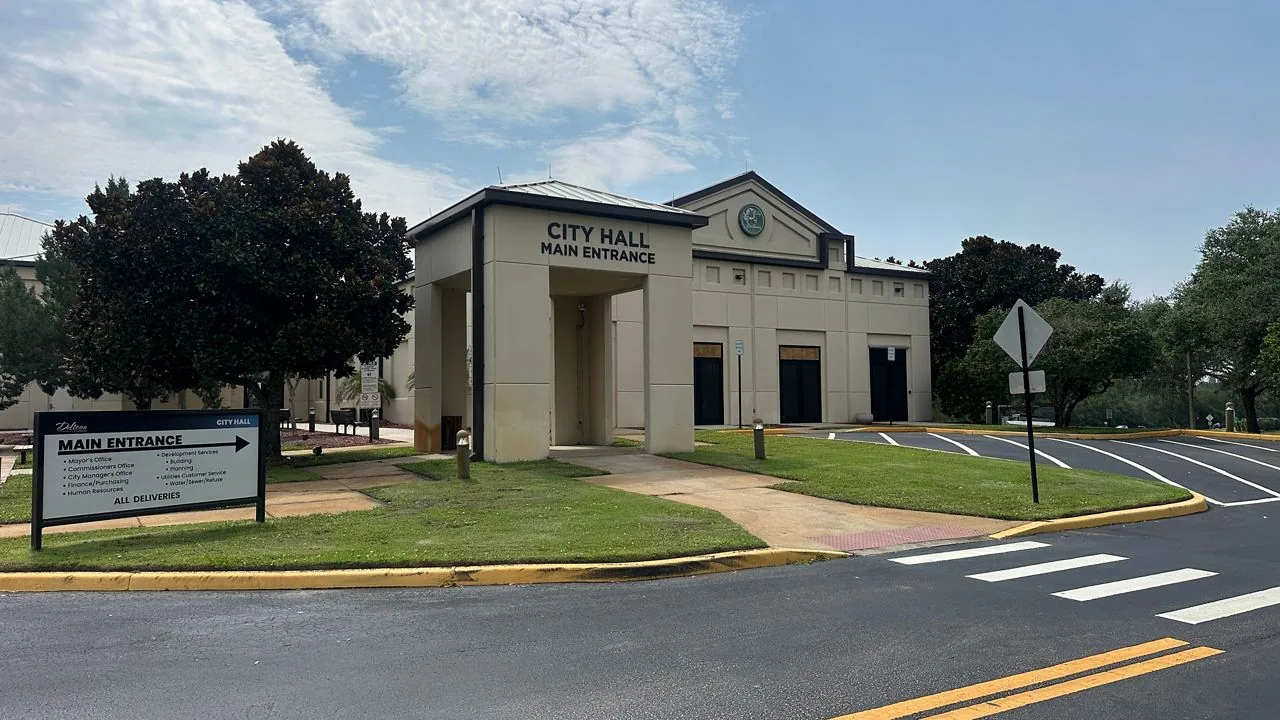
Commercial Roofers Deltona documents the roof before it quotes the work, so every scope starts from what is actually on the building.
Ready to Review Your Roof?
Tell us about the building, the roof and what you are seeing. We will outline the next practical step, whether that is an inspection, a repair scope or a replacement plan.