
Holcim Elevate Commercial Roofing in Deltona, FL
Plan Holcim Elevate roof repairs and replacement in Deltona, with system identification, moisture review, edge details and occupied-building timing.
After the surface dries, a recurring ceiling mark may still point to a detail that is open above the insulation. A Holcim label tells the owner where to begin looking, but not whether the roof is EPDM, TPO, PVC or a later assembly with repairs from another system. We inspect the membrane and transitions, trace the water path and identify the work needed before a proposal assumes the wrong material or repair boundary.
Deltona gets long summer stretches of heat and rain, and occupied buildings near Howland Boulevard may have limited roof access windows. Under a roof at Deltona Village, where retail, medical office and flex were all planned, the operating need changes from tenant to tenant. We keep those conditions tied to the specific building when planning the repair.
Membrane and Edge: Find the Detail That Has Moved
Holcim Elevate, formerly Firestone Building Products, has commercial low-slope systems that include EPDM and thermoplastic membranes. We record what the roof actually contains, including attachment, insulation, cover board and visible accessories. Then we examine seams, flashings, drains, edge metal, curbs and wall transitions. A product label or old invoice helps identify a starting point, but additions and repairs may leave more than one system on the same building.
EPDM seams and accessories are handled differently from welded TPO or PVC details. The repair method needs to match the existing membrane and the condition beneath it. A commercial roof inspection maps the suspect area and nearby transitions. Where damp insulation is possible, an infrared survey can help target further investigation before the owner pays to cover a wet assembly.
We also inspect the roof edge and attachment because wind loads travel through the full assembly, not the field membrane alone. A loose termination, damaged coping or poorly closed penetration can let water and wind reach the layers below. We document the location and condition, then state whether the owner needs a local repair, a broader review or a design decision before work proceeds.
System Path: Repair, Recover or Replace With the Records in Hand
A small opening with sound surrounding material may support a focused repair. Repeated seam movement, wet insulation or multiple patches can change the scope to broader correction or replacement. A recovery should not be selected just because it avoids tear-off: the owner needs to understand retained layers, moisture, attachment and applicable code requirements. We explain what each option addresses and what risk remains outside the proposed work.
When a Holcim Elevate EPDM roof is compared with a Johns Manville assembly or a GAF roof system, align the proposed membrane, substrate, insulation, attachment and flashing details. A EPDM system review can help clarify the existing surface and repair needs; it does not decide that the owner should stay with the same membrane. Building use, wind design, drainage and service history all belong in that decision.
Deltona's mostly residential, built-out setting includes strip retail, medical offices, schools and small flex buildings serving neighborhoods. An occupied medical office may need a different work sequence than a vacant space, even if the roof details are similar. We note equipment shutdowns, tenant notice, staging and access constraints before mobilization. The contractor's scope should show how the membrane transition will be completed and what inspection will verify that the repair is closed properly.
For active water entry, we can make a leak repair while the owner considers a larger reserve decision. A maintenance visit can record drain, edge and flashing conditions for the next review. The work order should identify the building and area repaired so the next manager does not assume a spot fix resolved every roof concern.
Wind and Rain: Do Not Let a Small Opening Set the Scope Later
Charley's 2004 crossing of Deltona, and the arrival of Frances and Jeanne after it, give an owner reason to review edge securement, prior repairs and exposed transitions before hurricane season, especially where a roof already shows movement. If water gets into insulation, the repair area may grow and tenant exposure can follow. An inspection before the season records what is loose now.
The Eighth Edition, effective December 31, 2023, changed wind maps and moved affected provisions to ASCE 7-22. Volusia County sits under the general wind requirements, outside the High Velocity Hurricane Zone protocols, and the project professional confirms the design path. Once repairs, replacement or recovery pass 25 percent of a roof area in 12 months, the entire roof must meet code unless it was built to the 2007 FBC or later. A small-looking reroof can cross that line, so keep the work history on hand before authorizing the next stage.
A leak that opens on a holiday gets a crew, and the immediate protection is documented apart from the permanent work. A condition report with photos can show the failure point, suspected moisture and items needing a second look. For properties close to the Deltona I-4 corridor, schedule material staging and roof access with the manager before a repair window is fixed.
Proposal Details: Keep Membrane Materials and Scope Specific
Require the proposal to name the membrane family where it is known, repair material, surface preparation, attachment and flashing transitions. Ask whether wet insulation is included for removal or treated as a concealed condition, and how the crew will handle edge metal, drains and existing penetrations. The work area and exclusions should be marked. If a proposal leaves the substrate unconfirmed, the owner should know what approval will be needed if removal exposes more damage.
A manufacturer's name tells an owner little about warranty coverage, system age or who installed the roof. Keep actual submittals, service tickets, inspection reports and coverage documents in the property file. A warranty record review can organize the terms and reporting requirements, while a capital planning review can help the owner set a decision date for replacement work. The contractor should state what it can document and which question belongs with the manufacturer or design professional.
At completion, request photos of the repair boundaries, seam work, flashing and restored access areas. Record any condition left for later review and the date it should be checked again. That gives the property manager an accurate service history if a leak returns after heavy rain.
Access Plan: Get the Owner's Window Before the Storm Calendar Tightens
Schedule inspection, moisture review and approvals before summer downpours repeatedly test an open detail. If an urgent leak cannot wait, protect occupied space while keeping the permanent repair decision visible. Agree on roof access, escorts, equipment service and tenant notice before the crew arrives. A defined window can prevent a repair from being delayed by avoidable coordination once materials are ready.
Howland Boulevard connects to the I-4 side of Deltona, where commercial buildings may have different delivery routines. Set a decision date for any uncertain area and keep the repair map with the property file. Call ahead of heavy rain or hurricane season with the manufacturer documents, roof photos and access needs. We will inspect the assembly and put the next action in writing.
Commercial Roofing Questions
How do we identify a membrane from this manufacturer on an older Deltona roof?
Start with visible markings, prior submittals and repair records, then compare those details with the roof itself. If later work changed the assembly, we record that difference instead of treating the whole surface as one system.
Can a Holcim Elevate EPDM roof be repaired after another contractor patched it?
It can be evaluated, but the patch material, surface condition and surrounding seam need review. We identify the actual membrane and explain whether the existing repair can remain or should be addressed in the new scope.
Does a manufacturer name confirm warranty coverage?
No. Coverage depends on the actual documents, roof area, terms and service history. Keep the paperwork with current inspection findings and ask the party named in the warranty to review the specific condition.
What should a proposal say about hidden moisture?
It should explain what testing is included, how wet material will be confirmed and removed, and how concealed conditions will be priced and approved. That keeps the owner from mistaking a surface repair for a dry assembly.
Call before the next heavy rain with the system documents, leak location and access requirements. We will inspect the membrane and transitions, then explain the repair or replacement decision that fits the roof.
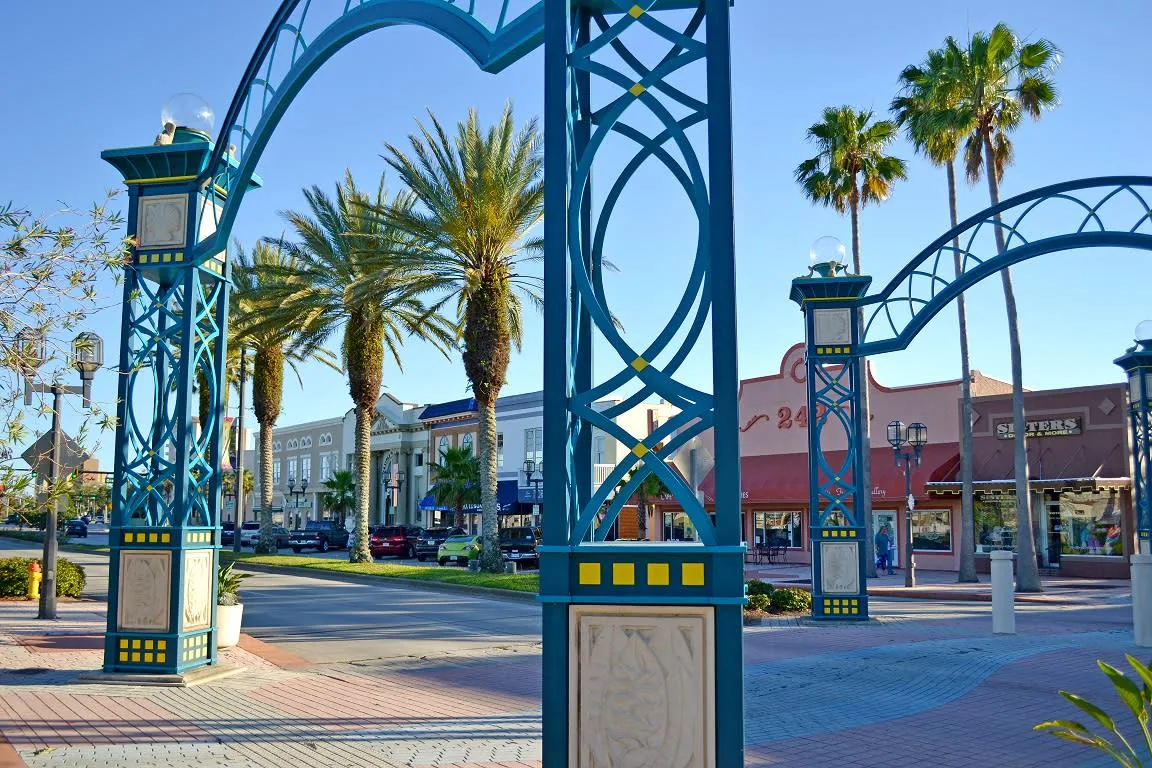
Commercial Roofers Deltona documents the roof before it quotes the work, so every scope starts from what is actually on the building.
Ready to Review Your Roof?
Tell us about the building, the roof and what you are seeing. We will outline the next practical step, whether that is an inspection, a repair scope or a replacement plan.