GAF Commercial Roofing in Deltona, FL
Evaluate GAF commercial roof systems for Deltona buildings, with attention to seams, drainage, flashing, wind exposure and the repair scope ahead.
A membrane edge lifts, a seam opens or a ceiling stain returns after each hard rain. On a GAF roof, the useful question is not only which product is on the building, but where water entered and whether the surrounding assembly remains sound. We inspect the field membrane, seams, flashing, edges and drainage, then describe a repair or replacement scope that fits the roof in front of us. That helps an owner decide what to authorize before wet season adds another round of interior calls.
Deltona's summer rain and heat put repeated demands on low-slope roofs around Howland Boulevard and the I-4 corridor. At Deltona Village, planned for retail, medical office and flex uses, roof access and occupied operations shape how work is sequenced. The fact that a GAF system is present does not tell us its condition; the inspection record does.
Assembly Review: Identify the System Before Pricing Work
We confirm what can be seen about the membrane, attachment, insulation, flashing and prior repairs. Commercial roof systems can differ by assembly even when the surface looks alike. We document seam condition, penetrations, edge metal, drain bowls, curbs and transitions to walls or adjacent roof areas. If a label or record identifies a GAF product family, we keep that information with the observed condition and do not assume a particular warranty, installation detail or service history.
For a GAF TPO or PVC surface, seams and penetrations deserve close review because a leak may begin at a detail rather than across the field. The roof plan should mark each concern, and photos should show both the defect and its surrounding area. An inspection can separate an active opening from a stain whose water path needs tracing. If moisture is suspected beneath the membrane, an infrared moisture survey can help direct further testing rather than turn a roof-wide assumption into a bid.
We also look at the conditions around the membrane: whether water can reach drains, whether equipment supports load the roof properly, and whether prior work left a compatible transition. A detail that is sound today may still be vulnerable if ponding, movement or a later trade has disturbed its flashing. The owner receives the finding, likely repair limit and any information that could change the recommendation before an estimate is prepared.
Repair Choice: Match the Work to the Failure Point
A localized seam or flashing issue may call for a focused repair, while widespread moisture or aged details can change the choice to restoration or replacement. We explain what the recommended work includes, which areas remain outside it and what could be found after removal. If the roof is recoverable, the owner still needs to understand the condition of retained layers and drainage before approving an overlay. A commercial roof repair should state how the crew will prepare the surface and close the detail.
When comparing GAF and Carlisle assemblies, compare the actual property conditions, not just the brand names. Carlisle SynTec systems and Holcim Elevate systems can involve different membrane families, details and accessory requirements. The existing substrate, wind design, building use, warranty record and future maintenance plan all shape the bid. A TPO system review can help organize those technical questions without presuming that a new membrane is the only answer.
Retail, medical-office and flex uses are all planned on Howland Boulevard at Deltona Village. For an occupied property in that mix, the scope should name delivery staging, roof access, tenant protection and any equipment shutdown required. The work plan needs to fit the building's schedule while leaving the membrane details accessible for inspection at completion. An owner should know what the crew will remove, what it will retain and what condition would require a price or schedule change.
Local Exposure: Resolve the Open Detail Before Another Storm
Deltona took Charley's direct crossing in 2004 and Frances and Jeanne that same year, which makes a current review of edge securement, perimeter flashing and prior wind repairs useful before hurricane season. If a seam or termination is already open, wind-driven rain can reach the assembly and spread the repair beyond the first visible mark. A wind-damage evaluation should document the roof condition now rather than rely on an old storm account.
We look for the failure point and document what is wet, displaced or deteriorated. When the condition is limited, a leak repair can address immediate entry while a wider capital decision remains open. If moisture or prior repairs extend beyond the apparent defect, a photo-supported condition report helps ownership compare options and set a decision date. Waiting through repeated downpours can add interior exposure and make a later bid harder to keep within the original repair boundary.
For buildings near I-4 or Howland Boulevard, coordinate access and tenant notice before the crew arrives. A good roof scope includes safe access, staging and a plan to keep occupied space protected. Active leaks are answered around the clock, holidays included, and a permanent scope follows once the affected assembly is understood.
Scope and Records: Compare the Same Assembly
Ask each bidder to identify the membrane and areas included, preparation and removal assumptions, insulation work, flashing details, drainage changes and closeout records. If one proposal includes replacement of wet board and another leaves existing layers in place, the owner is comparing different work. Confirm how the contractor will handle field seams, penetrations, edges and transitions, and what inspection will verify the completed detail.
The records should preserve product identification where it is known, along with photos, repair locations and maintenance dates. Warranty coverage comes from the document and the roof's history, not from the brand name. The available documents and the system's condition determine what an owner can request from the manufacturer or administrator. A warranty file review can help assemble the service history, while a maintenance visit records drainage and detail conditions between larger projects.
A product name should not stand in for a project-specific design. Wind uplift, deck, attachment, insulation, edge conditions and code review affect the complete assembly. The roof contractor can document existing conditions and propose a scope; the design professional determines project requirements. For a GAF project, keep approvals and product documentation with the property file so the next repair or replacement review starts from accurate records.
Work Window: Put the Repair on the Owner's Calendar
Schedule the inspection while there is time to confirm access, review moisture questions and compare bids before Deltona's summer downpours return. If work must happen during a wet period, identify the temporary protection separately from the permanent correction. We can plan around tenant use and equipment service, then document the repaired area so the next visit can tell what changed.
Near the Deltona I-4 corridor and Howland Boulevard, the owner may need to coordinate deliveries, escorts or a quiet work window. Set a decision date and name who can approve the next step. Call before heavy rain returns or hurricane season opens, bringing the leak location, roof records and access requirements. We will inspect the assembly and give you a clear scope to consider.
Commercial Roofing Questions
Can you tell which GAF system is installed from the roof surface?
Sometimes the visible membrane or markings help, but layers and later repairs may not be apparent from the surface. We document what can be identified and note where records or a closer investigation are needed before the owner chooses a repair system.
Does a GAF name mean the roof repair is covered?
The brand alone does not answer the coverage question. Review the actual warranty, system area, service history and reporting terms, then document the current condition for the party named in the paperwork.
Should a Deltona owner repair a seam before wet season?
An open seam that allows water entry should be evaluated promptly, especially before repeated summer rain. We inspect the detail and nearby roof area, then explain whether a local repair or wider moisture review is appropriate.
What should a bid include for an occupied GAF roof?
Require a defined roof area, preparation, seam and flashing work, access plan, tenant protection, closeout photos and any assumptions about retained material. Ask what condition could change scope or schedule before approving the work.
Call before the next heavy rain with the roof records, leak location and access needs. We will inspect the membrane and details, then give you a repair or replacement scope tied to the actual condition.
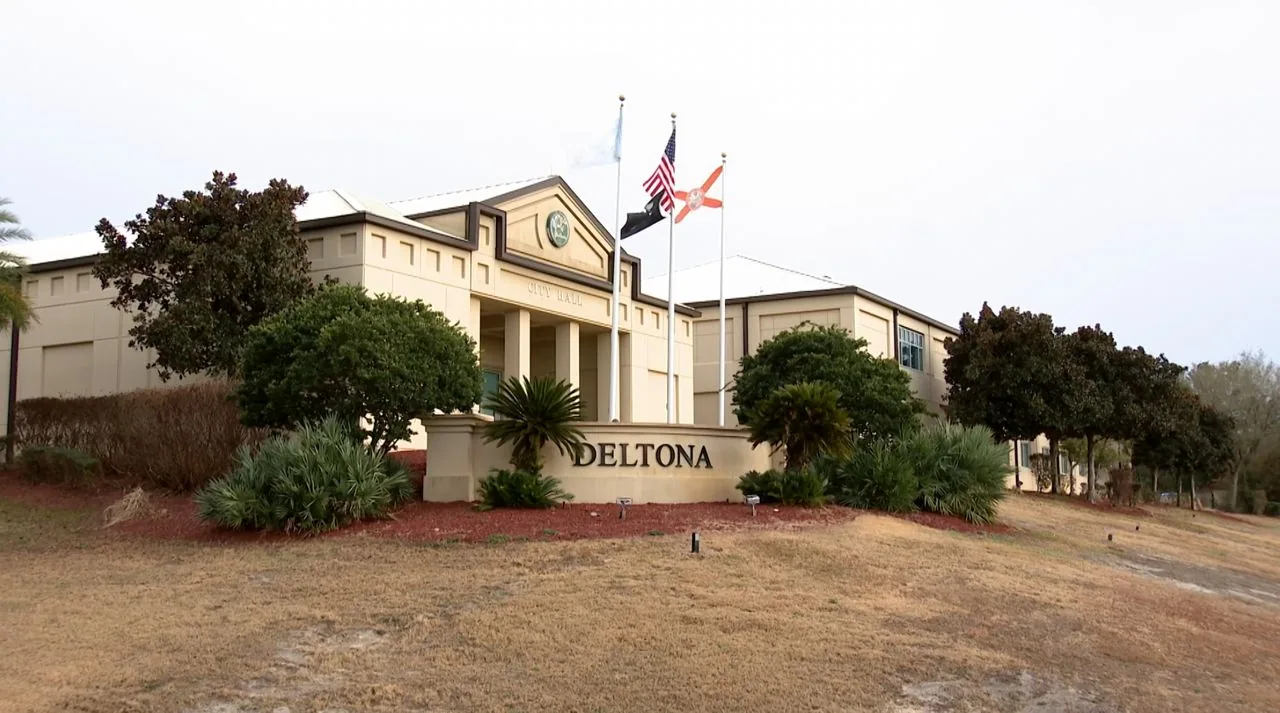
Commercial Roofers Deltona documents the roof before it quotes the work, so every scope starts from what is actually on the building.
Ready to Review Your Roof?
Tell us about the building, the roof and what you are seeing. We will outline the next practical step, whether that is an inspection, a repair scope or a replacement plan.