Government Building Roofing in Deltona, FL
Roof repair and replacement for Deltona, FL government buildings. We document conditions, coordinate public access, and compare phased scopes with code needs.
A leak in a public building can close a counter, interrupt a meeting, or put records and equipment at risk. The ceiling mark is only where water became visible; the opening may be at a seam, curb, drain, or perimeter transition some distance away. We trace that route, document the roof condition, and define which areas need immediate protection. The facilities lead gets a repair boundary and a decision date that can be used in a purchasing or budget review.
Deltona's planning includes healthcare, commercial recreation, warehousing, and light-industrial uses. Interstate 4 follows the city's western boundary, and the Deltona Village plan on Howland Boulevard pairs retail and medical office with flex space. Whatever the building's use, we inspect the actual assembly and coordinate the work around the property's public access requirements.
Condition Record: Build One Staff Can Use
We inspect the membrane or metal panels, seams, penetrations, roof drains, equipment curbs, edge metal, and visible repairs. Interior observations help locate the water path and identify the rooms below. If moisture may extend beyond the stain, a moisture survey can help define wet insulation. The inspection record separates observed conditions from items that remain concealed until the roof is opened.
That distinction matters when a public entity needs to compare scopes. A contained flashing issue may support repair. Repeated leaks, widespread wet materials, or weak attachment can make recovery or replacement the stronger option. We label temporary protection separately from the permanent work so an emergency measure does not blur the capital scope. Where a storm has displaced metal or loosened an edge, a wind damage review records the affected details and likely repair.
Hurricane Charley passed directly over Deltona in 2004. Gusts were also recorded in Longwood and Altamonte Springs. Edge attachment is the first check after wind of that kind, because a failure there can let water beneath a roof field that otherwise appears intact.
Options: Compare Repair, Recovery and Replacement
A local repair is appropriate when the defect is contained and the surrounding assembly remains serviceable. A recovery may preserve an existing roof if the layers, deck, attachment, and drainage allow another system. Our recover review checks that possibility before the scope assumes it. When moisture or deterioration runs too far to draw a reliable repair boundary, replacement becomes the sound scope.
Under Florida's 2023 code, a 12-month tally of repairs, replacement and recovery that passes 25 percent of roof area triggers a threshold review. An older roof, from before the 2007 code, can be held to current code across its whole area after that mark, so we put the implications in front of the approving body while alternatives are open. A condition report gives facilities and procurement a map of observations, options, exclusions, and unresolved conditions.
Public procurement also needs a scope that can be priced consistently. We state roof areas, membrane and insulation work, drains, edge securement, temporary protection, disposal, and how concealed damage will be approved. Where alternates are useful, they should compare the same area and condition assumptions, not different levels of completion.
Public Access: Keep Routes Available
Before mobilization, we confirm operating hours, public entrances, accessible paths, roof access, and staging. We identify rooms or routes below the work zone and whether the public can use them while roof work proceeds. If a lift, material delivery, or temporary closure is needed, the location and time should be known in advance. A facilities contact can then communicate the restriction and approve a change when a concealed condition expands the work.
State Road 472 terminates near Howland Boulevard at the northwest edge of Deltona, and State Road 415 runs along the southeast boundary. We verify gates, loading, and material routes on the property. A project near the Deltona I-4 corridor needs site-specific access and public-safety controls.
For an occupied site, phased reroofing establishes work zones, notices, and the daily close-in point. If public services operate through a lobby or counter, we sequence above those areas only when the protection and schedule are agreed with the facility contact.
Specification: Name Roof Details That Can Be Reviewed
A proposal should identify the assembly, attachment, flashing at penetrations, drain path, and perimeter treatment. TPO roofing and modified bitumen have different seams and repair details. The roof choice must also suit the deck and drainage. We explain which details are included and where another trade must coordinate, particularly around mechanical equipment or electrical lines.
Deltona's rain is concentrated from June through September, and average daily highs reach about 92 F in July. Those conditions make a workable weather window and secure close-in important. We sequence the scope so an open area can be protected and sealed according to the assembly requirements, and state what happens when weather changes the work window.
Properties with different building uses may need different access plans. Office roof planning addresses tenant and equipment access, while school building work may follow a calendar with periods of higher occupancy. The scope for a government property rests on its own roof and its public operation.
Bid Review: Make the Scope Accountable
Compare proposals by mapped work area, tear-off limits, insulation replacement, perimeter securement, drainage, temporary protection, and concealed-condition procedures. Ask how roof access and public routes will be maintained and what portion of the building may need a temporary limit. We identify exclusions and allowances in plain terms so an approving body can see the difference between repair and a larger assembly replacement.
A Howland Boulevard-area roof inspection documents the specific property's membrane, edges, and drainage. Warehouse roofs and medical office roofs pose other operational constraints, which is why the municipal scope is written for the building itself.
Request a roof review before the next heavy rain or hurricane season. The walk defines the condition, explains the code and work-area decisions, and produces a scope that can move through review without hiding the assumptions.
Commercial Roofing Questions
What should a public roof inspection document?
The record should show the roof assembly, observed defects, moisture limits, drains, edges, penetrations, and areas that remain unconfirmed. We separate immediate protection from permanent recommendations and identify any code or access decisions that affect the scope. That gives facilities and procurement a common basis for comparing proposals.
Can public access continue while repairs are underway?
The work zone, overhead exposure, and available access routes determine what can remain open. We plan staging and temporary restrictions with the facility contact, then identify how each area returns to use. If a public entrance must move or close for a period, the scope should state where and when before mobilization.
When should a government roof be replaced instead of repaired?
Wet insulation across a broad area, repeated leaks, poor attachment, or a code threshold can push the decision past a local repair. We map the serviceable and damaged areas and price repair, recovery, and replacement on the same assumptions. Work that accumulates across a year, and the code history of the roof, belong in that comparison.
How do you handle hidden damage after tear-off begins?
We identify in the proposal what will be inspected after opening, who can approve added work, and how the change will be priced. A roof section should not expand without a documented decision. That process lets the owner weigh the newly exposed condition against schedule and available alternatives.
What belongs in a roof bid comparison?
Compare roof areas, assembly, tear-off, insulation, drainage, edge details, protection, public access, and close-in. We list exclusions and allowances so procurement can see whether competing prices cover the same work. The condition record can tie each proposed item to an observed roof condition.
Call to document the roof condition, access limits, and code decision points. We will separate immediate protection from the permanent work and show the scope assumptions.
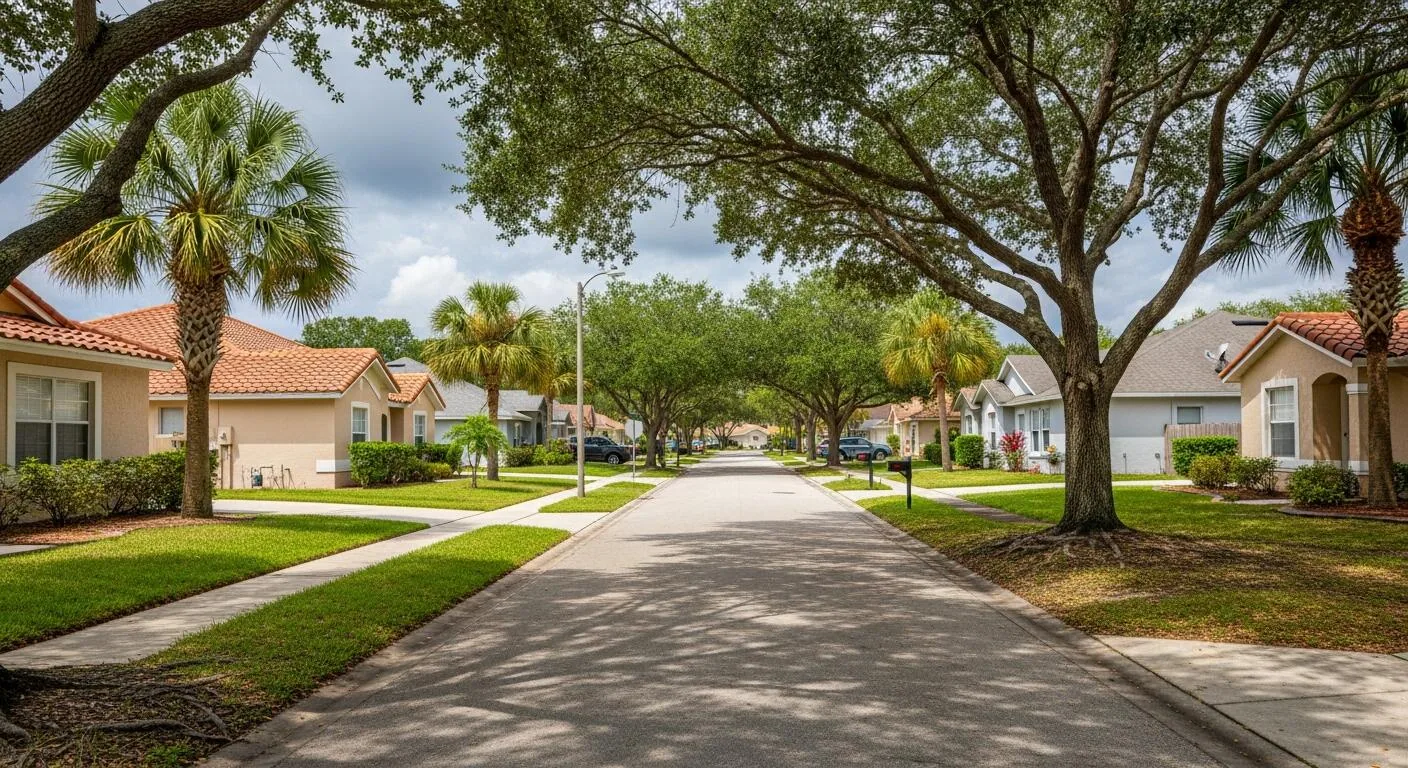
Commercial Roofers Deltona documents the roof before it quotes the work, so every scope starts from what is actually on the building.
Ready to Review Your Roof?
Tell us about the building, the roof and what you are seeing. We will outline the next practical step, whether that is an inspection, a repair scope or a replacement plan.