Senior Living Roofing in Deltona, FL
Senior living roof repair and replacement in Deltona, FL. We plan phased work around residents, staff access, rooftop equipment, and wet-season exposure.
Water entering above a resident room or shared corridor calls for a careful work boundary. Water may follow a roof deck before it appears indoors, and the visible mark can be far from the opening. We trace the path, inspect the nearby membrane and flashing, and map any wet insulation. The temporary protection is written apart from the lasting repair, which lets the building team plan access and resident notices around a defined scope.
Deltona's designated land uses include healthcare and lodging, and medical-office space was part of the Howland Boulevard plan for Deltona Village. Residents are home all day, so the roof condition, resident access limits, and sequence are set property by property. We work with management to set those boundaries before another stretch of summer rain adds exposure.
Resident Boundary: Set It First
We coordinate with the administrator or facilities contact to identify quiet areas, entrances, dining or activity schedules, and any room that should not sit beneath active roof work. A phased repair can keep unaffected areas available, but the sequence must account for overhead work, debris control, and a safe route for staff and residents. We mark active zones and the point when a room can return to use.
Roof access also needs a clear plan. Equipment, ladders, material staging, and service traffic should not cross resident routes without approval. Management should know where a temporary restriction applies and who can release it. Our occupied-building reroofing plan sets notices and protection alongside the roof work, rather than leaving those details to a day-of conversation.
Deltona Village was planned with medical-office and retail uses along Howland Boulevard. Work in a mixed-use corridor like that needs coordination with the people using the building, not just a roof crew. The schedule follows the property contact's actual needs.
Leak Path: Trace Moisture Before Choosing a Repair
A failed seam, loose curb flashing, puncture, or drain detail can admit rain and wet insulation before a ceiling shows a stain. Water may move along framing and appear in a resident room separated from the roof defect. We compare the interior report with the membrane and surrounding transitions. A moisture survey can help locate wet material, while leak repair addresses the entry point and damaged assembly.
We also check the roof field, drains, scuppers, perimeter metal, equipment supports, and prior repairs. A roof that holds water or has repeated patching may need a broader assessment than the newest stain suggests. The condition record identifies what is dry, what is wet, and where the inspection could not confirm the substrate.
Deltona's hot months reach mean daily highs around 92 F in July, and most annual rain falls between June and September. A small opening can remain exposed to repeated downpours if the decision waits through the wet season. We identify immediate protection, replacement needs, and the decision date.
Options: Compare Repair With a Broader Scope
A contained flashing failure may support a repair when surrounding membrane and insulation remain serviceable. Repeated leaks, broad wet areas, or poor attachment can change the choice. Recovery may keep a sound existing assembly in place, but the layers, drainage, and substrate need to allow another roof. Our recover assessment checks those conditions before the owner compares bids.
Replacement gives a path to remove wet material and address drainage or edge details across a larger area. It also brings tear-off, noise, material movement, and temporary exposure that should be divided into manageable phases. We identify the work zone for each phase, where protection sits, and how the daily close-in will be checked. The administrator learns before work starts who approves an expanded area if concealed damage turns up.
Once a year's repairs, replacement or recovery cover more than a quarter of the roof, Florida's 2023 code can require the whole roof to comply, with a carve-out for roofs built to the 2007 code or later. We flag that condition before multiple small scopes accumulate. The condition report records the observed roof areas and the options tied to them.
Roof Details: Check Edges, Equipment and Water Flow
Senior communities may have dining, therapy, residential, and support spaces under one roof. The roof details above those uses still need to be inspected individually. We look at drains, low points, curbs, pipe penetrations, and perimeter transitions, then determine whether roof traffic or equipment access has damaged the membrane. Drain and scupper work joins the scope where water has no reliable path away from the roof.
System selection follows the deck, slope, insulation, attachment, and existing layers. A welded TPO roofing seam and an adhered EPDM roofing seam are repaired differently, and their flashings differ at every curb. We explain how the proposed assembly handles curbs and edges, how maintenance access is preserved, and what conditions would change the price. A smaller care building raises access concerns much like medical-office roof planning, while a larger campus brings the layout questions found in hospital roof work.
Charley's 2004 passage over Deltona sent strong gusts through Longwood and Altamonte Springs as well. After a wind event like that, perimeter securement is the first check, particularly where edge metal or a termination has lifted and could admit driven rain.
Staff Schedule: Make It Usable
Before mobilization, we confirm building access, roof entry, a material staging location, resident notice requirements, and the contact who can release a work area. The administrator can identify meal, activity, and care schedules that affect where equipment or noise may be present. Roof removal is capped each day at what the crew can close in, so an afternoon turn in the weather cannot expose more roof than planned.
Deltona's western boundary runs along Interstate 4, and State Road 472 comes in at Howland Boulevard on the northwest edge. We verify the property's loading and access route with the site team. A roof project near the Howland Boulevard commercial area still needs a plan based on that property's resident and staff routes.
Bid comparison should include removal limits, replacement layers, edge work, drainage, equipment flashing, temporary protection, and what happens if hidden damage appears. Warehouse roofing scopes address different staging and traffic patterns, which is why this recommendation stays specific to resident use and the actual roof.
Commercial Roofing Questions
Can residents remain in place during roof repairs?
The facility can often keep unaffected areas in use when the work zone, overhead activity, and access route are planned. We coordinate with management to identify rooms that need notice or a temporary restriction. The sequence states where the crew will work, what protection is used, and who confirms that an area can return to service.
How do you keep noise and access from affecting care routines?
We use the administrator's schedule to sequence roof zones and avoid routes or time periods that cannot be interrupted. Some work may require a temporary room or entrance limit. We identify that before mobilization and adjust the daily work area when the building's needs change, provided the roof can still be safely protected and closed.
What if a leak appears far from the roof opening?
Water can run through insulation or along framing before it turns up on a ceiling. We compare the reported room with roof seams, curbs, drains, and nearby penetrations. Moisture testing can help map wet material, and the repair follows the actual entry path rather than the interior stain alone.
When does roof replacement make more sense than patching?
Repeated failures, broad wet insulation, or weak attachment may signal that local repairs are no longer enough. We document what remains serviceable, what must be removed, and how code thresholds affect the scope. That comparison gives ownership a defined reason to choose repair, recovery, or replacement.
What should a senior living roof proposal include?
It should identify work zones, resident protection, access limits, daily close-in, wet-material assumptions, flashing and drainage details, and the process for approving concealed conditions. We make those items visible so management can compare the roof scope with building operations before approving the work.
Call to review the leak path, resident access, and work sequence. We will separate immediate protection from permanent roof work and define the approval points.
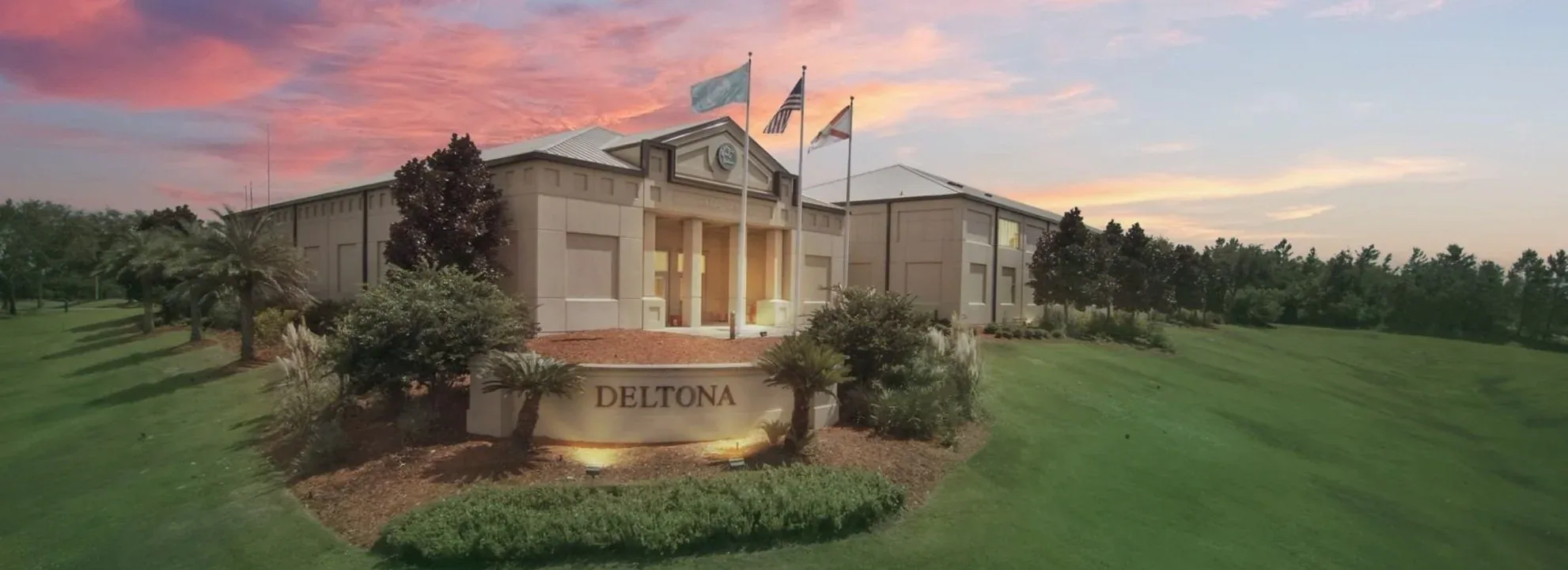
Commercial Roofers Deltona documents the roof before it quotes the work, so every scope starts from what is actually on the building.
Ready to Review Your Roof?
Tell us about the building, the roof and what you are seeing. We will outline the next practical step, whether that is an inspection, a repair scope or a replacement plan.