
Commercial Roof Flashing Failure Repair in Deltona, FL
Flashing failure repair in Deltona traces water at curbs, walls and penetrations, then defines a compatible tie-in, interior protection and repair boundary.
A gap at a curb or wall can send water under an otherwise serviceable membrane, where it follows the deck before reaching a ceiling. The visible stain may be several feet from the flashing failure, and the next hard rain can enlarge the wet area while the owner is deciding whether to patch or replace. We inspect the transition, test the surrounding assembly where needed and mark the material that must come out. With rain this regular, sealing the first spot without tracing where the water went buys very little.
Deltona sat in Charley's 2004 path, and Frances and Jeanne followed. Those events make perimeter and rooftop transitions worth reviewing before hurricane season. Along Howland Boulevard near Deltona Village, commercial access and building use vary, so the repair plan must fit the actual property. A seam failure review can also help when water appears where a flashing leg meets the field membrane.
Water path: Read the curb, wall and membrane together
Flashing fails when the membrane no longer stays sealed to a vertical surface or when movement pulls a transition apart. We inspect the termination bar, counterflashing, curb corners, pitch pockets and membrane tie-in, looking for open laps, cracked sealant, loose metal or incompatible repair layers. On a rooftop unit, service work may have disturbed the curb detail. At a parapet, drainage and edge movement may load a different part of the assembly. We map each transition instead of assuming every leak comes from the same failed bead.
A hands-on commercial roof inspection records the assembly and the path water can follow. If insulation may be wet beyond the flashing, an infrared scan or selective test cut can change the repair quantity. We document test locations, moisture limits and deck condition, then price removal to sound material. The same movement can open a nearby seam, and when the evidence points to wind our wind damage review extends to perimeter attachment.
Between 51 and 53 inches of rain fall on Deltona yearly, most of it from June through September. Repeated wetting can move water through insulation and make an untreated curb opening costly to carry. We state which interior zone needs protection and how the exposed roof will be closed at the end of the shift.
Repair detail: Match material, movement and exposure
A durable flashing repair starts with the existing roof material and a clean, sound tie-in surface. We remove failed layers, prepare the substrate and rebuild the transition with compatible membrane or flashing components. The detail must handle movement at the curb or wall while maintaining a watertight termination. Covering an open edge with more sealant can trap moisture or create a brittle ridge that fails when the roof moves again.
For TPO or PVC, the repair method depends on membrane condition and whether a hot-air weld can reach intact material. EPDM and modified bitumen require different methods and compatible accessories. A TPO system repair must follow the existing assembly rather than substitute a different material at the curb. If old repair layers prevent a reliable tie-in, we show the removal boundary and the reason a larger section may be required. A commercial repair scope should identify both the flashing work and any adjacent membrane or insulation correction.
Florida's Eighth Edition code includes requirements that can matter when roof covering is removed and replaced, including a secondary water barrier for certain wood-deck work. The design professional must evaluate the actual assembly and scope. We provide material and area quantities so that review can happen before the owner authorizes work. An existing code obligation should not be hidden in a generic flashing allowance.
Wet boundary: Limit interior exposure before it spreads
A failed transition can wet insulation around a curb, follow a deck flute and appear inside at a light or ceiling joint. We compare the interior report with the roof plan and mark the affected zone, then identify what must be protected while the detail is repaired. In an occupied retail or medical building, that may mean moving equipment, isolating a room or coordinating a ceiling opening. The owner should know which decision belongs to roofing and which needs a mechanical or interior trade.
When the affected area is local and the surrounding membrane is sound, replacing the failed flashing and a controlled amount of wet material may be enough. If moisture has reached multiple transitions or the roof has repeated failures, a replacement comparison can show when a patch no longer makes sense. A photo record for claim review can preserve the observed condition and completed work, while coverage decisions remain with the insurer and the policy.
The work schedule also has a weather limit. We stage material, confirm roof access and set a daily dry-in point before opening the assembly. The proposal should say what happens if removal exposes a soft deck, a second layer or a larger wet area. That scope gap should be priced and approved before it changes the tenant's protection or the repair boundary.
Scope gap: Keep every transition visible
Compare bids by the actual curb and wall details, not just the number of openings. Each should identify flashing material, termination, corner pieces, membrane tie-in, substrate preparation, wet insulation, deck allowance and temporary protection. Where equipment must be lifted or disconnected, the bid names who handles it and how the new curb detail is inspected before the unit is reset.
Deltona's western boundary follows Interstate 4, while SR 472 meets Howland Boulevard at the northwest limit. Those corridors orient local scheduling, while a property's gate, equipment, tenants and approved work hours govern the repair itself. A curb and support inspection can assign the roofing transition before a mechanical change begins. After the flashing is rebuilt, a roof maintenance visit can check the same locations and adjacent drains before the next wet season.
Closeout should include photographs of the prepared surface, rebuilt transition and completed tie-in, along with any remaining deferred item. That record gives the owner a practical starting point if a unit is serviced or a wall detail moves later. The next inspection should focus on the specific transition repaired, not treat the whole roof as either clear or failed.
Commercial Roofing Questions
How can a roof leak be traced to flashing rather than the field membrane?
We compare the interior location with the roof's curbs, walls, penetrations, seams and drainage path. Water can travel before it appears inside, so the stain alone does not locate the opening. The inspection maps likely entries and tests surrounding material when that changes the repair limit.
Can failed flashing be repaired without replacing the roof?
Yes, when sound membrane and substrate remain for a compatible tie-in and wet insulation is limited. We identify the removal boundary and show the adjacent work required. Repeated openings, broad moisture or a deteriorated deck can make a larger project the more defensible option.
What information should a flashing repair bid include?
Look for the detail being rebuilt, material compatibility, surface preparation, tie-in width, insulation removal, deck allowance and temporary dry-in. Equipment handling and interior protection should be listed separately. That lets ownership see whether each bid closes the same water path.
Does Deltona's rain pattern change flashing repair timing?
Deltona's heavier rain months run from June through September, so an open transition should have a clear temporary protection and permanent repair date. We plan a daily closeout and identify weather limits before removal begins. If the scope needs testing or approval, set that decision before the next wet window.
Call with the curb, wall or penetration where water appeared and the building's access limits. We will trace the roof assembly, mark wet material and scope a compatible flashing repair.
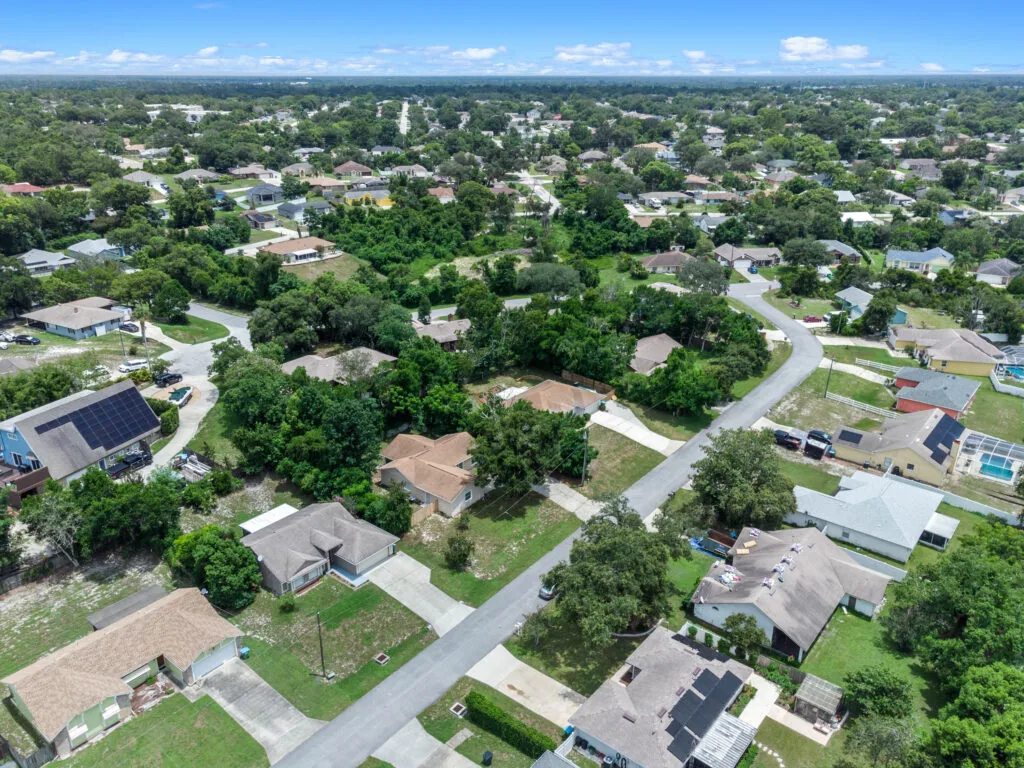
Commercial Roofers Deltona documents the roof before it quotes the work, so every scope starts from what is actually on the building.
Ready to Review Your Roof?
Tell us about the building, the roof and what you are seeing. We will outline the next practical step, whether that is an inspection, a repair scope or a replacement plan.