Commercial Roof Coatings in Deltona, FL
Commercial roof coating restoration in Deltona, FL, starts with moisture and adhesion checks to decide whether a sound roof can be renewed instead of replaced.
A coating is a restoration choice only when the roof underneath can carry it. If insulation is wet, seams have opened across the field or the deck has weakened, a reflective finish will hide the decision instead of solving it. Deltona, FL, averages about 51 to 53 inches of rain a year, with most falling June through September, and July mean daily highs reach 92 F. The existing assembly has to withstand that heat and water before a coating belongs in the scope.
We inspect the membrane, test adhesion, map wet areas and price the preparation separately from the coating. The owner can then compare restoration with a recover or replacement using actual roof conditions. A roof inspection and, where needed, an infrared moisture survey keep the proposal tied to what is underfoot.
The Existing Roof: Sound Enough to Restore?
Coating works best when the roof is dry, attached and repairable. We look for blisters, open laps, deteriorated flashing, ponded areas, brittle membrane and prior patches that may release under the new film. A scan can identify likely wet insulation, but questionable readings may call for a core cut so the owner knows whether the substrate can remain. A coating does not dry trapped water or strengthen a soft deck; those findings change the scope before product selection.
Deltona Village on Howland Boulevard was planned as a mix of retail, medical office and flex space. That varied use makes the operating question concrete: can the existing roof be prepared in zones without closing the occupants below? We stage washing, repairs and application around access and weather, while keeping drains and air intakes clear. If the roof needs a local repair first, our repair scope should identify those items before coating begins.
Preparation: The Work That Determines Adhesion
Loose material has to go. We remove dirt, biological growth, chalking and failed coating where required, then allow the surface to dry within the product's application limits. Seams, fasteners, penetrations and perimeter transitions receive their own repair treatment; they are not solved by adding a uniform coat over the top. We confirm compatibility with the existing membrane and make an adhesion test on representative areas before the full roof is committed.
Water has to leave the roof during preparation and curing. A drain with a slow outlet can keep the substrate wet, and a low area may hold water against a coating beyond its rated exposure. Our drain and scupper work can address blocked or deteriorated details; a deeper low spot may need a ponding-water assessment. We record which conditions are maintenance, which require repair and which make restoration unsuitable.
Application Window: Heat, Rain and the Calendar
Deltona's long warm season creates opportunity and risk. A surface can be hot even when the air temperature is manageable, while afternoon showers can interrupt washing, primer or coating passes. We check the manufacturer's limits for surface temperature, humidity, dew point and cure time, then plan each roof zone so runoff does not cross unfinished work. The decision is not merely which month to start; it is whether a dependable dry window exists for each stage.
Hurricane Charley crossed directly over Deltona in 2004. A coating cannot protect an assembly with loose edge metal, wet insulation or failed attachment when wind rises, so perimeter and fastening conditions matter before any restoration proposal. Where the roof already has storm damage, we document and price it as storm damage repair, separate from ordinary coating preparation. That distinction keeps records and pricing clear.
Restoration or Replacement: Compare the Whole Scope
A coating can reduce tear-off and preserve a sound assembly, but it is not automatically the lower-cost choice. Washing, substrate repairs, flashing transitions, primer and the specified dry film thickness all belong in the comparison. The owner should see what is excluded, how many coats are included, which areas need reinforcement, and what inspection or maintenance the finish will require. We identify whether drains, walk pads, equipment curbs and edge transitions are included or priced separately, because those details often decide whether the proposal is complete. A proposal that prices only gallons leaves the hard work outside the number.
Where the roof has widespread moisture or the coating would bridge failed seams, a recover or replacement may be the more defensible use of reserve funds. The timing question matters as much as the material. We note how much dry weather preparation requires, how long each pass needs to cure, and whether crews can keep drains open as work advances. A phased job may keep tenants moving, but the transitions between completed and unfinished zones need a clear stopping point. If the forecast closes that window, postponing application is usually less costly than leaving an incomplete edge exposed. We compare a recover option and replacement scope against restoration, including tenant coordination and drainage changes. For compatible systems, a silicone roof coating or an acrylic roof coating may be considered after testing; the roof condition decides which product family fits.
After Application: Keep the Record Useful
Before work starts, we photograph existing conditions and mark repairs, transitions, drains and equipment. During application, the crew records material, weather, coverage and dry-film checks required by the scope. At handover, the owner receives a clear list of completed work, any exclusions and the care instructions that apply to the selected system. This record helps the next manager distinguish coating wear from a later puncture or equipment-service cut.
A roof still needs inspection after storms and when water begins to collect. Howland Boulevard connects to the SR 472 and I-4 area, where commercial buildings sit alongside active traffic and delivery routes; access planning remains part of ongoing maintenance. We can schedule a maintenance visit to review seams, drains and coating wear before the next wet season. The owner retains a dated baseline for repair budgeting, rather than waiting for a ceiling stain to dictate the next scope.
Commercial Roofing Questions
Can a coating go over any commercial roof?
No. The roof needs a compatible, dry and sufficiently attached substrate. We check seams, flashing, wet insulation, drainage and adhesion first. Widespread moisture or movement can make a recover or replacement more appropriate than adding a surface layer.
How do you know whether the insulation is wet?
A visual walk identifies clues, and infrared scanning can map areas that may retain moisture. We confirm uncertain readings with selective cores when the result would change the scope. The owner sees the locations and the reason for each recommended repair before coating is priced.
Can coating work be done while tenants remain in the building?
Often, with a zone plan that addresses odor, access, air intakes, deliveries and the application window. We coordinate the sequence with the manager and explain when a work area needs to stay clear. Each product's safety and cure requirements govern the schedule.
What makes coating estimates hard to compare?
Preparation, reinforcement, wet-film or dry-film thickness, number of passes and excluded details can differ. We separate those items so the owner can compare like scopes. A low application price can leave washing, seam repair or drain work outside the proposal.
When should a Deltona roof be coated?
The roof should be dry enough for preparation and application, with a forecast window that meets the product limits through cure. Deltona's summer rains make daily scheduling important. We plan by zone and do not start a surface that cannot be completed and protected as specified.
Schedule a roof condition and adhesion review before the wet season. We will identify preparation, repairs and moisture concerns so the restoration decision is based on the assembly.
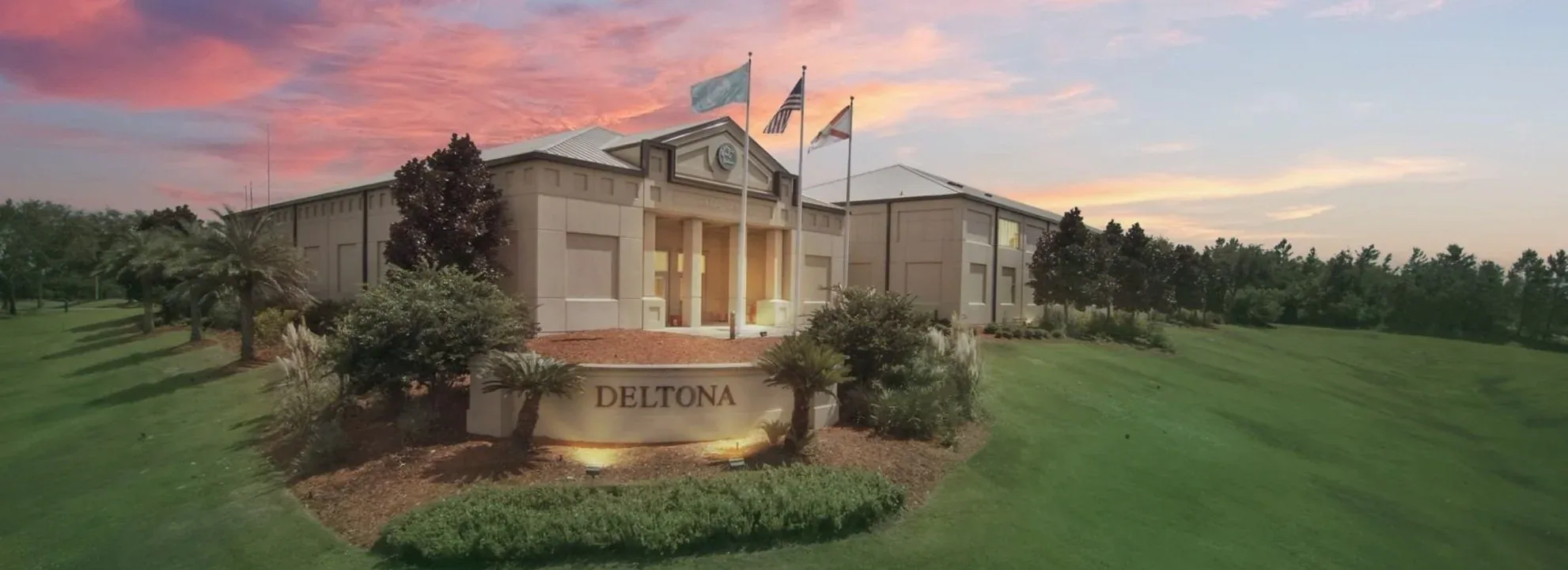
Commercial Roofers Deltona documents the roof before it quotes the work, so every scope starts from what is actually on the building.
Ready to Review Your Roof?
Tell us about the building, the roof and what you are seeing. We will outline the next practical step, whether that is an inspection, a repair scope or a replacement plan.