
Commercial Roofing in Altamonte Springs, FL
Commercial roof inspection and repair in Altamonte Springs, with wind-detail review, moisture mapping and project scopes matched to each property.
A lifted edge or split flashing in Altamonte Springs, FL can let the next hard rain turn a manageable repair into wet insulation and an interior claim. We inspect the roof, mark where the assembly has opened and give ownership a clear choice between immediate repair and broader capital work. I-4 borders the central area, while SR 436, also called Altamonte Avenue, runs through the corridor where the community developed. Those roads help locate the market; the access plan still depends on the property. Uptown Altamonte is a central business district with mixed-use and high-rise residential development, so a roof visit may need coordination with occupied areas and other trades. We verify building use and roof details before setting quantities. Owners with roofs in nearby Maitland or Winter Park get a separate record for each building, and findings stay tied to the roof inspected.
Perimeter: Check what wind can lift
Hurricane Charley produced a 101 mph gust in Altamonte Springs. That local wind history makes a review of edges, corners and rooftop penetrations worth scheduling before the next storm window. We look for loose coping, separated membrane, pulled fasteners, open seams and flashing that has lost contact with a curb or wall. A defect at one perimeter can expose insulation and deck if rain follows, while a loose detail elsewhere may still be a maintenance item. We photograph the condition and distinguish current damage from older marks. A commercial roof inspection can include a marked plan of reviewed areas, moisture notes and a list of details needing repair. If a wet area is not clear from the surface, an infrared moisture survey may help locate trapped water, with follow-up testing used where the result changes the repair boundary. The owner receives a defined next step instead of a roof-wide assumption.
Interior report: Trace the water before cutting
A ceiling stain beneath a rooftop unit can come from the curb, a nearby seam or a path that runs across the deck. We compare the complaint with the roof above it and inspect drains, penetrations, laps and changes in elevation. If access is restricted, mark that area as unreviewed rather than treating it as dry. When a leak is active, our emergency response is available around the clock; the immediate goal is to limit interior exposure while the source and permanent scope are established. For a localized opening with sound material around it, a repair may be enough. If testing finds moisture across several areas or deck conditions are uncertain, price the investigation separately from the repair so the owner can decide how far to proceed. The work record should identify what was removed, what remains concealed and how the crew closes the roof at the end of each shift. That is especially useful when a building has several operating areas with different access windows. A temporary repair should also have an end point. Note whether it covers one penetration, a seam or an interior area, and who will return to verify that the permanent detail is ready. If a more complete repair waits for testing or material, state what exposure remains and when ownership will revisit it. This matters where an occupied property cannot close a large area at once. Dividing work into manageable zones can reduce disruption, but each phase still needs a sound substrate, proper tie-in and a closeout check before the next zone begins.
Repair or replace: Put the quantities side by side
A proposal for replacement should show tear-off, insulation, cover board, membrane, flashing, drains, perimeter metal and interior protection as separate scope elements. Compare those quantities with a repair option based on the same roof map. If the roof has multiple layers or wet insulation, confirm whether a recover is permitted by the assembly, drainage, attachment and code before treating it as the lower-cost choice. For a TPO roof, a TPO system review should address seam condition and compatible details, not just the membrane label. Repeated openings at the same edge can point to a failure in attachment or termination; a surface patch alone may not correct it. If ownership is not ready for full replacement, define a reserve line and a decision date for areas that remain serviceable but need monitoring. Our replacement planning sets the work boundary and identifies assumptions before the capital request reaches approval. Cost changes when removal reaches wet insulation, when edge metal must be rebuilt or when equipment access requires separate mobilizations. Those items should not be hidden inside a per-square-foot number. We separate known quantities from allowances and show how the owner can approve additional work after an opening. If roof sections are in different condition, phase the work by risk and document which areas remain in a reserve plan. A decision date prevents a deferred repair from disappearing from the budget until another leak creates tenant exposure. For an active water entry, call promptly so immediate protection can be discussed while the permanent scope is defined.
Bid comparison: Keep open items visible
Use one roof plan to compare proposals for the same areas and repair limits. Check testing, removal depth, deck allowances, drainage, edge details, temporary protection and closeout photographs. If one bidder assumes a small patch and another removes wet material to a wider boundary, the prices are answering different questions. We identify where concealed conditions could change the quantity and how approval is recorded. In Uptown Altamonte, a property contact may also need to coordinate lobby protection, lift placement, tenant notices or equipment access. Those items belong in a phasing plan, not as a vague exclusion. A photo condition record ties work completed to the roof area and leaves the next manager a usable history. For a building with several roofs, a multi-site roof program can standardize inspection records while preserving separate scopes and budgets for each property. The owner can then compare today's repair with what waiting would cost before another storm tests the same detail. Mark any roof area that could not be inspected because of clearance or access limits. That small distinction helps the next reviewer avoid treating an unseen section as acceptable and keeps the owner in control of the next testing decision.
Commercial Roofing Questions
Which roof details should Altamonte Springs owners check before hurricane season?
Start with perimeter metal, corners, seams, penetrations and rooftop equipment supports. Charley's 101 mph gust in Altamonte Springs is a reason to review those details, but the work list should reflect what is loose or open on the building today. We document the selected repair limits and timing in writing.
Can a leak be repaired without pricing a full replacement?
Yes, when the opening is limited and the surrounding assembly remains sound. We map the repair boundary and flag moisture or deck conditions that could widen it. If failures recur or wet areas spread, compare that repair with a separately scoped capital option.
What does an infrared survey tell a property manager?
It can help locate temperature patterns consistent with trapped moisture, but suspect areas may need confirmation by another method. The useful deliverable is a roof map showing where testing found a condition and what decision it changes.
How should bids for an occupied property be compared?
Compare the same roof areas, removal limits, testing, edge work, drainage, interior protection and daily closeout. Then line up access assumptions such as lift placement, tenant notices and equipment coordination. A lower total is useful only when the included work matches.
Call with the Altamonte Springs property location, leak or wind concern and any access limits. We will map the roof, document open questions and outline a scope for your review.
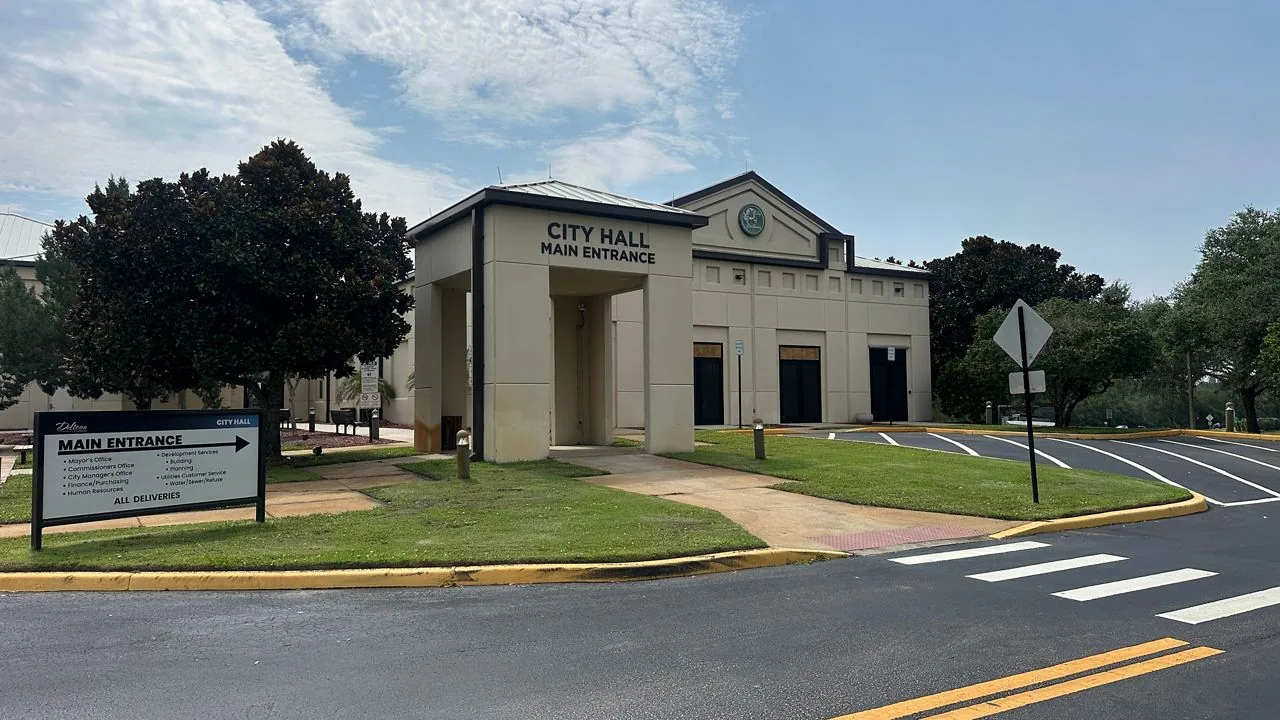
Commercial Roofers Deltona documents the roof before it quotes the work, so every scope starts from what is actually on the building.
Ready to Review Your Roof?
Tell us about the building, the roof and what you are seeing. We will outline the next practical step, whether that is an inspection, a repair scope or a replacement plan.