
Multi-Site Commercial Roof Programs in Deltona, FL
Coordinate inspections, repairs and roof records across Deltona properties, with site-specific priorities that fit each building's operations.
One property manager receives three leak calls on the same afternoon, but the roofs are not at the same stage. One needs a repair, one needs moisture mapping and the third needs a decision about replacement. A multi-site program gives ownership a shared calendar and reporting format while keeping each roof's condition, scope and operating needs separate. That is how a portfolio gets a clear order of work without pretending its buildings have one common failure.
Deltona's commercial stock serves a mostly residential community, with neighborhood retail, medical offices, schools and smaller flex buildings. Properties around Howland Boulevard, the I-4 corridor and State Road 415 can have different access, tenant and delivery constraints. We inspect each location, record the system and put the next decision beside the building it belongs to, so the regional view remains useful to the person who has to authorize the work.
Portfolio Register: Keep Site Conditions Distinct
A program starts with a roof list that identifies the property, system where known, drainage, access requirements, active leaks, prior repairs and open approvals. We use the same fields for each building so ownership can compare findings, but the observations stay specific to that roof. A roof asset record can carry dated photos and repair history forward, while an inspection identifies what changed since the last visit. One format across all sites exists to expose differences between roofs.
The Deltona Village plan on Howland Boulevard pairs retail, medical-office and flex uses. That mix is a practical reminder that a portfolio schedule has to account for different occupancy patterns and roof access. A school may need work timed around its calendar, while an occupied medical office may require tighter coordination around equipment and patients. We capture those needs with the roof findings and plan the site visit around the building's actual operation.
During each commercial roof inspection, we note the roof areas reached, visible details, drainage conditions and any limitations. If a leak appears inside, the report connects it to the roof evidence where possible and distinguishes a confirmed entry point from an area that needs more testing. The manager receives an action list with owner, priority and decision date, not a general portfolio warning that leaves every site waiting for the same next step.
When water entry is active, a leak repair can proceed separately from capital work. The closeout records the building, roof area and remaining follow-up, giving the next visit a clear starting point.
Work Queue: Rank by Exposure and Readiness
Priorities should reflect water exposure, occupant impact, extent of deterioration and how quickly the owner can approve access. An active leak over occupied space may come before a roof nearing its reserve date, while a low-risk item may be combined with a scheduled maintenance visit. Each ranking comes with its reason, so management can make a deliberate tradeoff when several properties compete for time and funds.
Rain in Deltona runs 51 to 53 inches a year, concentrated from June through September, with high daily temperatures in summer. That wet-season pattern can compress the time available to resolve a drainage or seam problem before repeated storms. A maintenance program can revisit the sites that need debris removal or detail checks, while urgent repairs move on their own track. The calendar should show which work is weather-sensitive and which can wait for tenant access.
After findings are ranked, a capital plan can place replacement candidates beside near-term repairs. We identify what is known, what should be tested and which assumption could change approval.
Similar roof systems may be grouped by material or access window, but roof area, edge details, equipment and tenant needs still vary. A drainage visit on one property does not replace a separate inspection elsewhere. Keep each work order tied to its own site and repair limits.
Program Drift: Stop Small Deferrals From Becoming Portfolio Noise
When records live in separate inboxes, a deferred repair can disappear until the next leak call. A manager may repeat an inspection, miss a follow-up or compare bids that describe different roof areas. We maintain a current list of completed work, open items and decisions still needed, with a responsible contact for each property. Ownership sets the current record beside the last review and can take a major capital decision to a second opinion.
Charley's passage directly over Deltona in 2004 was followed by Frances and Jeanne. For a portfolio owner that history is a reason to review edge details, prior wind repairs and open leak reports before hurricane season. The program records which roofs have current observations and which still need access.
A written condition report gives each site a photo-based record that can be shared with ownership and management. For properties along the Deltona I-4 corridor, scheduling may also account for loading and roof access tied to normal operations. A clear program reduces repeated site calls and helps the owner spend attention where water, occupancy or a pending decision makes delay most consequential.
Portfolio Review: Make Contractor Proposals Comparable
A portfolio bid should state which locations are included, what each visit covers, and how findings will be reported. Compare the number of inspections, access assumptions, photo records, maintenance tasks and repair authorization separately. If one proposal includes a roof map and another gives only a condition summary, ask what decision the missing information would support. The owner should be able to see the site list, exclusions and next actions without searching through a blended scope.
Deltona's planned retail, medical-office and flex development at Deltona Village shows the different uses a local building program may need to accommodate. A work calendar for buildings like those has to reflect tenant operations and equipment access. For a property manager handling several buildings, a property management roof program can align access coordination with separate site records, keeping any repair approval tied to the correct owner and location.
When proposals recommend replacement at multiple sites, review the basis for each recommendation separately. A roof with localized damage should not inherit another property's replacement scope. A replacement evaluation should show the system, affected areas, removal assumptions and what additional investigation could change the work. If the information is incomplete, set a decision date to obtain it before the budget is committed.
Annual Calendar: Set the Review Before Rain Takes Over
Build the inspection calendar backward from the wet season, approval windows and each property's operating schedule. Leave time for a return visit, moisture testing or bid review where those steps could change the scope. During hurricane season, separate urgent protection from permanent repair and record who can approve each action. A single portfolio contact can coordinate the schedule, but site access and tenant notice still need to be confirmed with each building's representative.
At the annual review, compare repairs with prior photos and keep the next reserve decision visible. At the northwest city limit SR 472 meets Howland Boulevard, and SR 415 follows the southeast boundary, the two ends of the city a site list is likely to span. Call before heavy rain or hurricane season with the property list and active leak reports so we can set a site-specific sequence.
Commercial Roofing Questions
Can one inspection schedule work for every Deltona building?
A shared calendar can organize the portfolio, but each roof needs its own access plan, inspection scope and follow-up date. Occupancy, drainage and current condition determine when a particular property should be revisited.
How do we choose which property gets repaired first?
Rank active water entry, tenant exposure, likely spread and approval readiness. We explain why a roof is urgent and what could change its scope, then set a decision date for items that can wait.
Should similar roofs be grouped into one contractor bid?
Grouping can help with mobilization or material planning, but each building needs a separate work description and acceptance record. Compare the site list, repair limits, access assumptions and exclusions before approving a combined proposal.
What should management receive after each site visit?
Keep the inspection date, roof areas reached, photographs, findings, priority, recommended action and open questions with the property record. That makes the next leak call easier to compare with prior conditions.
Call before the next heavy rain with the property list, access contacts and open roof concerns. We will help sequence inspections, document each building and identify the next repair or capital decision.
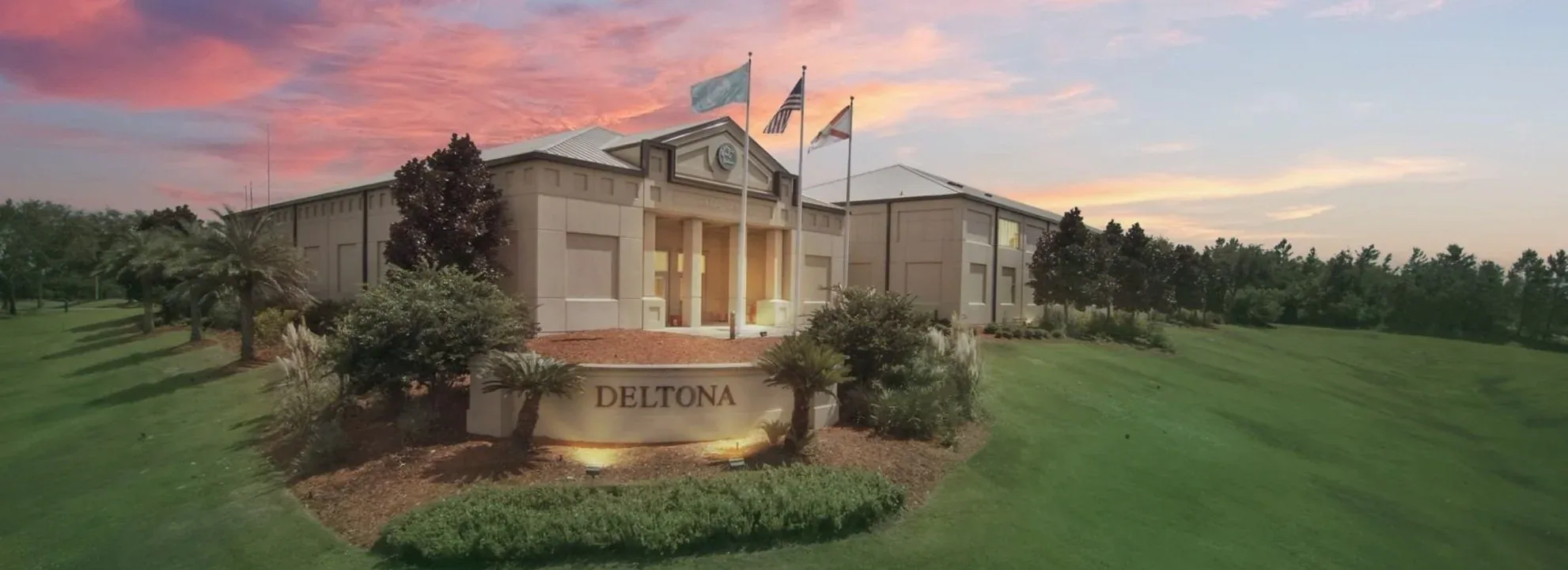
Commercial Roofers Deltona documents the roof before it quotes the work, so every scope starts from what is actually on the building.
Ready to Review Your Roof?
Tell us about the building, the roof and what you are seeing. We will outline the next practical step, whether that is an inspection, a repair scope or a replacement plan.