
Commercial Roofing in Lake Mary, FL
Commercial roof inspections, leak repairs and capital planning in Lake Mary, Florida, with findings tied to the building and a defined work scope.
A seam opening on an office or commercial roof can keep admitting water long after the first ceiling mark is cleaned. In Lake Mary, we start by locating the roof area, tracing the water path and checking the details around it. The owner needs to know whether the issue is a contained repair, moisture that has spread, or a condition that needs further testing before a larger decision is priced.
Most of Lake Mary's corporate and commercial development is concentrated along I-4 on the western edge of the city, and Lake Mary Boulevard links the city to that highway. AAA, Deloitte and Verizon are among the employers with operations in the area, so office roofs with rooftop equipment and tenant-sensitive interiors set the planning questions. We inspect the actual assembly, document access limits and give the property contact findings that belong to that building.
Failure Point: Trace the Opening Before the Repair Spreads
Water can move laterally beneath a membrane and appear indoors away from its entry point. We inspect above the reported symptom, then follow likely paths across seams, penetrations, curbs, walls and drainage details. Photos should show the specific failure and the nearby roof features needed to locate it again. A roof map keeps the conversation precise when an owner manages several properties along the same commercial corridor.
At a Lake Mary property, photographs and a marked roof sketch connect each observation to its location. We record membrane and flashing condition, previous repairs and drainage behavior, then list spots where the visible surface cannot show the full moisture boundary. An commercial roof inspection may help prioritize verification; the report distinguishes its indications from confirmed wet material and names what a test cut would resolve.
Drainage problems deserve their own line in the report. We note restricted outlets, damaged drain bowls, scuppers, gutters and transitions where water may stay against a seam. A roof drainage review can define that correction separately from membrane work. The estimate should identify whether the problem is maintenance, damaged components or a wider waterproofing failure, since each calls for a different repair boundary.
When thermal patterns could narrow testing, an infrared moisture survey can help prioritize a controlled opening.
Repair Choice: Price What the Inspection Supports
A localized correction may suit an isolated opening when surrounding materials are sound. We describe preparation, compatible materials, flashing work, repair perimeter and exclusions. A recurring seam failure, soft substrate or test result showing a wider wet area may justify expanding the work. The owner should see which observation supports that change and which question requires a test before approving a larger repair or replacement.
Where layers or attachment are uncertain, a roof recover assessment should cover moisture, existing roof layers, attachment and applicable code questions. If the failure is confined to one detail, a commercial leak repair scope can state what will be opened, repaired and closed. These options should remain distinct in the proposal. A recover is not a substitute for correcting active water entry, and a small repair does not answer every capital planning question.
Lake Mary Boulevard is a major east-west route connecting the city with I-4. Scheduling can account for the property's actual entrance and delivery limits, but the street name alone does not give a crew roof access. We confirm the gate, escort, hatch or ladder needs and any shutdown before mobilization. Clear access instructions help keep inspection time on the roof details that determine the scope.
Exposure: Keep a Deferred Repair Visible
When rain continues to reach the same roof detail, damp insulation and interior finishes can enlarge a repair area. An owner may still need time to compare options, but the immediate risk should have a named action and a decision date. Temporary protection should be recorded separately from permanent work, with the affected area and next review noted. That makes the deferral deliberate rather than an old issue buried in a service ticket.
For a building near the I-4 commercial corridor, keep the inspection record attached to the property rather than a general location file. A photo-supported roof condition report can show the finding, location and areas not inspected. If a property manager also has a Longwood roof review or Heathrow inspection on the schedule, each building needs its own record and approval. One site's moisture finding is not evidence about another roof.
We can respond at any hour, including holidays, when active water entry needs immediate attention. The follow-up should still identify whether the cause was confirmed and what remains to be tested. Owners can then decide whether to authorize a repair, obtain a second opinion or hold a larger project for a defined review. The file should make the next step clear to the person responsible for the building.
Bid Comparison: Close the Scope Gap Before Approval
Two proposals can both say roof repair and price different work. Compare the exact area, preparation, material compatibility, flashing, drainage, disposal, access assumptions and warranty terms. Ask what happens if wet insulation or a damaged deck appears after opening, who can approve the change and how the added work will be documented. A written boundary helps the owner's side of the table compare cost with the condition found.
A commercial repair proposal should identify the failure point, the correction and the limits of the work. If replacement or recovery is also being considered, require a separate price and its assumptions. Keep any tenant protection, equipment coordination or interior access needs tied to the affected property. A quote that combines unrelated buildings or unclear roof areas is harder to verify after mobilization.
For a portfolio with properties across I-4, a Casselberry roof assessment or Winter Springs service visit may be coordinated separately. Each report should use its own photos, roof plan, decision date and approval record. That allows the manager to compare work without transferring a condition from one city's building to another.
Visit Sequence: Leave Time for a Defensible Decision
Book the roof walk while there is time to confirm access, trace the leak and review the proposed boundary. If testing is recommended, ask what result will change the repair choice. If a patch is needed to protect the interior, identify it as interim and schedule the permanent correction or next inspection. This keeps the decision with the owner instead of leaving the building exposed to another round of water entry.
After work, retain photos of the prepared area, finished detail and surrounding materials, along with the materials used and any deferred condition. A commercial roof maintenance visit can record changes and follow-up items at a planned interval. For Lake Mary properties, the owner should retain the actual access contact and roof map with each work order so the next visit starts with the right building and known roof history.
Commercial Roofing Questions
What does a Lake Mary roof inspection need to establish before repair?
Map the reported opening, document nearby seams and transitions, review drainage, and note access limits. That gives the owner a repair boundary and a list of questions that still need testing.
How should an owner handle a leak while comparing bids in Lake Mary?
Record any temporary protection and the area it covers, then set a date for the permanent repair decision. Keep the interim action separate from the bid so the underlying failure point remains visible.
Can a roof recover be priced before the existing layers are known?
A preliminary review can identify what must be confirmed, but the proposal should state its assumptions about moisture, attachment and retained materials. Those findings can change whether recovery remains suitable.
Which records help with a Lake Mary roof project after completion?
Keep the approved scope, property-specific roof map, dated photos, material notes and closeout findings together. Assign a contact and review date to any item the crew could not resolve during the work.
Call with the reported leak area, building access contact and prior repair record. We will inspect the roof, document the failure point and explain the next decision before work is priced.
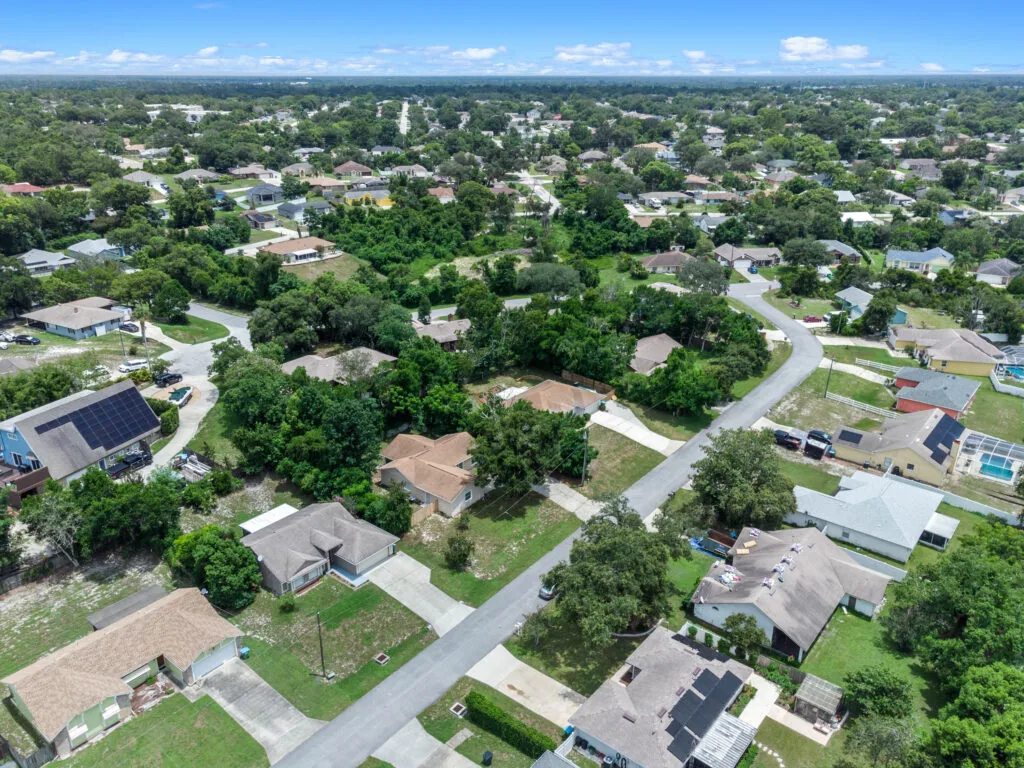
Commercial Roofers Deltona documents the roof before it quotes the work, so every scope starts from what is actually on the building.
Ready to Review Your Roof?
Tell us about the building, the roof and what you are seeing. We will outline the next practical step, whether that is an inspection, a repair scope or a replacement plan.