
Commercial Roofing in Longwood, FL
Commercial roofing in Longwood, Florida, with wind damage inspections, leak repair, maintenance and scopes based on the roof's observed condition.
A loose edge or opened seam can turn a small roof defect into an interior leak when the next storm puts pressure on the assembly. In Longwood, the repair decision should start with the detail that moved, the area around it and any water path already visible inside. We inspect those points, document the condition and identify whether the owner needs a focused correction, wind damage review or further testing.
Longwood recorded 97 mph gusts during Hurricane Charley, and Orlando Health's South Seminole Hospital is the city's top employer, a reminder that roofs over sensitive interiors matter here. After a wind event, edge attachment, perimeter metal and roof penetrations get a careful look. The inspection records what is loose, displaced or open at the property, and a claim or repair scope follows those observations.
Wind Review: Check the Edge Before Pricing the Interior Repair
Wind can stress an edge detail, loosen metal or expose a seam while the visible interior leak appears somewhere else. We inspect perimeter conditions, corners, terminations, fasteners, flashing and penetrations, then look for water entry on the roof side of the reported stain. The photos should identify each condition and its position. That gives the owner a basis to decide whether the repair is limited or whether testing should define the affected area first.
State Road 434 bisects Longwood and reaches US 17/92 at the eastern boundary; I-4 has an exit at SR 434 near the western limits. For work near the SR 434 corridor, the property contact still needs to confirm the entrance, access point, delivery restrictions and any operating hours that affect the crew. A commercial roof inspection can document the observed assembly and repair history once access is confirmed.
When the leak path is not clear, an infrared moisture survey may help narrow the area needing confirmation. We separate test results from visible damage and explain which follow-up opening, if any, would change the proposed scope. If edges or gutters are involved, a perimeter metal review should identify fastening, laps and termination details rather than call every displaced component a roof-wide failure.
After the Gusts: Set a Date for the Next Roof Decision
A damaged edge that remains open can let water reach insulation or interior finishes each time it rains. Temporary protection may be necessary, but record the area protected, what remains exposed and when the permanent correction will be reviewed. The owner should not lose sight of the original condition once an emergency patch is in place. A dated follow-up keeps the deferred work visible while the repair or claim scope is being prepared.
We respond around the clock, holidays included, when an active commercial roof problem needs attention. A storm damage roof assessment should document which conditions are consistent with wind movement and what needs additional review. If insurance documentation is involved, a roof claim record can organize photos and scope notes for the owner's file. The roof evidence and the policy decision remain separate questions.
For a manager overseeing more than one city, a Lake Mary roof inspection or Heathrow service visit should have its own roof map and findings. Keep the date, roof area, access notes and photos with the building where the crew performed the inspection.
Repair Choices: Match the Scope to the Damage Found
A single displaced edge or flashing detail may support a targeted repair if adjacent materials remain sound. The scope should state how the damaged area will be prepared, refastened or sealed, what metal or membrane will be replaced and where the repair ends. If the assembly has repeated failures or concealed wet material, the owner may need more than a surface correction. We explain which observation supports expanding the work and which test would confirm it.
When the layers or attachment are uncertain, a roof recover evaluation can examine the known assembly and identify questions that affect suitability. For a contained opening, a commercial leak repair plan should describe the water path, materials and limits. The proposal should also show the cost drivers: roof access, tear-off or preparation, detail work, material quantity and any interior protection or shutdown coordination.
Charley's 97 mph gust in Longwood is a useful guide when an owner is deciding what to inspect after high winds. We look for loose terminations, lifted corners, displaced fasteners and openings at transitions, then record whether the observed condition is active or appears older. The owner needs the actual finding, a repair choice and a decision date before the next season tests the same detail.
Estimate Review: Compare the Same Wind Repair
Wind repair estimates often use broad language while covering different components. Compare the perimeter length or roof area, the preparation method, metal and membrane work, fasteners, sealant, disposal and warranty terms. Find out how the crew will treat a loose section that extends beyond the visible area and who can approve a change after the assembly is opened. A clear scope helps the owner assess the price without assuming one bid includes work another left out.
A commercial repair proposal should distinguish emergency protection from permanent correction. If a larger replacement is proposed, request the removal, insulation and edge transition assumptions separately. A photo-backed roof condition report can preserve the inspection record and show the limits of what was accessible. Keep the storm date, photos and repair approvals together if a claim review may follow.
For a portfolio with properties near US 17/92, a Winter Springs roof review should not reuse the Longwood finding. Each roof has a separate assembly, access plan and work boundary. A site-specific record makes it easier to compare costs and keep deferred items visible across a property list.
Closeout: Verify the Edge and Keep the Record Current
After repair, ask for photographs of the prepared area, completed edge or flashing detail and surrounding roof. Save the work order, materials, approval and any unresolved condition with the building's record. If the crew used temporary protection, schedule its removal or permanent replacement. A roof maintenance visit can review prior repairs, drains and perimeter details on a planned interval.
For a Longwood property, agree on who receives the closeout and who will check the roof after the next significant weather event. A follow-up cannot prevent future damage; it is a way to find whether the repaired detail remains closed and whether another issue has appeared. A timely record gives the owner a firmer basis for a reserve decision and prevents an older wind concern from becoming an undocumented leak call.
Commercial Roofing Questions
What should be checked on a Longwood roof after high winds?
Start with edges, corners, metal terminations, seams and penetrations, then compare those findings with any interior water report. Dated photos and a marked plan help define what needs repair or testing.
Does the Longwood gust record mean my roof has wind damage?
Not on its own. It tells an owner where to look, and the property's inspection establishes whether a component is loose, displaced or open. The repair scope should describe that observed condition and its boundary.
How should an owner compare a storm repair with replacement?
Compare the damaged area and surrounding assembly first, then separate temporary protection, permanent repair and capital replacement assumptions. A test result or opened detail can change which option is supported.
What belongs in the Longwood roof file after a wind repair?
Keep the storm date, inspection photos, work boundary, materials, approvals and closeout record together. Assign a review date to any condition that remains deferred or requires confirmation.
Call with the property address, access contact, storm date and any interior leak report. We will inspect the accessible roof details and explain the repair or testing decision.
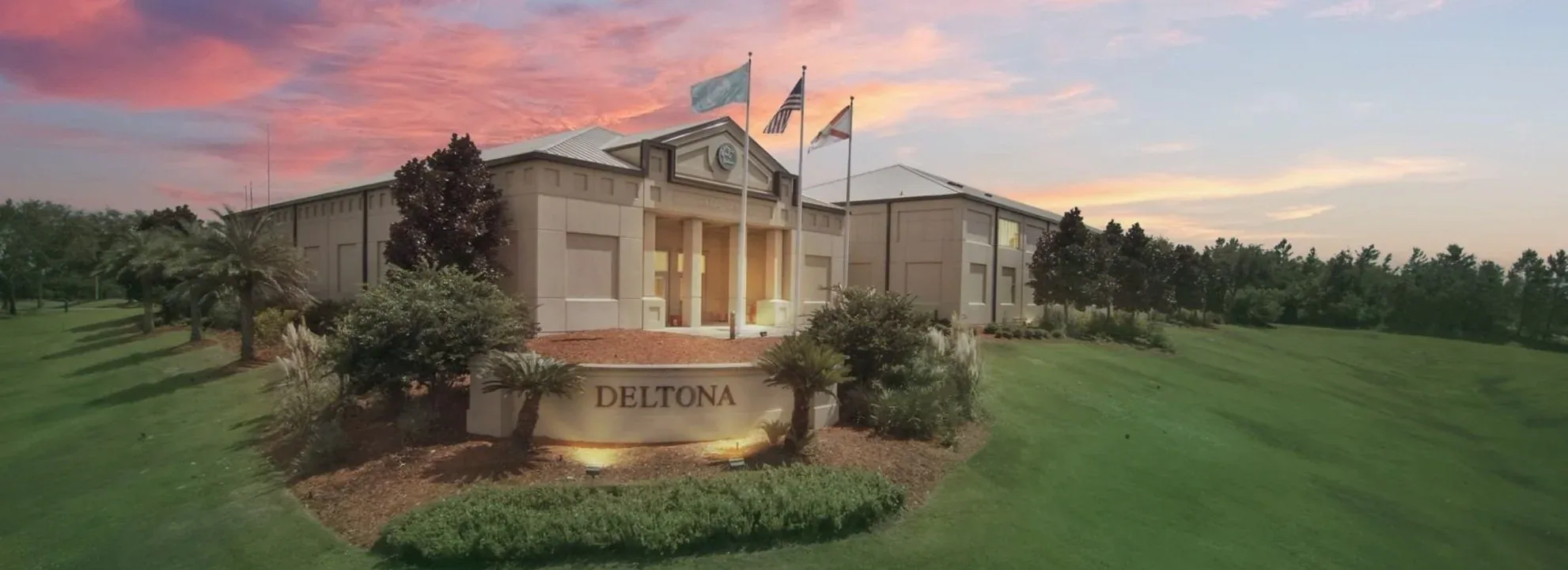
Commercial Roofers Deltona documents the roof before it quotes the work, so every scope starts from what is actually on the building.
Ready to Review Your Roof?
Tell us about the building, the roof and what you are seeing. We will outline the next practical step, whether that is an inspection, a repair scope or a replacement plan.