
Commercial Roofing in Lake Monroe, FL
Commercial roof inspections, repairs, maintenance and replacement planning for property owners in Lake Monroe, Florida. Get a documented scope.
Commercial roof work in Lake Monroe starts with the condition of the roof and the decision the owner needs to make. A leak report may call for a narrow repair, a moisture investigation, or a broader review of the assembly. We inspect the accessible areas, document what we can see, and explain what remains uncertain before recommending a scope. That keeps a repair decision connected to evidence instead of an assumption based on the address.
Lake Monroe is an unincorporated community in Seminole County adjoining Sanford. The service area includes a named community and its surrounding properties, so access and roof conditions need to be confirmed with the property contact for each visit. The roof walk records the membrane, edges, penetrations, drains, prior patches and interior symptoms that are actually present.
Inspection: Connect the Interior Report to the Roof
Water can travel along a deck, insulation joint or framing before it appears indoors. We start near the reported symptom and inspect likely entry points above it, including seams, flashing transitions, curbs, penetrations and drainage details. Photos should show both the condition and its position on the roof. A simple marked plan gives the owner and contractor a common reference when they discuss repair limits or compare proposals.
In Lake Monroe, where the community adjoins Sanford, a portfolio owner may coordinate more than one property in the same service area. Each building still needs its own inspection record. A commercial roof inspection identifies accessible areas, visible conditions and follow-up questions. If the suspected wet area is not clear, an infrared moisture survey can help focus verification. The method and its limits should be explained before any material is removed.
We also check the route water takes after reaching the roof surface. A drain, scupper or conductor can be obstructed, damaged or separated from the surrounding membrane. The observation should distinguish a drainage concern from a seam or flashing failure because the corrections may be different. If the owner needs a repair estimate, a drainage repair review can be kept separate from membrane work so each cost has a clear reason and boundary.
Repair Choices: Define What the Crew Will Correct
A localized repair can make sense when the surrounding material remains serviceable and the source is reasonably clear. The proposal should identify preparation, compatible materials, flashing work, the repair perimeter and what is excluded. If repeated repairs have not stopped the leak, or if testing shows a wider wet area, a larger correction may be justified. We explain the evidence behind that change rather than treating a single ceiling stain as proof that an entire roof should be replaced.
When the existing assembly is uncertain, the owner should know what must be confirmed before deciding on a recover or replacement. A roof recover evaluation addresses the known layers, moisture findings, attachment questions and applicable code review. Where a repair remains appropriate, a leak repair scope can identify the detail, method and limits. Those are separate decisions; one should not be used to imply the other without inspection evidence.
For a current project we confirm the actual property entrance, escort requirements, ladder or hatch arrangements, delivery limitations and any equipment shutdown with the owner. The crew should have the current access instructions before arriving.
Timing: Keep Temporary Protection Separate From the Fix
If active water entry threatens contents or operations, temporary protection may be the first practical step. Record it as temporary, identify who will check it, and set a date to decide on the permanent repair. A short-term measure does not answer whether nearby insulation is wet or whether another detail contributed to the leak. The follow-up should close those questions instead of allowing a patch to become an undocumented permanent scope.
Owners coordinating properties near Sanford can use separate roof maps and work orders to avoid carrying a finding from one address into another. A Sanford roof assessment can be scheduled for a different building, but its observations do not transfer to a Lake Monroe roof. Keep each report tied to its property, inspection date, marked area, photos and approvals. For continuing care, a preventive maintenance visit can record conditions and deferred items on a planned schedule.
Timing also depends on safe access, material availability, weather exposure and whether testing is needed before a firm scope can be priced. We identify those dependencies early. If the owner must protect an interior area while waiting, the report should name the temporary action and the remaining risk in plain language. That makes it easier to decide whether to authorize investigation, repair or a larger project review.
Proposal Review: Compare Boundaries and Assumptions
Two bids can use the same phrase, such as leak repair, while describing different work. Compare the roof area, preparation, materials, flashing details, cleanup, access assumptions and warranty terms. Ask how the contractor will handle a condition found after opening the roof and who can authorize added work. The proposal should state what is included and what would require a separate decision.
A repair scope should reflect the observed detail rather than a generic allowance. When the building owner needs a concise record for an asset file, a photo-supported condition report can organize images, locations and follow-up items. Keep the report factual: what was visible, what could not be accessed, and what evidence would resolve an open question.
For owners responsible for properties across the area, an Osteen roof review should remain a separately scoped job. A property-specific roof map is the basis for every scope. If a quote combines several buildings, require a distinct work area, price basis and approval trail for each one.
Planning: Leave Room for Inspection and Follow-Up
Schedule an inspection before an unresolved leak becomes an urgent interior problem. The first visit should leave the owner with a clear record of the observed condition, the limits of access and the next decision. Should testing be recommended, ask which result would alter the repair plan. If a repair is approved, confirm who will receive closeout photos and whether a return visit is needed to verify performance.
For a property in Lake Monroe, the work order should use the building's own access contact and roof map, even when the owner also manages nearby Sanford assets. Keep a copy of the approved scope, site photos, material information and any deferred conditions together. If an issue remains outside the work area, document that boundary and decide when it should be reviewed. A useful service record helps the next manager understand what was done without overstating what the inspection established.
Commercial Roofing Questions
What should a Lake Monroe commercial roof inspection document?
It should identify the reported area, visible roof assembly, seams, flashing, penetrations, drainage details and access limits. A marked plan and dated photos help the owner compare findings and approve a defined next step.
Can a repair be scoped before moisture testing is complete?
A visible, isolated detail may support a limited repair, but uncertainty about wet insulation or concealed materials should be stated. The proposal can separate known work from testing or a condition that would require added approval.
How should an owner compare roof proposals for properties near Sanford?
Compare each building separately by roof area, preparation, materials, access, exclusions and the process for changed conditions. Keep the report, photos and approval tied to that property's address and roof map.
What records are useful after a Lake Monroe roof repair?
Keep the approved scope, repair location, dated photos, materials, closeout notes and any deferred items together. If the repair needs a follow-up, record who will check it and when that review is due.
Share the leak location, access contact and prior repair notes. We will inspect the accessible roof area, document what is visible and explain the next repair or testing decision.
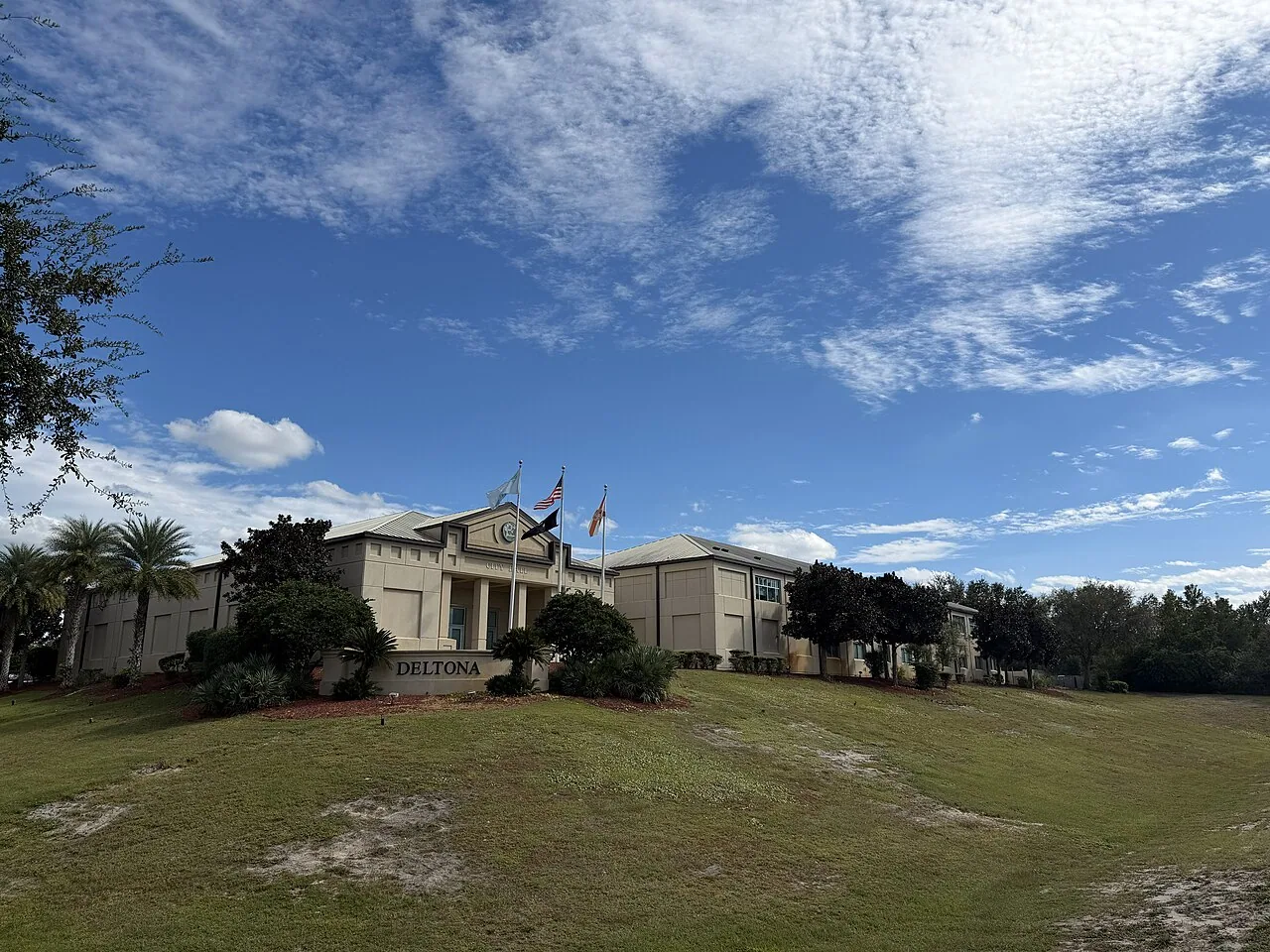
Commercial Roofers Deltona documents the roof before it quotes the work, so every scope starts from what is actually on the building.
Ready to Review Your Roof?
Tell us about the building, the roof and what you are seeing. We will outline the next practical step, whether that is an inspection, a repair scope or a replacement plan.