Commercial Roofing in Seville, FL
Roof inspections and repairs for Seville properties, with scope tied to agricultural operations, drainage findings and approved access.
A roof failure over a Seville, FL work or storage area can put the next agricultural task on hold. Seville has limited commercial development and a largely rural, agricultural base, so an owner needs a scope sized to the actual property rather than assumptions about a town-wide building stock. We identify the installed roofing, trace the water path and document what must stay dry while work is underway. Seville is an unincorporated Volusia County community just north of Pierson on US 17, placing the two communities within a shared service area but not under one roof plan. The market's Deltona I-4 corridor is another distinct location. Each inspection begins with the site the owner authorizes.
Leak report: Find where water entered
Seville roofs need an inspection that follows the water report beyond the room where it appears. We compare the location with slopes, seams, penetrations, drains and the building's discharge path, then mark what is confirmed versus concealed. A controlled opening or testing may be needed to define wet insulation. That evidence sets a practical repair limit and helps ownership distinguish a localized correction from a larger replacement discussion. A commercial roof inspection separates the confirmed entry point from the concealed condition before any price is set.
Repair limit: Keep the work measurable
A localized repair can be appropriate if the membrane and substrate remain stable around the opening. The scope identifies the failed detail, the material needed to close it and the boundary that will be removed. If an opening finds moisture, define how removal continues to a dry and stable limit and who approves added area. For an agricultural property, temporary protection may need to cover a specific work or storage zone while permanent material is installed. The proposal should state what that measure protects and when the crew returns to verify the completed detail. If failures recur across several areas, compare repair with replacement, including tear-off, insulation, cover board, flashings, drains, perimeter metal and disposal. A recover or coating should be considered only after moisture, attachment, layer count and drainage have been checked. The owner can then decide whether to fund the immediate failure, a broader capital scope or a phased plan. The failure detail should also be matched to the replacement material. A repair at a metal fastener is not the same as a membrane seam or a curb flashing, and a patch that bridges incompatible surfaces can fail at its edge. We state the preparation and tie-in method in the scope, plus the limit of the material being removed. If the owner's preferred work window is short, break out testing and staging early enough to avoid an incomplete opening. That may mean delaying permanent installation until materials and access are confirmed, while temporary protection is maintained under an agreed check-in schedule.
Access plan: Protect the working route
US 17 provides the town's road reference, while the property manager determines the entrance, unloading point and roof access. Confirm whether a delivery can be staged without blocking a path used for supplies or equipment. If the roof hatch is inside an occupied area, agree on who provides entry and what interior protection is needed. We set a daily work limit that can be closed before the crew leaves and identify how the owner will receive updates if rain changes the sequence. A phased work plan can separate roof zones and keep temporary protection within the area the manager can monitor. For a rural property, response time and material delivery may need to be coordinated with the owner before selecting a work date; we confirm those logistics with the owner first. Keep the inspection, repair approval and operational handoff in one record so the next person knows which area is complete and which remains open. If a property has limited staff on site, identify one person who can approve a change and receive the daily status. That avoids leaving an exposed roof section while the crew waits for direction. We list the contact, access window and closeout requirement before mobilization, then provide a clear note if the plan changes. The town's US 17 connection helps locate Seville on a regional map; it does not determine where a truck can turn, unload or safely stage. Confirm the actual entrance with the owner and keep that information within the project schedule.
Bid review: Separate known scope from field decisions
A Seville permit package should show the project's roof assembly, measured scope and wind criteria for the design professional's review. Volusia follows the general provisions of the Florida Building Code; Broward and Miami-Dade Counties have the separate High Velocity Hurricane Zone requirements. After the applicable path is confirmed, ownership can compare removal, insulation and transition quantities. A metal assembly may need a standing-seam review, and a condition report can keep field observations tied to the proposal.
For Seville properties with broad roof areas, a marked plan can divide inspection into drainage zones and perimeter runs. The site contact can identify roof access, interior areas with reported staining and equipment that limits walking paths. We log each observation by location, photograph it and state whether the surface was accessible. If an area could not be inspected safely, it remains an open item rather than being treated as sound. That distinction helps the owner set a follow-up visit and keeps repair quantities tied to conditions actually observed.
At the review date, compare new observations with the condition labels on the plan. A fresh leak, seam movement or recurring ponding can change priority; stable areas can remain on the next inspection cycle without reopening the entire scope. Assign the follow-up to a named manager.
A property contact can make the inspection more efficient by identifying roof access, any interior leak reports and the work hours that affect occupied spaces. We note those conditions before setting the route across the roof. Where equipment, parapets or fragile surfaces limit access, the report marks areas not reached and states whether another access method is needed. The owner can then decide whether to approve follow-up testing, request a contractor escort or leave the area on a monitoring list. Those decisions are tied to the Seville building and do not assume that another roof in the market has the same constraints.
We also record where temporary protection begins and ends, so follow-up crews can verify the same area without reopening completed work.
Commercial Roofing Questions
What should a Seville owner protect when a roof is opened?
Identify the work area, supplies or equipment below the repair and any route that must stay clear. We mark the roof section and state what temporary measure is used, what it covers and when permanent closure will be checked.
Which rainfall figures apply to a Seville roof?
Deltona, the market city, averages 51 to 53 inches a year, and that figure belongs to Deltona. A Seville roof needs its own review of slope, drains, seams and any visible ponding before a drainage repair is proposed.
Can a repair be phased around agricultural work?
The property contact can identify loading or work windows before mobilization. We divide the roof into areas the crew can close safely and confirm where materials may be staged without interrupting a required route.
What should be included in a roof repair estimate?
Show the repair boundary, material, removal depth, insulation or deck allowance, drainage, flashing and temporary protection. State how concealed conditions will be measured and approved so the owner can compare bids on the same work.
Share the Seville location, the reported roof condition and any work-area or access needs. We will inspect the assembly and outline the next repair decision.
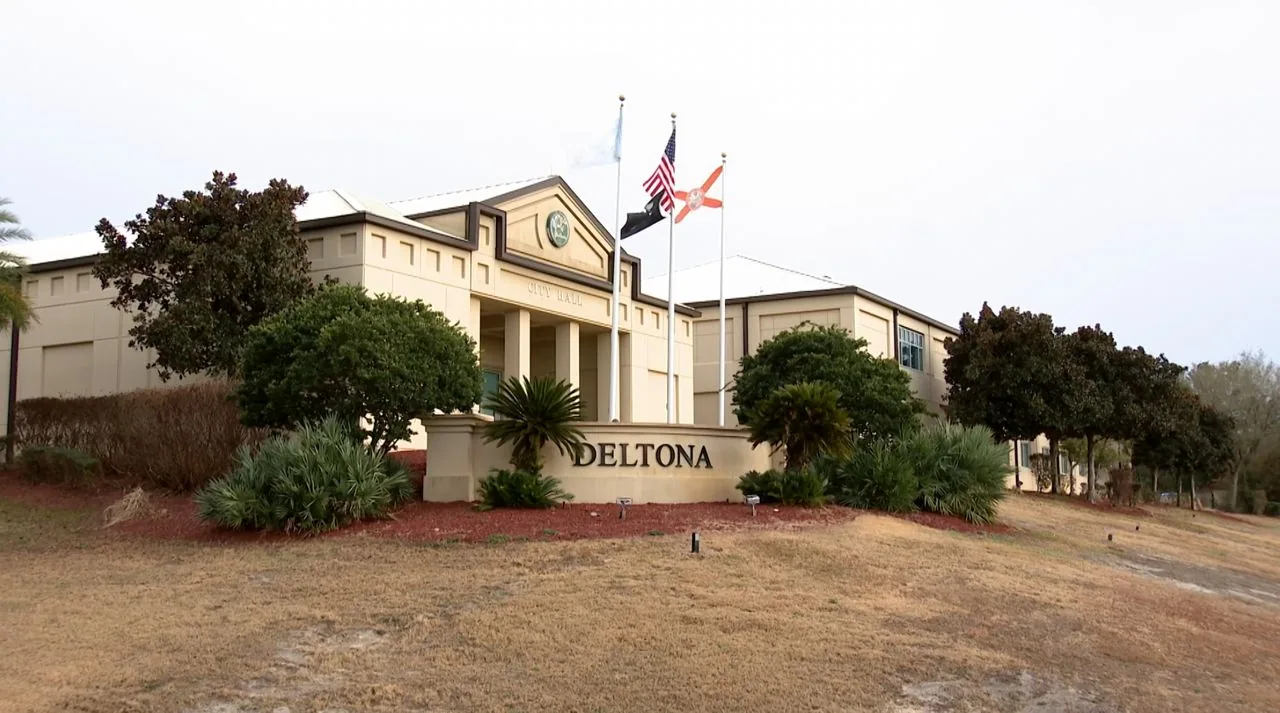
Commercial Roofers Deltona documents the roof before it quotes the work, so every scope starts from what is actually on the building.
Ready to Review Your Roof?
Tell us about the building, the roof and what you are seeing. We will outline the next practical step, whether that is an inspection, a repair scope or a replacement plan.