Drone Roof Inspection in Deltona, FL
Drone roof imaging for large or fragile commercial roofs in Deltona, FL: surface findings, airspace checks near Sanford, storm surveys and follow-up scope.
A drone can see a whole roof in minutes, and that speed is both its strength and its limit. It is the right first look at a large, fragile or hard-to-reach roof, and it is the wrong tool for deciding whether the insulation under that roof is wet. In Deltona, FL, where strip retail, schools and flex buildings carry low-slope roofs, drone imaging gives an owner a clear picture of surface condition without sending anyone onto brittle membrane or wet decking. We use it to document, to prioritize and to decide where a closer, hands-on look is worth the cost.
The deliverable is a set of dated, georeferenced images and a short written finding, organized by roof area. It is meant to support a decision: repair now, inspect further, or plan a replacement. Where the images raise a question about hidden water, we follow with infrared and core-cut moisture work.
Drone Limits: What It Sees Well and What It Misses
Aerial imaging is strong on surface problems. Ponded water leaves staining and algae lines that show clearly from above. Open laps, displaced edge metal, missing fasteners at the perimeter, torn flashing, debris in drains and damaged rooftop equipment all appear in high-resolution frames. Large patterns, such as a row of repairs, a path of wear or a slope that holds water, are far easier to see from the air than from a walk across the surface.
The drone is weak on what lies beneath. It cannot tell dry insulation from wet, and it cannot judge a deck, a seam bond or the condition of the underside of the membrane. A thermal camera can add hints, but the interpretation depends on weather and timing. We treat visible-light and thermal drone imagery as screening, and we use cores and moisture meters to confirm.
Where the Drone Earns Its Fee: Large and Fragile Roofs
Several roof types justify the method. Very large flat roofs, such as a retail center or a distribution building, take hours to walk and minutes to fly. Aged roofs with brittle membrane or rotted decking are hazardous to cross, and every footstep adds damage. Roofs with steep sections, high parapets or rooftop obstacles are slow and risky on foot. Buildings under active use, such as schools or medical offices, are less disrupted when imaging replaces a long walk.
In Deltona, the retail, medical and flex space planned along Howland Boulevard and the Saxon Boulevard approach to the I-4 corridor are a natural fit for this approach. Roofs on buildings like these are quick to survey from the air, and the images give the manager something to show an owner or lender.
Airspace: Flight Rules Near Orlando Sanford and Daytona Beach
Drone work in Central Florida involves airspace, and the rules affect scheduling. Orlando Sanford International Airport sits about nine miles south of Deltona, covering roughly 3,000 acres and handling more than three million passengers in 2025. Daytona Beach International Airport lies about 22 miles northeast, and DeLand Municipal Airport serves general aviation as a reliever for Orlando and Daytona Beach. Locations within controlled airspace around airports require authorization before any flight, and we check the airspace for each address before we schedule.
Flights are conducted under the rules for commercial drone operators, and we keep the aircraft within visual line of sight, avoid flying over people and coordinate with the building contact before takeoff. If authorization takes time, the owner hears about it when we confirm the date.
Condition Mapping: Turning Images Into a Roof Plan
Raw drone photos have little value unless they are tied to the roof. We stitch images into a plan view where possible, mark each finding with a number, and cross-reference it to a close-up photograph. Findings are ranked by urgency, and repeat flights can be compared against the earlier set to show change. The comparison between years is often the most useful product of the program, since it shows the owner how quickly a given defect is growing. An owner who flies the roof each spring can see which seams are growing and which patches are holding.
These records feed longer-term planning. A property manager can place the drone findings next to the capital plan, and the condition report pulls the images into one document. For a portfolio, the same flight pattern applied to each building gives consistent comparisons.
After a Storm: Fast Survey of Storm Damage
Drone imaging is especially useful after severe weather. Hurricane Charley in 2004 sent gusts of 97 mph through Longwood and 101 mph through Altamonte Springs, and Hurricane Milton in 2024 produced gusts of 99 mph at Ponce Inlet. Storms of that scale can leave scattered damage across many buildings. A drone allows the team to check a roof for displaced edges, missing panels and damaged equipment before anyone climbs a ladder, and to rank sites for follow-up.
The same images support insurance documentation. Photographs of the full roof, taken from consistent angles, show the extent of the damage better than a few close-ups, and our storm damage repair and claim records use them for that reason.
Limits and Next Steps: When to Put Someone on the Roof
Flight conditions limit the work. High wind, rain and low light degrade image quality or stop a flight. White reflective membrane such as TPO can wash out detail in bright sun, which is why morning or thin-cloud flights suit it, and glare off standing water can hide the edges of a ponded area. Surface dust, algae and debris can also be mistaken for staining, so we confirm doubtful areas up close before calling them defects. When images show a possible defect, the next step is a hands-on check, and the finding is not treated as final until then.
That sequence keeps the cost proportionate. Drone imaging narrows where the crew needs to go, and the follow-up inspection confirms the cause. Together they spend the hands-on hours where the images say they are needed. Owners who manage several buildings can rank them by the images alone and send the hands-on crew first to the worst roofs, which keeps the inspection budget pointed at the places where water is most likely to be getting in.
Commercial Roofing Questions
Is a drone inspection enough to price a roof replacement?
No, not alone. Images show surface condition and layout, which helps with measuring and with finding obvious defects, but a replacement price needs knowledge of what lies under the membrane. Core cuts and moisture readings supply that, and we add them before a replacement bid is finalized.
Can you fly a drone near Orlando Sanford or Daytona Beach airports?
Often, but not without a check. An address close to an airport can fall inside controlled airspace, which requires authorization before flight. We verify each address and request approval when needed, and we tell the owner if timing will shift.
What do I receive after a drone flight?
You receive dated images organized by roof area, a numbered map of findings, close-ups of the defects and a short written summary with priorities. If the findings call for it, we recommend the follow-up inspection or moisture survey and explain what it would add.
Will a drone survey disturb my tenants?
Very little. Flights are quiet compared with crews on the roof, and they take minutes. We notify the building contact before takeoff and avoid flying directly over people, which sometimes means timing the flight before opening hours.
How often should I fly my roof?
Annually works well for large roofs, ideally before the wet season so any repair items can be completed ahead of the storms. After severe weather, an extra flight documents condition quickly. Consistent timing makes year-to-year comparisons more meaningful.
Ask us to fly your roof before the wet season. You will have a numbered map of findings and a clear view of which areas need a closer look.
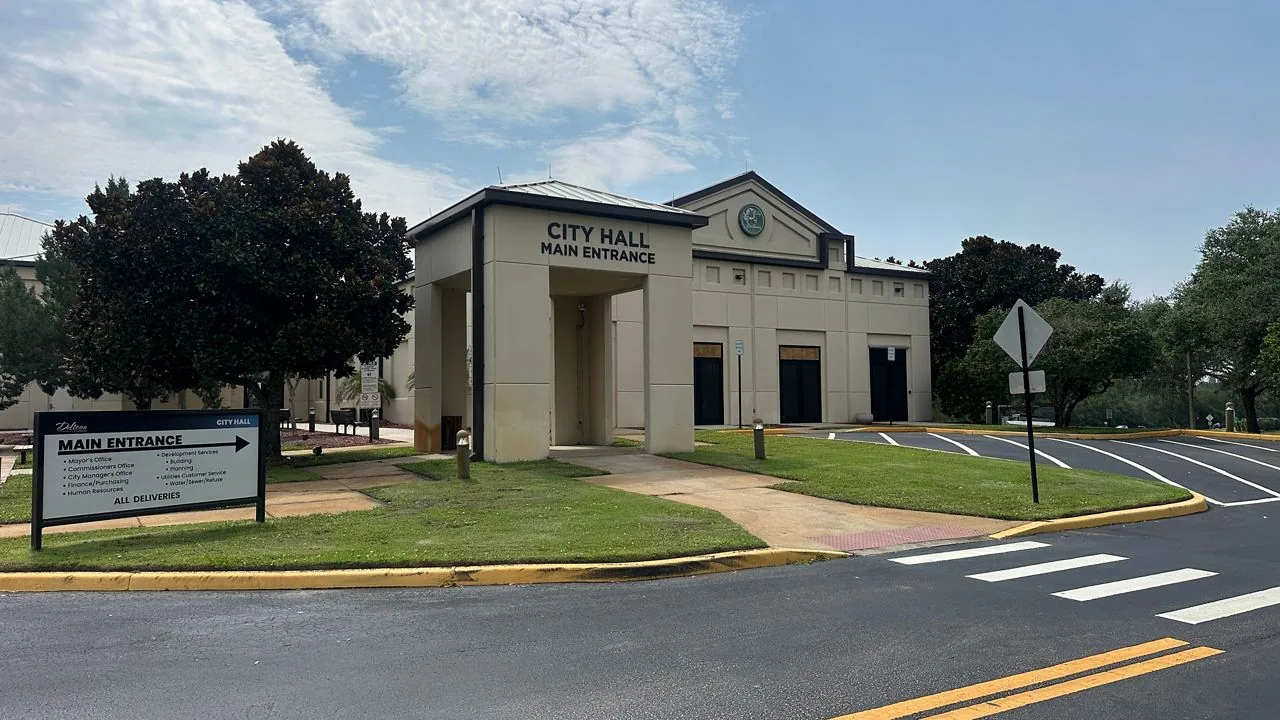
Commercial Roofers Deltona documents the roof before it quotes the work, so every scope starts from what is actually on the building.
Ready to Review Your Roof?
Tell us about the building, the roof and what you are seeing. We will outline the next practical step, whether that is an inspection, a repair scope or a replacement plan.