Roof Insurance Claim Assistance in Deltona, FL
Roof insurance claim documentation in Deltona, FL, records storm conditions, photographs and repair scopes while keeping coverage decisions with the carrier.
A roof claim can lose clarity before the adjuster ever sees the building. A temporary patch changes the evidence, rain moves water beyond the opening, and an old seam may be mistaken for fresh storm damage. Deltona, FL, experienced Hurricane Charley directly in 2004, while DeLand recorded an EF-2 tornado in 2020. After a storm, the owner needs a dated account of what is visible, what was protected and what further inspection is needed, with coverage left to the insurer.
We document roof conditions and prepare repair information the property team can use during claim coordination. That can include photographs, a location map, observed damage, temporary work and a priced repair scope. We do not decide whether a loss is covered. For the roof inspection itself, our storm damage assessment keeps the physical findings separate from the claim decision.
Before the Repair: Preserve What the Roof Shows
We start with the reported date, interior locations, recent roof work and any available inspection photographs. The roof walk checks perimeter metal, seams, flashing, penetrations, equipment curbs and drains for changes that fit the event and for defects that may be older. Each finding gets a location and a photograph. Where the condition is ambiguous, we say so and identify what would resolve it, such as prior records, a closer seam check or a moisture reading.
Deltona's rain is concentrated in the June-through-September period, so a second storm may arrive while a claim is still being assembled. We keep the file organized by visit date and roof area, and label later observations as follow-up rather than folding them into the first inspection. That sequence gives the owner a practical way to track whether a temporary repair held and whether the permanent scope changed after the roof dried. We record whether a temporary cover or dry-in was installed, what area it protects and what permanent repair remains. The owner should keep a copy of invoices, communications and the original images. Our inspection service can establish a baseline when the roof needs a broader condition record beyond the reported damage.
Storm Impact and Existing Wear: Keep the Findings Separate
Claims become difficult when all roof conditions are assigned to one date. Fresh punctures, displaced edge metal or a newly separated flashing may have a different appearance from brittle sealant, an older patch or a seam that has been opening for months. We describe what we can see and compare it with the records provided. A roof's age or a single leak report is not enough for us to name a cause of loss; we look for the physical signs that tie a defect to the event.
Hurricane Charley crossed Deltona, and Seminole County recorded gusts of 97 mph at Longwood and 101 mph at Altamonte Springs. Gusts like those make a perimeter check part of every post-storm walk. We inspect the actual assembly and identify what is new, what is unresolved and what needs repair. Where an edge detail is affected, our edge metal and coping work can be priced as a defined roof scope.
The Claim File: Facts, Photos and a Repair Scope
A useful file lets another person find the same condition. We note roof area, direction, nearby equipment or drains, the visible defect, and any temporary action taken. Photographs should show both the detail and enough surrounding roof to establish where it sits. If wet insulation may extend beyond a visible mark, we identify that question and recommend a scan or selective core before pricing material removal. The resulting repair scope lists what must be replaced, the tie-in details and any access constraint. A membrane repair should identify the material and preparation steps; a TPO assembly, for example, calls for a compatible patch and a sound weld surface.
We can prepare written observations and coordinate with the property manager or adjuster about roof access and the proposed repair. The insurer makes coverage and payment decisions. Our condition reporting and drain and scupper repair give the owner separate records for the claim damage and unrelated maintenance items. This separation prevents a blocked outlet or old maintenance issue from being folded into the storm repair without a clear basis.
Temporary Protection: Record the Limits
When water is entering, immediate protection may be necessary to limit additional interior damage. We identify the opening, use a temporary dry-in where the roof and weather permit, photograph the materials and note what area still needs permanent work. A temporary measure is not proof that the assembly is restored or that concealed moisture has been removed. The manager should keep tenants away from unsafe ceiling areas and move sensitive equipment until the source and interior condition are assessed.
Howland Boulevard and Deltona Village sit near the SR 472 and I-4 connection, a broad commercial area with retail, medical and flex uses. That mix makes access and ongoing operations part of the repair schedule. We coordinate staging, tenant notices and equipment constraints before permanent work begins. For active leaks, a leak tracing visit can help locate the entry point; where there is a wider area of suspected moisture, an infrared survey may help scope the next inspection.
Repair Decision: Do Not Let the File Hold Up the Roof
Documentation should support a decision, not keep a roof open while paperwork moves. We identify urgent conditions that need protection, explain what permanent work can proceed, and show which items still depend on further review. If the roof is repairable, the owner can consider a targeted fix. If damage reaches a broad area or prior deterioration is also present, we can compare repair against a recover assessment or replacement scope without mixing those costs into the claim item.
DeLand's 2020 EF-2 tornado cut a 4.6-mile path of damage, and the same precision applies to any event: the date, the storm and the address have to match the roof being claimed. A careful claim package names only the observed roof, the documented date and the repair actually required. Once the work is finished, photographs and material notes give the manager a clear reference for future maintenance and the next storm review.
Commercial Roofing Questions
Can you tell me whether the insurer will pay for the roof repair?
No. The carrier determines coverage under the policy. We can inspect roof conditions, document what is visible and prepare a repair scope so the owner has clear technical information for that discussion.
Should emergency work wait until the adjuster visits?
An active opening may need temporary protection to limit additional water entry. We document the condition before and after that work where access is safe, then identify the permanent repair still required. The owner should follow the carrier's notice instructions while protecting the building.
What photographs help explain storm damage?
A close view shows the defect; a wider view shows where it sits in relation to an edge, curb, drain or roof area. We label the location and date, and keep existing wear separate from a condition that appears tied to the reported event.
Can you separate old leaks from a new storm opening?
We compare the visible defect with maintenance history, prior images and the reported water pattern. Some conditions need closer testing before a cause can be assigned. We state what the roof shows and what remains uncertain rather than making the claim decision for the carrier.
What should I keep after the roof repair is finished?
Keep the dated report, photographs, work authorization, invoices and notes on materials installed. The record can help a future manager distinguish the completed storm repair from later wear and can support routine roof maintenance.
Arrange an inspection after storm damage or before a claim discussion. We will document roof conditions and the repair scope while leaving coverage decisions to the carrier.
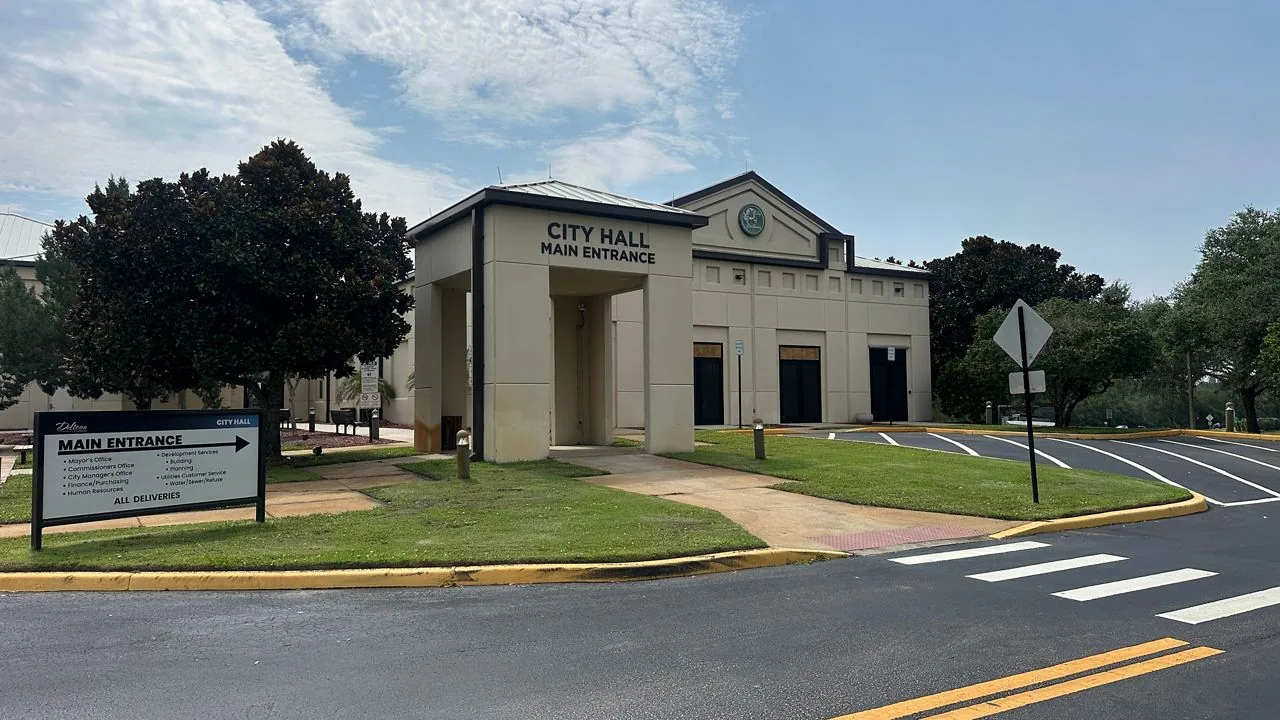
Commercial Roofers Deltona documents the roof before it quotes the work, so every scope starts from what is actually on the building.
Ready to Review Your Roof?
Tell us about the building, the roof and what you are seeing. We will outline the next practical step, whether that is an inspection, a repair scope or a replacement plan.