
Roofing for Retail and Restaurant Chains in Deltona, FL
Roof repair, maintenance and replacement planning for Deltona retail and restaurant chains, with separate scopes for stores, kitchens and occupied work zones.
One chain's leak spreadsheet can hide two different failures: a seam over a sales aisle and a curb opening above a kitchen exhaust fan. The call comes from the same facilities desk, but the roof and operating risk are not the same. We map each affected site and zone, record moisture and access constraints, and set a repair scope the local manager can schedule. That helps a chain respond to active water without turning every service ticket into a replacement project.
Deltona's commercial mix includes neighborhood retail and restaurant uses, with Howland Boulevard and Deltona Village planned for retail, medical-office and flex space. Those facts help frame local access and operating patterns, not the condition of any single business. We inspect each roof separately, then deliver records that ownership can compare across locations without carrying one store's system or defect onto another.
Site Ticket: Connect the Complaint to a Roof Zone
Water may enter at a seam, drain, skylight, exhaust curb or service penetration and travel before it reaches a ceiling. We compare the complaint with roof slope and interior conditions, then use moisture scanning or selective testing when the result changes the repair boundary. A roof map marks what is wet, what remains unconfirmed and which department or dining area needs protection. That gives the facilities manager a specific work order instead of a note that says repair leak.
Storefront canopies, parapet signs and rooftop units create transitions that differ from the main roof field. We inspect their flashing and attachment without treating a sign or canopy as proof of a leak. Where a delivery or service visit changed a detail, the scope records the interface and who is responsible for returning it to a watertight condition.
Store and restaurant roofs have different equipment and hours. A kitchen can have exhaust, make-up air and refrigeration curbs, while a retail floor may have long membrane runs, skylights and loading doors. Trade work can disturb flashing around either. We record the failed detail and nearby conditions, then assign the roofing task around any mechanical handoff. A store roof inspection creates a common record, and a curb and support review helps define responsibility before equipment is moved.
For an active leak, crews respond at any hour, including holidays. We first work to reduce interior exposure and secure a temporary condition. The lasting repair waits only until the roof is safe to assess. The local manager should know which entrance, kitchen area or sales zone may be affected and who can authorize a short restriction.
Chain Records: Keep Every Store's Assembly Distinct
A multi-location report can use the same fields while keeping roof facts specific to each address. We record membrane type, drainage, penetrations, moisture, earlier repairs and known warranty documents. Two stores that look alike from the parking lot may have different layers or deck conditions. A chain should not price a replacement from the last site's assumptions. The roof map and photos let facilities compare condition without flattening each building into a generic category.
Deltona retail employment accounts for 15.4 percent of local jobs, and the Howland Boulevard corridor was planned with substantial retail space. That local context makes store access and customer hours relevant to scheduling, but each business controls its own operations. A hospitality group may need guest-room phasing, while a property management team may coordinate several tenants at one address. Our scope stays with the roof in front of us.
Repair, recover and replacement options should separate tear-off, wet insulation, deck allowance, drainage, curbs, edge metal and temporary cover. A contained failure with dry surrounding materials may support repair. A recover requires a suitable, dry assembly; repeated failures or broad moisture can justify removal. Chain procurement can compare bids more reliably when each proposal carries the same roof limits and makes site-specific schedule assumptions visible.
Store Hours: Price the Disruption With the Roof Work
Water above a kitchen may require temporary protection near food preparation, while a sales-floor leak can affect inventory or customer routes. We mark the interior exposure and coordinate lift positions, delivery windows, fan shutdowns and noisy work with the manager. Work can often be divided into roof zones, but the proposal should identify the area that may need to close and how the crew will secure it before leaving.
Deltona averages 51 to 53 inches of rain a year, most falling from June through September. An open seam or slow outlet can be tested repeatedly during those months. We check drains, scuppers, low points and membrane around the equipment area, then price drainage corrections beside the leak work. The owner can see whether the repair needs more than a patch before the next storm reaches the same location.
A chain-wide roof record can track completed repairs, deferred conditions and next review dates, while planned maintenance can revisit seams and outlets before a new ticket appears. The records should state what was actually inspected and which sites remain unreviewed. That protects the usefulness of the portfolio view without implying that every location has the same exposure.
Local Access: Set Each Work Window Before Rain Returns
Charley crossed Deltona in 2004, followed by Frances and Jeanne. Ahead of hurricane season we review corners, perimeters, curbs and penetrations and list the loose or open conditions we find. In a wind-related roof assessment, those current findings stay apart from old repairs and future maintenance.
Crew arrival and material delivery are planned from the junction of SR 472 and Howland Boulevard by I-4. Each location still needs its own entrance, loading and staging instructions. A Howland Boulevard service plan can help coordinate access without replacing the property manager's site requirements. For closeout, we provide the repaired zones, material notes and remaining defects so the chain's facilities team can assign follow-up and keep the next decision on its calendar.
Where removal exposes a different assembly or unexpected moisture, we stop at the defined boundary, document what changed and price the additional work for approval. The chain can then decide whether to complete the section, protect it temporarily or revise the sequence. A clear handoff between central facilities, the local manager and the roofing lead keeps the scope tied to the roof condition and the business schedule.
Commercial Roofing Questions
How can a chain compare roof conditions across different stores?
Use a consistent record format but keep each building's roof map, system, moisture and repair history separate. We identify active leaks, deferred items and next review dates per site. That helps facilities rank work without assuming one store's roof assembly applies to another.
Can repairs be scheduled outside retail or restaurant peak hours?
Often, but access, fan shutdowns, delivery windows and customer routes must be agreed before mobilization. We set a roof-zone limit and close exposed areas before leaving. The local manager should identify who can approve a short closure if a hidden condition changes the work.
What should a chain include in its roofing service record?
Keep photos, roof location, materials installed, drainage corrections, remaining defects and the date to revisit each item. We distinguish a completed repair from an open reserve concern. The record helps a different facilities manager respond without repeating the original investigation.
When should Deltona retail locations prepare roofs for hurricane season?
Start early enough to inspect edges, seams, curbs and outlets before summer rain compresses the schedule. Charley crossed Deltona, making a pre-season look useful. We document current conditions at each reviewed location and do not extend a finding from one store to another.
Call with the work order, operating window or chain roof record. We will map the affected section, coordinate local access and show which sites need immediate repair or a capital decision.
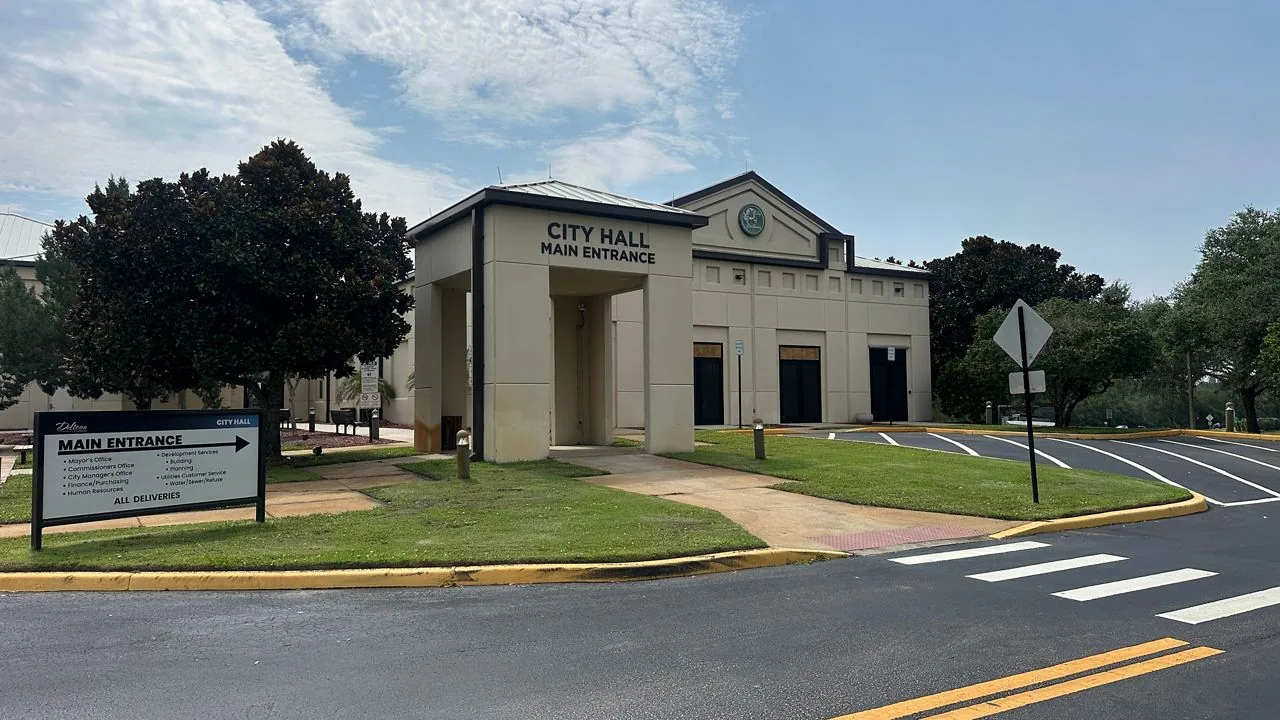
Commercial Roofers Deltona documents the roof before it quotes the work, so every scope starts from what is actually on the building.
Ready to Review Your Roof?
Tell us about the building, the roof and what you are seeing. We will outline the next practical step, whether that is an inspection, a repair scope or a replacement plan.