
Cool Roof Installation in Deltona, FL
Plan a reflective commercial roof in Deltona, FL with substrate, drainage and coating checks. We compare restoration and replacement before the wet season.
A dark roof holding heat through a Deltona afternoon can make the last hours of a workday harder on the building and its cooling system. The decision is not simply to paint the roof white. A reflective surface has to bond to a sound, dry assembly, drain correctly and fit the membrane below it. We begin with the roof's condition, because a coating over trapped moisture postpones the leak only until the next wet season exposes it.
Our inspection maps ponding, open seams, surface wear and any wet insulation, then compares a coating with a recover or replacement. For an owner near Howland Boulevard or the I-4 corridor, that written comparison puts the heat concern beside the actual failure points and the work the roof can carry now.
Heat at the Surface: What Reflective Roofing Changes
A reflective roof sends more incoming sunlight away from the membrane than a dark surface does. That can reduce heat absorbed at the roof and may help limit the load passed into the building, but the result depends on insulation, air leakage, rooftop equipment and how the space is used. We avoid promising a fixed utility saving from color alone. Before color enters the conversation, the question is whether the roof under it can take a reflective finish without hiding a defect.
July highs of 92 degrees F follow a January average near 70, and Deltona's roughly 51 to 53 inches of yearly rain falls mostly from June through September. That combination works on seams and coatings through repeated heat and wetting. We check adhesion and drainage before the owner chooses a system, then set a maintenance interval that keeps the finished surface inspectable.
Substrate Test: Decide What Can Stay
A coating is a restoration layer, not a repair for every roof. We walk the field and perimeter, probe suspect areas, check seams and flashings, and identify the membrane. Where moisture may sit below the surface, infrared readings and test cuts help define the wet area. Loose material, active leaks, saturated insulation or an unstable deck have to be corrected before a coating can be considered. If the substrate cannot hold a reliable bond, a new system is the safer scope.
On a TPO or PVC roof, surface preparation and primer requirements differ from an older modified-bitumen or built-up roof. We test a representative area and document the result before pricing a larger application. Our roof coating restoration starts with those checks, while a full commercial roof inspection can establish the condition map when the leak history is incomplete.
System Choice: Match the Finish to the Roof
Acrylic and silicone coatings do not solve the same drainage problem. Acrylic works where the roof sheds water and the prepared surface supports the specified system. Silicone can be considered where limited ponding remains, but the roof still needs positive drainage and sound details. We compare the manufacturer's requirements with the existing membrane, slope, repairs and expected foot traffic. A reflective finish that cannot be maintained around equipment will lose value before its service life is used.
We check whether seams need reinforcement, whether metal edges can remain, and how drains and curbs will be treated. The owner sees the chosen system, preparation and exclusions in the scope, with separate prices for repairs that must happen first. Where a new membrane is more sensible, acrylic roof coatings and silicone coatings can be weighed against a replacement rather than presented as interchangeable finishes.
Rain Window: Schedule Around Deltona's Wet Months
Coating application needs the surface, air and forecast to meet the product requirements. Afternoon storms make a late-day start risky, so we plan the sequence around a dry window and keep each completed area protected from premature rain. We also confirm access to drains, hatchways and rooftop equipment before mobilization. A short weather delay is cheaper than washing uncured material into a drain or leaving a transition unfinished overnight.
Hurricane Charley passed directly over Deltona in 2004; Frances and Jeanne also affected the city that year. We recommend making the coating decision before hurricane season, when there is time to repair edges and document the finished roof. Retail and medical space along Howland Boulevard keeps operating hours that shape the work plan. A broad Deltona and I-4 corridor roof program still needs a building-by-building condition check.
Budget Choice: Compare the Full Scope
The coating price includes more than material spread over the field. Preparation, repairs, reinforcement, priming, detail work and access can decide whether restoration costs less than a tear-off. A roof with many penetrations or wet sections may need so much repair that replacement is the better reserve decision. We separate required preparation from optional work, then show which deferred items could shorten the coating's useful life.
Deltona's commercial mix includes neighborhood retail, medical offices, schools and small flex buildings, with zoning for industrial, warehouse, healthcare, recreation and lodging uses. Those buildings do not share one cooling schedule or roof layout. We ask what spaces run late, what equipment must stay powered and when tenants can tolerate noise. A work plan for occupied buildings can keep the same access concerns visible if the best option is replacement rather than coating.
Owner Decision: Restore or Replace
Three findings settle the choice: moisture below the membrane, the condition of seams and flashings, and whether the roof drains after rain. A clean, dry surface with isolated repair needs may be a coating candidate. Widespread wet insulation or recurring leaks point toward removal. We put those findings beside the cost and timing of each option, including the work around curbs, drains and edges, so the owner can authorize a scope with the tradeoffs in view.
After installation, the roof still needs a walk after significant weather and periodic review of seams, drains and coating wear. Our maintenance visits record the next repair before water reaches a tenant space. When the building needs a capital timeline, roof capital planning helps place restoration beside eventual replacement. The right choice is the one the deck and budget can support before another summer of rain tests the details.
Commercial Roofing Questions
Will a reflective roof lower my cooling bill?
A reflective roof can reduce heat absorbed at the surface, while energy savings vary with insulation, air leakage, equipment and building hours. We can explain the roof-side change and the conditions that affect it. We will not assign a fixed savings number from color alone.
Can a coating go over my existing commercial roof?
A dry, stable substrate with sound seams and a compatible surface may qualify. We test adhesion, check for trapped moisture and map repairs first. Wet insulation, active leaks or a weak deck must be addressed before the owner spends on a reflective finish.
Which is better in Deltona, acrylic or silicone?
Acrylic suits a roof that sheds water and meets system requirements; silicone can be considered where limited ponding remains. We inspect the slope, membrane and details before recommending either one.
When should coating work be scheduled?
Choose a forecast window that gives the surface time to meet the product's cure requirements before rain. In Deltona, planning before the June-through-September wet stretch gives more room for preparation and repair, though current conditions still set the application date.
What happens if the roof has wet insulation?
The wet area has to be identified and removed or otherwise corrected under the selected system. A coating cannot dry saturated board sealed below it. We use inspection findings and, where useful, test cuts to price the repair separately from the reflective finish.
Schedule a condition walk before the next wet season. We will show where reflective restoration fits, what needs repair first and when replacement belongs in the reserve plan.
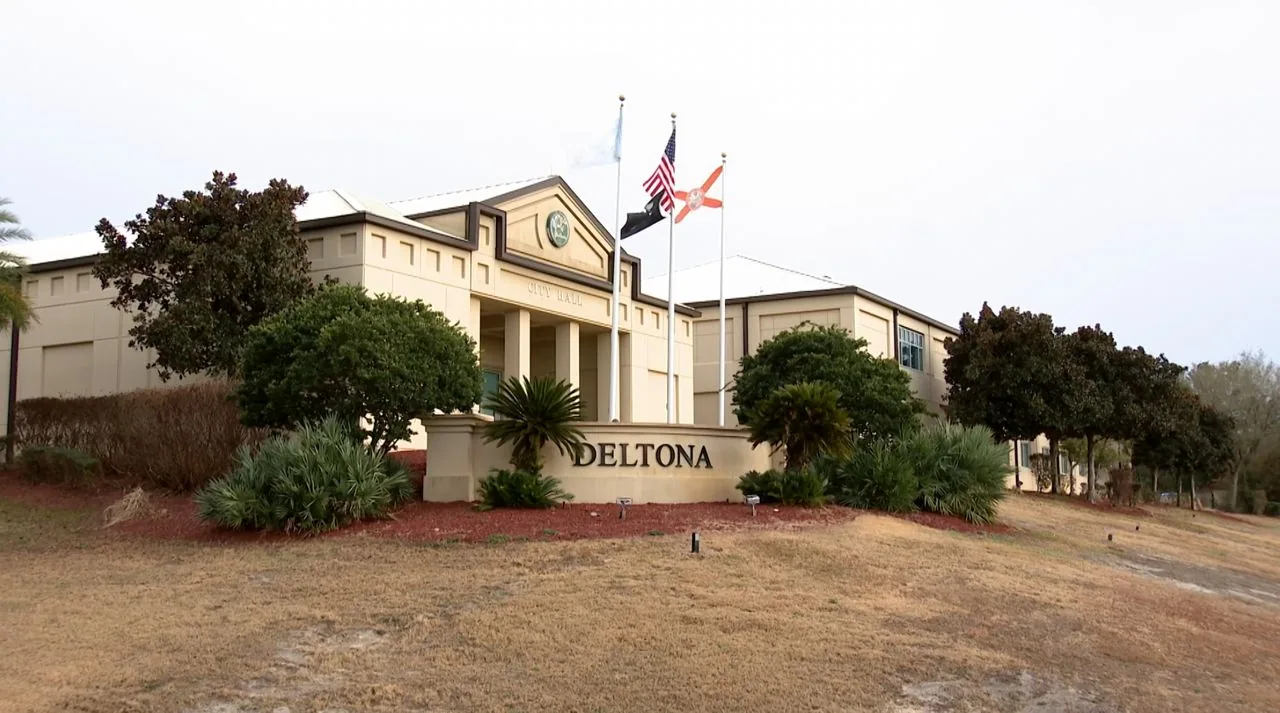
Commercial Roofers Deltona documents the roof before it quotes the work, so every scope starts from what is actually on the building.
Ready to Review Your Roof?
Tell us about the building, the roof and what you are seeing. We will outline the next practical step, whether that is an inspection, a repair scope or a replacement plan.