Acrylic Roof Coatings in Deltona, FL
Acrylic roof coatings in Deltona, FL, with drainage, adhesion, surface repairs and weather windows checked before a reflective restoration is priced.
Acrylic coating that softens at a low spot after a long storm can leave a roof exposed before the owner sees a stain below. In Deltona, the same afternoon rain that helps reveal that weakness can interrupt a repair crew trying to restore the surface. A coating is a candidate only when the existing roof is dry, stable, clean and able to shed water. We check those conditions before pricing a reflective restoration.
Acrylic coatings are liquid-applied systems that can renew compatible commercial roof surfaces when preparation, reinforcement and drainage are handled correctly. They are not a substitute for correcting ponding or removing wet insulation. Our inspection maps coating condition, seams, drains and flashings, then compares the proposal with silicone restoration or spray-foam repair where the roof assembly supports that choice. The owner sees both the application and the repairs underneath it.
Drainage First: Acrylic Needs Water to Move Off the Roof
Acrylic coatings are not intended to solve extended ponding. A flat area, low drain bowl or blocked scupper keeps water on the surface and can soften or degrade the coating. We inspect drainage after rain when possible, compare the flow path with the roof plan, and identify the low points that need correction. If water remains because the slope or outlet is wrong, the proposal must fix that before application.
Deltona averages about 51 to 53 inches of rain each year, with a large share arriving from June through September. That seasonal pattern makes drainage more than a finish detail. We check drains, overflows and gutters, then separate correction work from the coating quantity. Our drain and scupper repairs can address outlets, while a tapered insulation scope may be considered where the roof structure and design allow water to move. A coating laid across a persistent pool does not change that path.
Surface Preparation: Remove What Cannot Hold the New Film
Dust, chalking, loose coating and incompatible prior repairs can all weaken a new acrylic layer. We identify the existing substrate, clean representative areas and check adhesion as required by the proposed system. Loose material is removed, seams and fasteners are repaired, and reinforcement is placed where the detail needs it. The estimate states how much preparation is included and what condition would require additional work once cleaning exposes the surface.
On a Deltona retail or medical roof, equipment service can leave grease and foot traffic at specific locations. We mark those zones and use compatible cleaning and detail products rather than applying field coating over contamination. The owner should see a test area or other confirmation where the substrate raises a question. We record the application thickness and curing conditions so the finished film can be checked against the specified system, not judged only by appearance.
Seams and Reinforcement: Treat the Stress Points Separately
Seams, fasteners, penetrations and transitions move differently from a broad roof field. A coating system may need fabric or another compatible reinforcement at those points, but reinforcement is not a bridge across loose flashing or a moving joint. We inspect each detail, repair unstable material and identify where reinforcement is specified. The work sequence should close seams and transitions before field application begins.
Deltona Village was planned on Howland Boulevard with retail, medical-office and flex-space uses. Those different operations can mean varied rooftop equipment and maintenance traffic, so a repair plan needs marked access paths and protection. The coating area should not absorb repeated service wear where a walkway can be provided. We price the detail work separately, giving the owner a clear comparison between a field recoat and the repairs needed to make the surface ready.
Weather Window: Allow for Cleaning, Drying and Cure
A coating requires a dry substrate and a forecast that leaves enough time for the specified cure. Dew, shade and afternoon showers can change the application window across a large roof. We plan washing first, allow the surface to dry, and apply only the area the crew can protect and complete under the product's instructions. If the weather shifts, the day is resized rather than leaving an open edge for rain to test.
Deltona's mean July high is 92 degrees Fahrenheit, and summer storms often arrive later in the day. We schedule access, staging and application around those conditions and coordinate with the building's operating hours. A clinic may require air-intake protection; a retail site needs entrances kept clear. Our occupied-building plan sets those requirements before material reaches the roof, with a written sequence for each work area.
Application quality also depends on a consistent wet-film build and attention to laps, fasteners and vertical transitions. We record the specified coverage and do not stretch material to make a quantity reach farther. The owner can review which areas received reinforcement, where the crew stopped for weather and what work remains before the roof is returned to routine access.
Repair or Replace: Compare Acrylic With the Whole Assembly
Repeated leaks, wet insulation, poor adhesion or persistent ponding can make a recoat more expensive than a defined replacement. We map the existing condition and list the material that remains below the new film. If only seams and penetrations need work, the owner may authorize a local repair before considering broader restoration. If the coating has failed across the field, a new system requires evidence that the substrate can carry it.
Hurricane Charley crossed Deltona in 2004, and September is the most hurricane-susceptible month cited for the city. Before that season, owners can compare a maintenance correction with a capital replacement rather than wait for a storm to open an untreated detail. Our restoration evaluation documents preparation and application needs; a roof condition report preserves photographs and remaining defects. Along the Howland Boulevard corridor, a clear decision date gives tenants and operations time to plan around the work.
Commercial Roofing Questions
Can acrylic coating go over a roof that holds water?
Persistent ponding needs correction before an acrylic restoration is considered. We locate the low points, inspect drain and overflow capacity, and state whether slope or outlet work is required. Applying a coating across a pool leaves the same drainage defect in place.
How do you confirm an acrylic roof coating will stick?
We identify the existing surface, remove contamination and loose material, and perform adhesion checks where the proposed system calls for them. A test area can guide primer and preparation choices. If the substrate or prior coating remains unstable, we revise the scope before field application. We keep the preparation notes with the closeout photographs, so later maintenance starts with the tested substrate rather than an assumption about what was under the coating.
Will acrylic coating make a Deltona roof cooler?
A reflective finish can reduce solar absorption compared with a darker surface, but the result depends on the product, coverage, roof construction and condition. We focus the scope on a continuous, compatible coating system and do not promise a specific indoor temperature or energy saving without building data.
What repairs are needed before acrylic coating?
Open seams, loose flashing, wet insulation, damaged penetrations and drainage problems are reviewed first. We repair or remove failed material, reinforce specified details and document the prepared substrate. The owner receives those items separately from the field-coating quantity.
Can coating work be scheduled during the summer rain pattern?
It can fit a suitable dry interval when the surface and forecast meet application requirements. We plan cleaning, drying, detail work and cure time in order, and close each day's boundary. Starting the evaluation before the wet months gives more room to complete approvals and weather-sensitive work.
Call before the next wet season. We will map ponding, seams and surface condition, then compare an acrylic restoration with the repairs or replacement the roof may need.
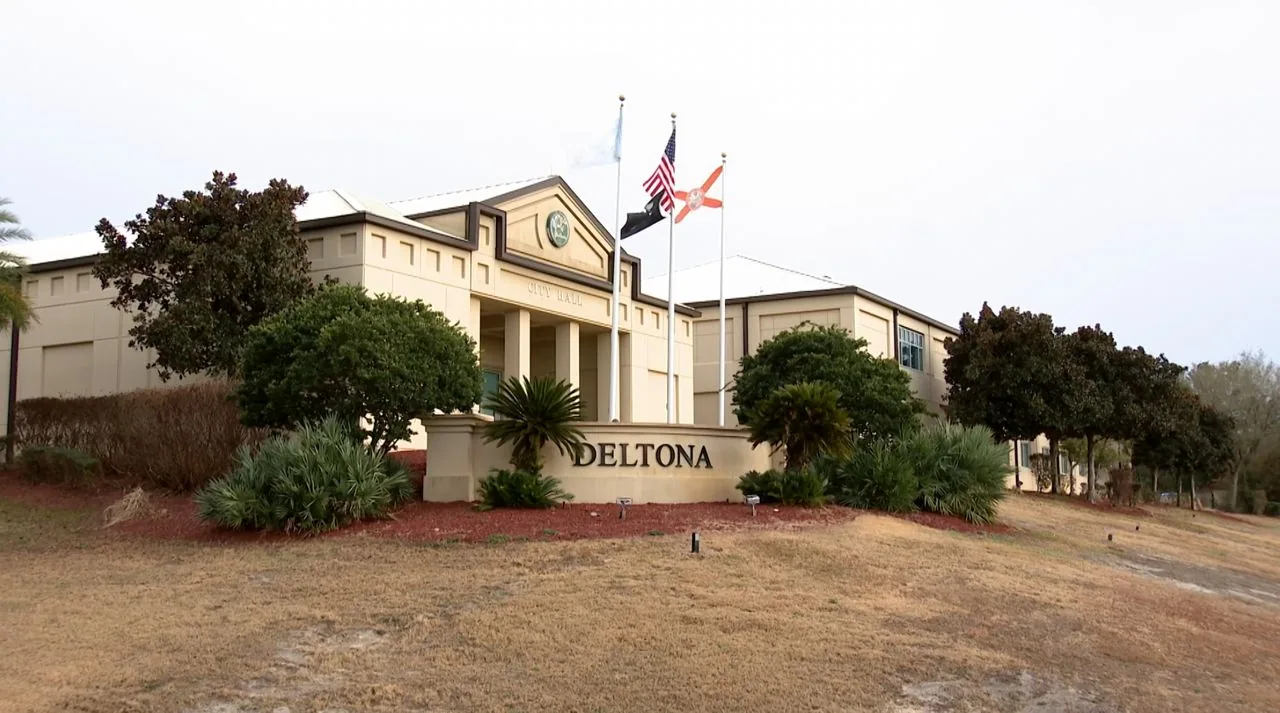
Commercial Roofers Deltona documents the roof before it quotes the work, so every scope starts from what is actually on the building.
Ready to Review Your Roof?
Tell us about the building, the roof and what you are seeing. We will outline the next practical step, whether that is an inspection, a repair scope or a replacement plan.