Commercial Roof Insulation and Cover Board in Deltona, FL
Commercial roof insulation and cover board in Deltona, FL, addresses wet material, slope, attachment and protection before the membrane is installed.
A soft spot underfoot changes the roof scope. The membrane may still shed water, but wet insulation beneath it can lose performance, compress under traffic and leave the deck exposed to continued damage. Deltona, FL, averages roughly 52 inches of rain annually, with the wettest stretch running through summer; July mean daily highs reach 92 F. An assembly built for that cycle needs insulation and cover board suited to the deck, moisture condition, wind design and planned roof system.
We inspect the existing layers, identify likely wet areas and compare repair, recover and replacement options before insulation is priced. Where moisture extent is not visible, an infrared moisture survey can help define the next step. The scope should state what stays, what is removed and how the new layers will be attached.
Existing Assembly: Find What Is Wet and What Is Sound
We start by identifying the deck type, roof membrane, insulation layers, cover board and prior repair areas where they can be established. Softness, displaced fasteners, recurring ponding and interior staining can point to concealed moisture, but those signs do not set the removal boundary by themselves. A scan, test cuts or selective cores may be needed to determine whether insulation is dry enough to remain. We map those findings so the owner can compare targeted replacement with a broader tear-off.
At Deltona Village on Howland Boulevard, retail, medical office and flex uses were planned together, which illustrates why roof access and interior operations may differ across a property. We coordinate the actual building's work zone, protect occupants below an opened area, and sequence removal so the deck is not left exposed. A phased occupied-building plan can address tenant notices and access before demolition begins.
Insulation Choice: Fit the Roof, Not a Catalog Default
Insulation type, thickness and attachment affect thermal performance, drainage and wind resistance. Polyisocyanurate, expanded polystyrene and mineral wool each have different properties and use conditions; the right choice depends on design requirements, existing layers, fire and code considerations, and the roof system. We confirm the specified assembly rather than selecting a board solely because it is familiar. If slopes are needed, tapered pieces should form a continuous drainage path to an outlet.
A thicker layer can change edge heights, curb transitions, scupper elevations and equipment clearances. Those details need to be measured before the membrane is installed. We coordinate tapered insulation with drains and scuppers, and review curbs and equipment supports where the new roof build-up changes the transition. In the I-4 and Howland Boulevard area, traffic and delivery access can constrain staging, so material placement is part of the project schedule.
Cover Board: Protect the Membrane and Support the Work
Cover board sits above insulation to provide a more durable surface and support the roof membrane. It can improve resistance to impact and foot traffic, but thickness, type and attachment must match the assembly and design. We check how the board spans joints, how its edges are supported, and whether fasteners or adhesive remain compatible with the deck and insulation beneath. A loose board or poorly staggered joint can telegraph movement into the membrane above.
Roof traffic from mechanical service is a repeated source of wear. We identify service paths, access points and areas around rooftop units where additional protection may be useful. The owner should see any walkway, curb or equipment transition as a separate detail in the scope. A maintenance program can later track the condition of those routes and note whether cover-board protection is being damaged by repeated access.
Attachment and Wind: Tie the Layers to the Deck
Each layer must resist the forces designed for the building. Mechanical fasteners, low-rise foam adhesive or another approved attachment method is selected for the deck and assembly, with spacing and perimeter conditions accounted for. The edge detail carries the membrane and board into the perimeter system. We review the fastening pattern, substrate condition and edge metal as one connection rather than assuming that a strong field attachment compensates for a weak perimeter.
Hurricane Charley passed directly over Deltona in 2004, and nearby Longwood recorded a 97 mph gust during that storm. We set attachment from the project criteria and existing assembly to establish the attachment scope. For membrane work above the board, a TPO system or modified bitumen assembly must be installed over a substrate prepared for that system.
Budget and Sequence: Decide Before the Roof Is Open
Insulation work affects tear-off, disposal, protection, staging and time under temporary dry-in. We itemize removal by area, deck repairs, insulation type and thickness, tapered layout, cover board, attachment, membrane and transition work. If only one section is wet, the owner can compare a localized correction with a system-wide replacement. If the deck is deteriorated or moisture is widespread, a patch of new board over the problem will not protect the reserve line.
The dry season gives the crew a more predictable opening, but summer work can proceed when zones are kept small and the forecast supports safe closure. We also confirm where temporary drains or protection will direct runoff during each phase, so an open section does not send water toward occupied rooms. We tell the manager which areas will be exposed each day and what protection is planned if weather changes. Before any layer is removed, the project team confirms loading limits, hoisting access, material storage and how the building will remain protected at the end of the shift. Those choices affect the number of open roof zones and the order of work. A schedule that cannot close each area safely should be revised before tear-off, not after a storm interrupts it. Hoisting, disposal chutes and material storage get the same scrutiny, because each one decides how many roof areas are open at the same moment. A replacement scope can include the full assembly, while a recover option is considered only if the existing layers meet the applicable conditions. The owner receives the written comparison before tear-off starts.
Commercial Roofing Questions
How do you know whether roof insulation is wet?
A roof walk can identify soft areas and leak history, while infrared scanning can help map suspected moisture. We confirm uncertain readings with selective cores where the result would change the removal boundary. The scope should show where insulation is retained and where it is replaced.
What does cover board do under a commercial roof?
It provides a more durable surface above the insulation and can protect the membrane from impact and service traffic. The type and attachment depend on the roof assembly and design. A cover board does not correct wet insulation or a weak deck beneath it.
Can new insulation be installed over the existing roof?
Sometimes, if the existing assembly is dry, attached and eligible for recovery. We inspect the layers and confirm the planned build-up, edge height and drainage before recommending an overlay. Wet or unstable material must be addressed before it is covered.
Will added insulation affect drains and equipment curbs?
It can raise the roof surface and change the height of scuppers, drains, door thresholds and mechanical curbs. We measure those transitions during design and include needed extensions or rebuilt details. Leaving the existing heights untouched can create ponding or a flashing failure.
What changes insulation pricing in Deltona?
The main drivers are removal area, deck condition, insulation type and thickness, tapered layout, attachment method, access and weather protection. We price those items separately so the owner can see where the scope changes. A scan or test cut may be worthwhile when the wet boundary is uncertain.
Schedule a roof-layer review before pricing insulation or cover board. We will map moisture, confirm transitions and show the owner which layers can remain and which need replacement.
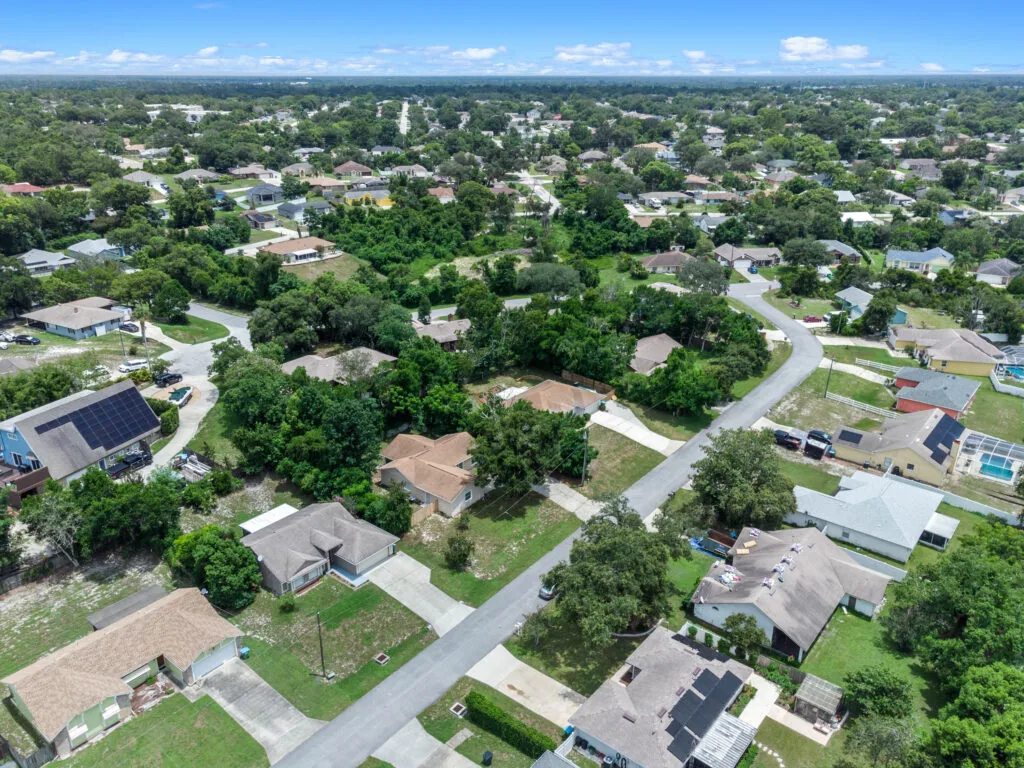
Commercial Roofers Deltona documents the roof before it quotes the work, so every scope starts from what is actually on the building.
Ready to Review Your Roof?
Tell us about the building, the roof and what you are seeing. We will outline the next practical step, whether that is an inspection, a repair scope or a replacement plan.