Commercial Heat and UV Roof Damage Repair in Deltona, FL
Heat and UV damage repair in Deltona checks brittle membrane, open seams and wet insulation, then weighs coating, repair or replacement against the assembly.
A membrane that has become brittle can crack at a seam or curb before a broad area looks worn from the ground. Heat and sunlight age exposed surfaces; summer rain then tests every split and loose transition. We inspect the roof material, identify where flexibility or bond has changed and check whether moisture has reached the insulation. The owner needs to know whether the surface can still be repaired or coated, or whether deteriorated material has moved the decision toward removal.
Deltona's mean daily highs run from about 70 F in January to 92 F in July, and much of the city's rain falls from June through September. Those conditions make repair timing important, though a hot July says little until the surface is examined. We inspect the actual assembly along broad commercial corridors such as the Deltona I-4 area, then compare the surface with seams, drains and interior reports. If an open lap has formed, a seam failure review can determine whether the split is local or part of wider aging.
Surface change: Distinguish aging from active entry
Sun exposure can dry or embrittle some roof surfaces, while ponding, movement and incompatible repairs create separate stresses. We look for cracking, exposed reinforcement, split seams, loose flashing, blistering, surface erosion and brittle coating. The pattern matters: a single tear can be repaired locally, while failures across several roof zones may point to a system that has reached its useful limit. The material type and the roof's repair history then put those observations in context.
Retail, medical-office and flex uses are all part of the Deltona Village plan along Howland Boulevard. That mix shows how a roof decision can involve tenants, equipment and business hours. A commercial roof inspection records the assembly, while a roof coating evaluation checks whether the surface and substrate are suitable for restoration rather than merely covering damage.
Heat-related surface wear may coexist with wet insulation. We map the suspected areas and test where the result changes the scope. If water remains at low points, a ponding-water review can address drainage separately from membrane aging. The owner should not pay to coat over a wet or unstable assembly that will require removal later.
Wet-season pressure: Avoid carrying a split into another cycle
Deltona's wet months bring repeated rain while roof surfaces remain exposed to summer heat. An open seam can admit water, and moisture may travel along insulation before it appears inside. We identify the visible defect, interior zone and tested boundary, then state which material remains dry and which must be removed. If the owner waits without a temporary measure, the repair area can expand even though the original crack is small.
What it costs to wait includes more than patch material. Access may need to be coordinated again, insulation removal can widen, and interior protection may remain in place longer. A photo condition report shows the surface changes and test results, while a puncture repair comparison can separate impact damage from gradual brittleness. We keep those conditions distinct because they may call for different materials and work boundaries.
A coating can extend service only when the existing roof and coating system are compatible and the substrate is sound. We check adhesion, moisture, seams, flashings and drainage before recommending a restoration scope. If the assembly is not eligible, a replacement comparison can show the removal and rebuild quantities before the owner commits to another surface layer.
System choice: Repair, restore or replace
A targeted repair can fit where cracks or seam openings are limited and the surrounding membrane remains sound. We remove loose material, prepare the substrate and rebuild the detail with components compatible with the installed roof. For TPO, PVC, EPDM, modified bitumen and metal, the preparation and tie-in differ. A repair proposal should identify the existing system and describe how the patch closes the failure point.
Restoration requires more than a coating product. We inspect the roof for wet insulation, weak adhesion, open seams, failing flashing and drainage problems, then define surface preparation and reinforcement. The scope should state which areas receive repairs before coating, how details are treated and what remains excluded. A TPO roof system review or another assembly-specific assessment helps keep the material choice tied to the existing roof. Where compatibility is uncertain, the owner should see the test area and acceptance limits before a full coating quantity is approved.
When moisture or brittle material reaches broad areas, replacement may offer a clearer boundary than repeated repairs. We list tear-off, insulation, cover board, new membrane, edge metal and daily dry-in. Deltona's heat and rain are reasons to set a decision date before the wet season, not reasons to promise a particular coating life. The owner can compare current repair costs with the system work required to restore the roof.
Decision record: Compare condition and system scope
When bids differ, compare the inspection findings first. One proposal may include moisture testing, seam repair and surface preparation; another may list only coating area or patch quantity. We identify insulation, substrate, flashing and drainage work separately, then state whether a repair, restoration or replacement is proposed. That makes scope gaps visible before the owner chooses based on surface coverage alone. Each bidder should mark the same roof zones and show what remains outside the price.
For site access and deliveries, the reference point is where SR 472 reaches Howland Boulevard at the I-4 connection. Deltona Village was planned with light-industrial flex space as well as retail and medical offices. These local places help frame commercial use, while each property sets its own roof access, equipment and tenant restrictions. We confirm those constraints before setting a work sequence.
After repair or restoration, closeout should identify the treated areas, products installed, remaining defects and next inspection point. A follow-up check after rain can confirm whether seams, drains and transitions remain closed. The owner can then keep a reserve line for any material that was deferred, with a decision date tied to observed roof condition rather than a general age assumption, and the next walk can check whether the watched cracks have grown.
Commercial Roofing Questions
How can an owner tell heat aging from storm damage?
Look at the pattern, material and timing. Widespread brittleness or surface erosion differs from a localized tear, displaced edge or impact mark. We document both types separately and test moisture where it changes the removal boundary. The repair scope should reflect the condition at the roof rather than assume one cause for every defect.
Can a coating fix a brittle commercial roof in Deltona?
Only when the existing assembly, adhesion and moisture conditions support restoration. We check seams, flashing, drains and wet insulation, then describe repairs and preparation before coating. If the membrane or substrate is unstable, another layer may postpone rather than resolve the failure.
Does a reflective coating stop a roof from aging?
A coating changes the roof surface but does not remove wet insulation or correct an open seam by itself. We identify what needs repair first and whether the substrate accepts the selected system. The proposal should state preparation, reinforcement, drainage work and the areas that remain outside the coating scope.
When should a Deltona owner schedule heat-damage roof work?
Set the decision before the June-through-September rain period when possible, allowing time for inspection, testing, approval and material planning. If water is active, temporary protection and a repair boundary come first. We can then compare restoration with replacement on the same roof map.
Call with the roof type, visible cracking and any recurring leak area. We will inspect the surface, test moisture where needed and compare repair, restoration and replacement limits.
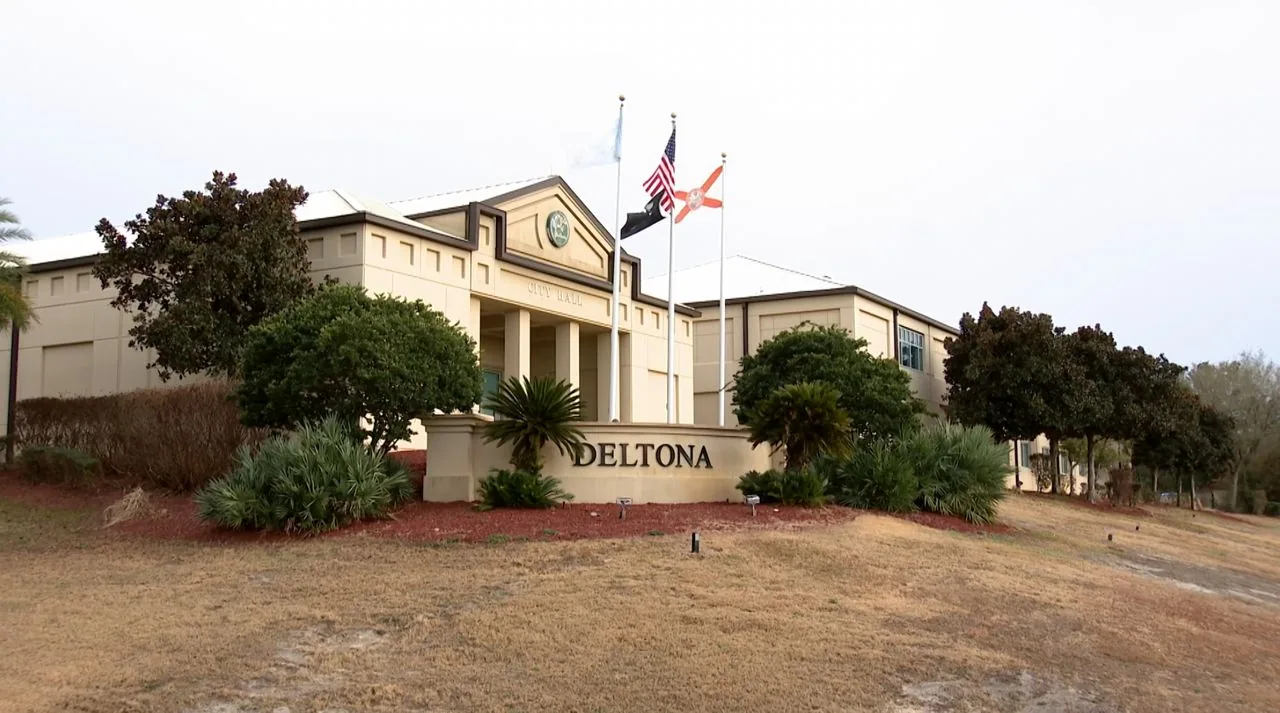
Commercial Roofers Deltona documents the roof before it quotes the work, so every scope starts from what is actually on the building.
Ready to Review Your Roof?
Tell us about the building, the roof and what you are seeing. We will outline the next practical step, whether that is an inspection, a repair scope or a replacement plan.