Commercial Roof Membrane Puncture Repair in Deltona, FL
Membrane puncture repair in Deltona maps the impact point, checks hidden moisture and sets protection and tie-in limits for the existing roof system.
A dropped tool can leave a pinhole that is hard to see and easy to cover with the wrong material. Water may enter at the impact, spread along insulation and show up later in an office, retail bay or service corridor. We mark the puncture, inspect the membrane around it and identify whether foot traffic or equipment movement created a wider worn path. Before a patch is priced, the owner needs to know how far moisture traveled and whether the roof material can accept a compatible repair.
Deltona's hot months and recurring rain place the repair under both heat and repeated wetting. Along Howland Boulevard, Deltona Village was planned around retail, medical office and flex tenants, so service crews and occupants share rooftops of very different kinds. A Howland Boulevard commercial roof repair still begins with the building's actual membrane and access conditions. If a puncture sits near an open lap, a seam failure review can distinguish impact damage from a separated joint.
Impact mark: Trace the puncture below the surface
Foot traffic, a sharp tool, loose fastener or equipment service can cut or abrade a membrane. The top layer may show a small hole while the insulation below has absorbed water beyond it. We inspect the area for scuffs, cuts, displaced ballast or a trail from repeated access, then compare that pattern with interior reports. If the substrate remains dry and the tear is isolated, the patch may stay local. If moisture has spread or the membrane is brittle, the removal boundary must widen.
We identify whether the roof is TPO, PVC, EPDM, modified bitumen, built-up or metal before selecting a repair. TPO and PVC may be heat-welded when compatible material is clean and sound; EPDM and bitumen call for different preparation and patch products. A roof inspection records the existing assembly and nearby transitions. When concealed moisture affects the cut line, testing can guide selective removal rather than expanding the work by guesswork.
State Road 472 meets the Howland Boulevard corridor near Deltona's I-4 connection. That helps orient material staging, while the property manager sets the approved entrance, roof hatch and any areas that must remain clear. A safe access route matters because a second puncture during repair would enlarge the owner's exposure.
Wet boundary: Protect the area below the cut
A puncture can continue feeding water into insulation during each storm. Deltona receives most of its 51 to 53 inches of yearly rain between June and September, so an open defect can be tested repeatedly before a permanent repair is scheduled. We record the area below, note any equipment or inventory at risk and set temporary protection suited to the roof. The owner can then decide whether an interior move is necessary while permanent work is arranged.
When insulation is wet, the patch must extend to dry material and a sound membrane tie-in. We show the limits of the repair and any deck concern separately. If water remains in a low section near the puncture, a ponding-water drainage review may be needed as well; otherwise the repaired membrane may remain under prolonged water exposure. A photo condition report can preserve the impact location, moisture readings and remaining deferred work for ownership.
What it costs to wait depends on the wet area and what operates below it. Continued moisture can add insulation replacement, ceiling protection and disruption to the scope. A targeted membrane repair may fit an isolated puncture, while recurring cuts or broad wet material may support a larger replacement discussion. We keep those choices separate so the immediate response does not commit the owner to a roof-wide project without condition evidence.
Repair choice: Rebuild the surface that was damaged
For a puncture in a thermoplastic sheet, we remove contamination and damaged material, prepare the surface and make a compatible welded patch with a continuous edge. For EPDM, the repair uses compatible primer and flashing components. Modified bitumen or built-up roofs require a repair that respects the surfacing and layer sequence. The proposal should state the repair product, patch dimensions and how the work ties into the existing membrane, not merely say that the hole will be sealed.
Where equipment crews or recurring foot traffic caused the damage, ownership may need a walkway, access rule or protected service path. We identify the exposed route and coordinate it with the facility manager before the membrane is repaired. A rooftop equipment detail review can address nearby service penetrations, while a follow-up inspection can document the repaired area and adjacent seams after the work. The closeout should identify any nearby wear that remains outside the patch.
If the existing assembly has multiple wet layers or the puncture sits in a deteriorated field, a replacement comparison should list removal, insulation, cover board, new membrane and temporary dry-in. Repair remains a valid option when the surrounding materials support it. The condition map makes that distinction visible and gives the owner a decision date before the next wet season.
Work limit: Keep the puncture and the cause in scope
Compare bids by how they treat the impact point, moisture boundary and traffic or equipment cause. Each should state whether the roof is opened, how far damaged membrane is removed, what insulation is replaced and how the final patch is tested. A puncture near a drain, curb or seam puts that neighboring condition on its own line instead of burying it in a small allowance.
Deltona was crossed by Charley in 2004, and Frances and Jeanne followed. Storm preparation and unrelated puncture repairs can share a roof visit, but they are different work items. We note any loose edge, open lap or damaged membrane separately so a pre-season review does not misstate the cause of the impact. A storm damage inspection can document wind-related findings without turning every roof defect into a storm claim.
Closeout photos should show the surface before repair, the prepared area and the finished patch. The record can note the material installed, any moisture removed and whether a protected service route was added. If water returns, compare the new stain with the marked repair and inspect surrounding transitions before applying another surface patch.
Commercial Roofing Questions
Can a small hole damage insulation beyond the visible mark?
Yes. Water can travel through insulation joints or along the deck before it appears inside. We inspect the membrane around the impact and test material where the result changes the removal boundary. The repair should reach dry, sound material rather than stop at the top-sheet opening.
Which patch works on a Deltona commercial roof?
The existing membrane decides the repair method. We confirm whether the assembly is TPO, PVC, EPDM, modified bitumen or another system, then use compatible materials and preparation. A different patch product may not bond or weld to the roof already installed.
How can equipment work avoid another roof puncture?
Set a protected path and define where tools, fasteners and removed parts can be staged. We identify recurring service routes and nearby penetrations, then coordinate access with the facility manager. A walkway or access change should be part of the work plan when traffic crosses vulnerable membrane.
Should a puncture repair include a moisture scan?
Use testing when hidden moisture could change the repair area or replacement quantity. We compare visible conditions with interior reports and scan or test where it answers that question. The report should identify what was tested, what was removed and any uncertainty that remains.
Call with the roof material, impact location and any interior leak. We will map the damage, test the surrounding assembly where needed and price a compatible repair boundary.
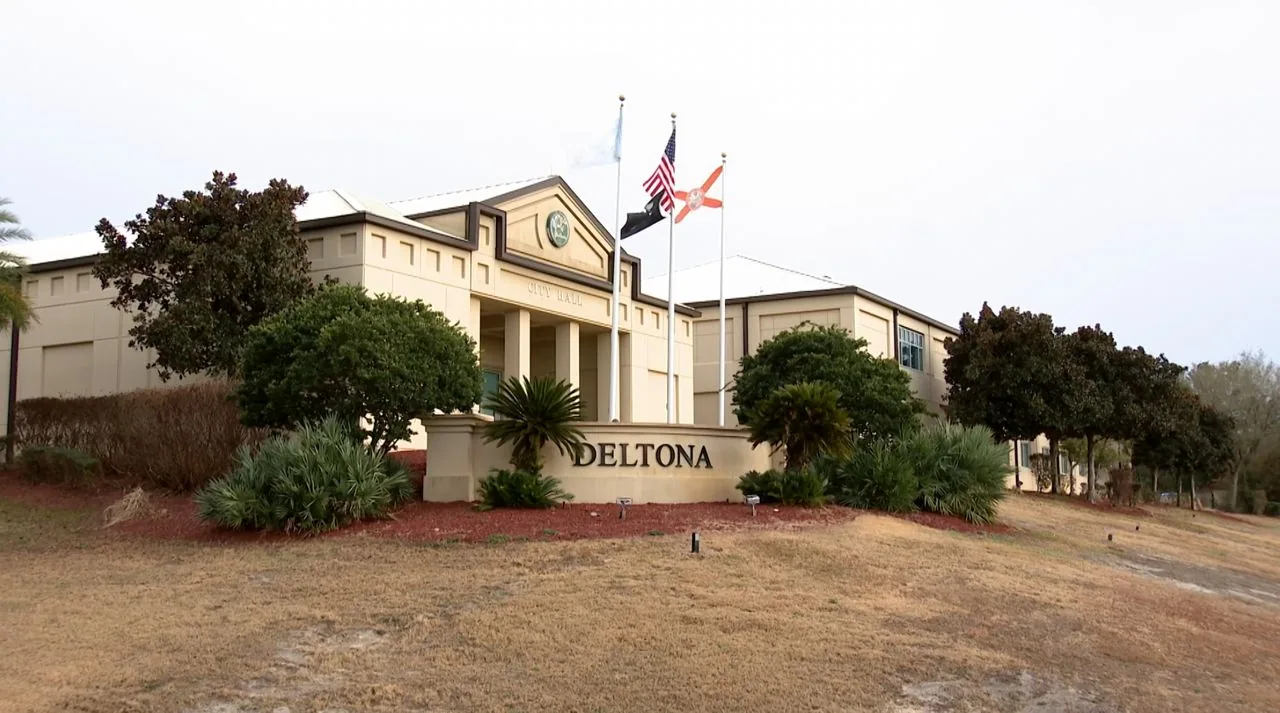
Commercial Roofers Deltona documents the roof before it quotes the work, so every scope starts from what is actually on the building.
Ready to Review Your Roof?
Tell us about the building, the roof and what you are seeing. We will outline the next practical step, whether that is an inspection, a repair scope or a replacement plan.