Commercial Tornado Damage Roof Repair in Deltona, FL
Tornado damage roof repair in Deltona checks attachment, roof openings and hidden moisture, then separates temporary protection from a tested permanent scope.
A tornado can leave a roof with a missing panel, loose edge metal or an opening that is hard to see from the ground. Rain entering through that break may spread into insulation before the ceiling shows a stain. We first document visible displacement, protect the interior below and determine whether roof access is safe. Then we map the affected area and separate temporary dry-in from the permanent repair decision. The owner needs a clear boundary before crews remove material or later weather adds to the damage.
West Volusia has experienced tornado impacts. An EF-2 tornado struck DeLand in August 2020 along a 4.6-mile path, which shows the exposure west Volusia carries. Deltona itself was crossed by Hurricane Charley in 2004, making roof edge and attachment review a useful local preparation issue. A roof assessment in the Deltona I-4 corridor starts with the current building, while our storm damage response documents what the event actually changed.
Displacement: Check the roof from edge to opening
After a tornado, inspect the perimeter, corners, metal panels, membrane attachment, rooftop equipment and penetrations. A roof may have lost material at one edge while a separate section has lifted without detaching. We record each condition and compare it with the interior water path. If debris or structural movement makes access unsafe, the inspection waits for the building lead or engineer to release the area. No repair scope should require someone to cross an unstable surface.
Wind can pull at fasteners, seams, edge metal and curb flashing, while debris may cut the field membrane. The repair method depends on whether the roof is metal, TPO, PVC, EPDM, modified bitumen or built-up. We document existing attachment and substrate, then test wet areas where the results change removal quantities. A wind damage review can trace lifted edges and tears; a separate membrane puncture check addresses impact cuts that need a material-compatible patch.
Deltona receives most of its annual rainfall between June and September. If the roof remains open, water can reach insulation and interior finishes before the permanent scope is ready. We establish a temporary cover boundary and list what weather or access conditions could require a recheck.
Water route: Find the wet boundary before it grows
The area below a roof opening may include occupied space, electrical equipment, stored materials or a tenant's work area. We identify the interior exposure and coordinate protection with the property lead. Water can travel along deck flutes or insulation joints, so the roof cut line may need to extend beyond the opening seen from above. We mark dry and wet material separately and show where a deck condition requires a different trade or engineering review.
Temporary dry-in helps limit new entry, but it does not tell the owner how much insulation must be replaced. Deltona's wet months can reload a partially protected area with each passing storm. A moisture survey and selective testing can help define the removal boundary. A photo condition record can show what was found, what was protected and which tests remain open, so the owner has a decision date rather than a verbal guess.
If water remains at a drain or low point near the damage, a ponding water scope should correct that route along with any membrane opening. Otherwise a repaired area may remain exposed to standing water after the next rain. We list drainage and wind repairs separately when they require different materials or trades.
Repair decision: Price the opening and the sound roof around it
A local repair is reasonable when the material around the displacement is dry, attached and capable of a sound tie-in. We remove loose or damaged pieces, replace wet insulation where needed and rebuild the edge or field with compatible components. The proposal should show repair length, fasteners, membrane, flashing, edge metal, dry-in and disposal. If a panel or membrane cannot be secured to sound substrate, the scope needs to say what additional removal is proposed and why.
For a metal roof, the bid should identify panel replacement, sidelap and fastener work, trim, underlayment and any structural review. For low-slope membrane, it should distinguish wet insulation, cover board, attachment and system compatibility. If the opening reaches several zones or existing layers are no longer serviceable, a replacement comparison can show the larger decision. The recover option should be considered only if the assembly and code permit it.
State Road 472 connects near Howland Boulevard and the I-4 corridor, useful orientation for access and materials. The property itself controls entry, staging and areas that must stay clear. We confirm those limits before scheduling so roof work can follow the building's recovery sequence.
Closeout record: Preserve the boundary and remaining risk
Compare proposals by the same measured damage area and the same temporary protection limit. A quote that omits insulation, edge attachment or deck allowance may leave an important part of the opening outside the work. We show each quantity and the approval needed if removal exposes more damage. If insurance documentation is needed, roof photos and observations can be organized for the owner, while coverage remains subject to the insurer's review of the policy.
Florida's Eighth Edition code can require broader compliance when the annual area repaired, replaced or recovered exceeds the threshold, depending on the existing roof history. The design professional should apply that rule to the actual scope. We provide measurements and assembly observations, rather than promise a code outcome before the work is defined.
Before authorizing work, confirm which areas remain occupied, how the crew reaches the roof and where a lift or material drop can sit without blocking normal operations. The sequence should identify the daily cut-off, the temporary cover and who checks the interior after rain. Those details affect timing and protection even when the roof quantity stays the same.
Closeout photos should show the removed material, rebuilt transition, finished membrane or panel and any area not included. Record the follow-up inspection point after rain and keep loose debris or displaced trim separate from the permanent repair record. The owner can then see whether the roof is closed, what remains deferred and who must approve the next step.
Commercial Roofing Questions
Can a tornado damage a roof without opening a visible hole?
Yes. Panels, membrane edges and fasteners can shift or loosen without a large opening visible from the ground. We inspect the roof when access is safe, photograph attachment and transitions, and compare them with any interior water path. The repair boundary follows what is found, not just what can be seen from the parking area.
Did the DeLand tornado mean Deltona roofs were damaged?
The 2020 EF-2 tornado affected DeLand, not a roof at a specific Deltona property. We use that regional event as a reason to include severe-wind readiness in planning. Current damage must be inspected at the building and tied to observable roof conditions.
What happens if a roof is unsafe to enter after a tornado?
Do not send maintenance staff onto a damaged or unstable roof. The owner should wait for the responsible site lead or engineer to determine when access is safe. We can set the inspection sequence after release, then document the roof and the temporary protection needed for the opening.
How should a Deltona owner compare tornado repair bids?
Use the same map and measured boundaries for each proposal. Compare temporary cover, panel or membrane quantities, insulation, edge attachment, deck allowances and daily closeout. We identify what is included and what needs approval if removal reveals additional damage.
Call when roof access is cleared and share the affected area and interior exposure. We will document displacement, test wet material and set temporary protection and permanent repair limits.
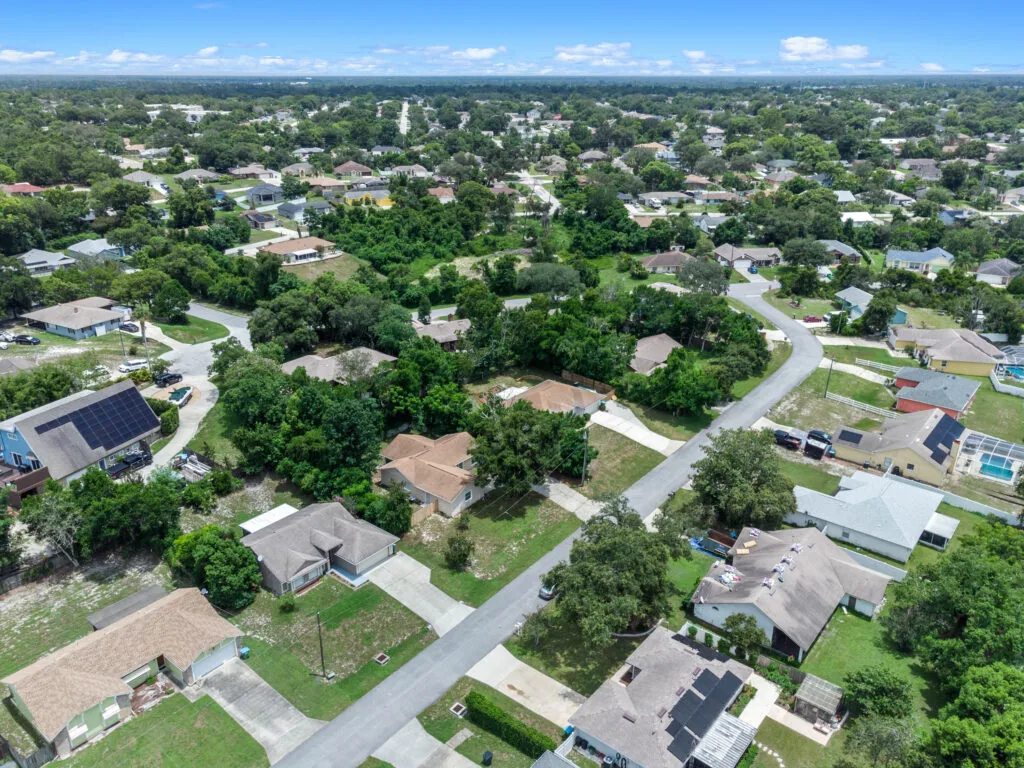
Commercial Roofers Deltona documents the roof before it quotes the work, so every scope starts from what is actually on the building.
Ready to Review Your Roof?
Tell us about the building, the roof and what you are seeing. We will outline the next practical step, whether that is an inspection, a repair scope or a replacement plan.