
SOPREMA Commercial Roofing in Deltona, FL
Plan SOPREMA roof repairs and replacement in Deltona, with assembly, moisture, drainage and occupied-property needs tied to the scope.
A wet insulation core under a roof can make a surface repair look complete while the assembly keeps holding water. On a SOPREMA system, the first decision is which membrane or multi-ply assembly is installed and whether the layers beneath it remain serviceable. We inspect what can be seen, map the suspect area and explain what needs confirmation before an owner chooses repair, recovery or replacement. The system family matters, but the building condition sets the work.
Deltona's repeated summer rain and heat create a tight window for resolving open roof questions near Howland Boulevard and the I-4 corridor. Deltona Village was planned around medical-office, retail and flex tenants, so a roof scope there has to fit an occupied schedule. We keep the local operating need beside the assembly findings, then set a practical date for the owner's next decision.
Layer Condition: Decide What Can Stay in the Assembly
SOPREMA commercial roofing includes single-ply membranes, modified bitumen and liquid-applied systems. Each has its own seams, laps, flashings and repair details. We document the roof type we can identify, its apparent layers, attachment, drains, edge conditions, penetrations and prior patches. If a property has an addition or recovered section, we keep that area separate in the record rather than assigning one system across a roof that may have changed over time.
Moisture below a membrane can affect adhesion, attachment and the reliability of a new covering. We look for signs of wet insulation, open laps, soft spots and water paths near penetrations. An infrared moisture survey can help target additional testing, while a commercial roof inspection records the details visible from the surface. The owner should know what the assessment confirms and which concealed conditions remain open.
For a multi-ply roof, inspect the laps and transitions and determine whether past repairs have bridged or sealed the layers appropriately. For a single-ply system, seam and flashing condition guide the next repair. A modified-bitumen review can help a manager compare the assembly to a proposed replacement without assuming the existing material must stay. The report should tie each conclusion to a marked roof area.
System Option: Match Material to Deck and Drainage
A focused repair may work where the roof is dry around the failure and the surrounding layers remain serviceable. If the material has multiple openings or moisture is widespread, a larger correction may be needed. We identify the proposed surface preparation, membrane, flashing, insulation and edge details, and state what condition could change the scope after work begins. An owner can then compare the action, retained layers and remaining exposure rather than choosing on the system name alone.
When comparing SOPREMA with GAF membrane systems or Versico assemblies, line up the deck, moisture, attachment, drainage and building use. A different system may be appropriate for a replacement, but it still needs details that work with the actual property. Roof geometry and penetrations can complicate a transition, while an occupied building may restrict staging or noise. Those constraints go into the proposal before it is approved.
The Deltona Village plan on Howland Boulevard provides retail, medical-office and flex use. Those uses illustrate why a contractor needs the site access plan before choosing a work sequence. A medical office may need strict coordination around rooftop equipment and interior areas; a flex building may need loading access kept open. We can phase work around tenant operations where the roof scope allows it, with clear boundaries and a closeout record for each portion.
A coating restoration review can determine whether a coating is a candidate over the existing roof, but moisture and adhesion must be checked first. Where drains or scuppers are restricting flow, a drainage repair can address that condition independently of the membrane decision. The owner should receive separate findings for each work type so a localized drainage correction is not mistaken for complete restoration.
Wet-Season Review: Control the Repair Boundary
June through September brings most of the 51 to 53 inches Deltona gets a year, and summer highs approach the low nineties. Repeated rain can move water through an open lap or curb detail before an interior stain shows the full area. If the owner waits, the crew may need to investigate more insulation and provide added tenant protection. Any area that stays uncertain gets a follow-up date, so a moisture assumption does not ride into the next season.
In 2004 Charley moved directly over Deltona and Frances and Jeanne passed through too, so edges, prior patches and flashing deserve a check before hurricane season. A wind condition evaluation can document what is present at the property now. Active leaks get an answer at any hour, holidays included, with temporary protection kept apart from the permanent repair plan.
Along the Deltona I-4 corridor and Howland Boulevard, work should account for roof access, occupied space and delivery schedules. A photo report can identify the failure point, repair limits and open questions for the property manager. The owner can then decide whether a local repair is enough or whether moisture testing should happen before the next bid.
Scope Review: Keep the Specification and Allowances Clear
Ask every bidder to name the SOPREMA system or material family proposed, the roof area included, preparation, removal, insulation, flashing and drainage work. Confirm how the contractor will handle wet layers discovered after opening and who can approve a change. If a proposal says recover, it should identify the existing assembly and basis for leaving it in place. A vague allowance can shift the real scope into construction when the roof is already exposed.
Keep product records, closeout photographs and maintenance notes together. If the actual warranty terms apply, review the document and its reporting requirements instead of assuming coverage from the manufacturer's name. A capital planning review can place the recommendation beside other reserve items, with a decision date for testing or replacement. The owner should know what work is immediate, what can be scheduled and what information could change that order.
For replacement bids, compare edge securement, attachment, drainage, penetrations and the assembly's transitions to walls and equipment. Ask how the contractor will keep each detail watertight during the work sequence. A complete proposal gives the owner a defined roof area and a closeout record, with any remaining condition carried into future maintenance instead of disappearing after the crew leaves.
Scheduling: Put Testing and Access on the Calendar
Book the inspection early enough to test suspected wet areas, review the scope and obtain access approvals before Deltona's heavier rain pattern returns. If the roof is actively leaking, temporary protection can proceed while the permanent material choice remains under review. Confirm the route to the roof, equipment coordination and interior protection before the work date so the owner is not resolving access when a storm is already approaching.
Howland Boulevard and I-4 connect properties with different operating routines. The work calendar should say which building is first, what needs tenant notice and who can approve a change if removal exposes moisture. Call before the rain or the hurricane season turns the leak history into a bigger one, and bring the roof records. We will inspect the SOPREMA assembly and give you a scope tied to its condition.
Commercial Roofing Questions
How do you determine whether a SOPREMA roof has wet layers?
We inspect visible details and signs of moisture, then recommend focused testing if the assembly remains uncertain. Any survey or test opening should identify the area reviewed and the limits of the finding.
Can a coating go over an older SOPREMA roof in Deltona?
Only if the surface, moisture condition and adhesion support that approach. We check the roof and explain what testing or preparation is needed before an owner commits to a coating scope.
What should a SOPREMA replacement proposal say about existing layers?
It should identify what will be removed, what remains, how wet insulation and deck conditions are handled, and how flashing and drainage will be rebuilt. Ask who approves concealed-condition changes before work starts.
When should Deltona owners schedule a roof moisture review?
Schedule it before a wet-season decision becomes urgent, especially when a leak returns or insulation may be affected. Set a date to resolve testing questions before bids or material orders are finalized.
Call with the system records, leak location and access needs. We will inspect the roof, document moisture questions and help you decide whether repair, coating, recovery or replacement fits the condition.
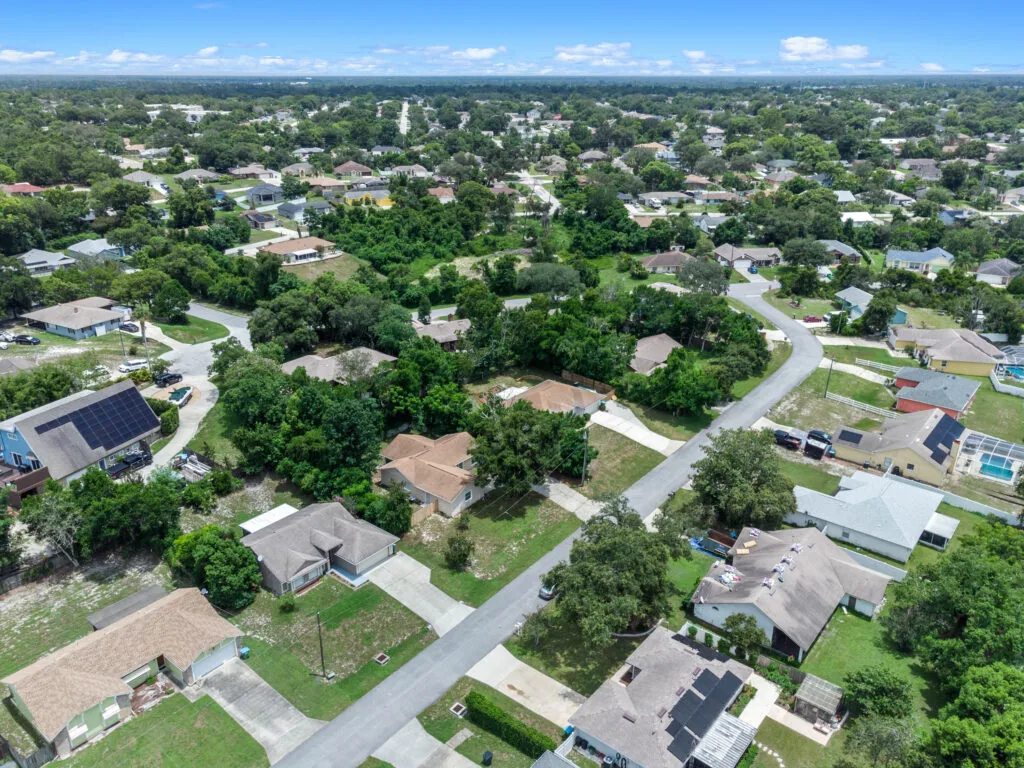
Commercial Roofers Deltona documents the roof before it quotes the work, so every scope starts from what is actually on the building.
Ready to Review Your Roof?
Tell us about the building, the roof and what you are seeing. We will outline the next practical step, whether that is an inspection, a repair scope or a replacement plan.