
Big-Box Retail Roofing in Deltona, FL
Big-box retail roof repair, replacement, drainage and occupied-store phasing in Deltona, with clear scopes for wet-season leaks and wind exposure.
A wet insulation board above a sales floor can turn one roof defect into a stock, safety and scheduling problem before the next truck reaches the loading area. Deltona's summer rain arrives in repeated downpours, so a small opening can keep feeding concealed moisture between customer rushes. The first call should establish where water entered, how far it traveled and whether the store can keep using the affected space. We inspect the roof assembly and price a contained repair before a larger replacement is put on the table.
Big-box roofs carry broad membrane fields, long perimeters, rooftop equipment, skylights and loading areas that all need different attention. We map drains, seams, curbs and edge metal, then connect each condition to a practical work zone. An owner gets a scope that separates immediate leak control from deferred maintenance and capital work, with access, deliveries and customer entrances considered before crews mobilize.
Failure Point: Follow Water Across the Store
A ceiling mark rarely identifies the opening by itself. Water can enter at a seam, curb or drain, travel across the deck and appear above a department far from the roof defect. We compare the stain with the roof layout, insulation transitions and drainage direction. Where the assembly is uncertain, moisture scanning or selective test cuts help define the wet area. That distinction matters: replacing dry roof area adds cost, while leaving wet board in place can shorten the life of a repair.
At a large store, the roof plan should name each affected zone and the interior area below it. We photograph membrane, flashing and nearby penetrations, then mark which findings support the proposed repair. If evidence points to a localized opening, a leak repair can include the failed detail and nearby conditions that let water return.
Repair or Replace: Separate the Decision
One wet section does not answer the capital question for an entire store. We divide the roof into repairable areas, areas with widespread moisture and sections whose seams or attachment are nearing a broader failure. A spot repair can make sense when the surrounding membrane remains sound and drainage works. A recover may fit an eligible assembly with dry insulation. Where moisture is extensive or the deck needs attention, removal exposes the condition instead of covering it.
The bid comparison should state what each option includes: tear-off limits, insulation replacement, flashing, perimeter metal, drain work, temporary dry-in and closeout records. Florida's 2023 Building Code may affect a project when work crosses the applicable repair or replacement threshold, so the design team should check the current requirements for the actual roof and scope before pricing is finalized. A grocery-store roof may share tenant-access concerns, but a big-box sales floor and loading cycle need their own phasing plan. A shopping-center roof has its own tenant sequence.
We install and repair TPO, PVC, EPDM, modified bitumen, built-up and metal systems, along with compatible coating and restoration assemblies. The existing roof, drainage, deck and warranty conditions determine which system belongs in the comparison. A TPO assembly should not be specified simply because it is familiar; attachment, seam details, insulation and rooftop equipment all affect the decision.
Stock and Safety: Price the Cost of Waiting
When wet insulation stays above an active sales floor, the owner may face ceiling protection, moved inventory, temporary closures and repeated service calls. Those costs sit beside the roof repair, not inside a membrane line item. We identify the affected interior zones and whether water is near lighting, electrical equipment or customer paths.
Deltona's retail employment share reflects how central storefront activity is to local commerce, and the Howland Boulevard area was planned for a mix of retail, medical office and flex uses. Retail pays a large share of the city's wages, so keeping the doors open through a roof project is a cost the owner weighs from the start. We can coordinate a store-occupied work plan around loading access, department changes and customer routes while the owner keeps control of the decision date.
Our written condition report groups findings by urgency and scope. It distinguishes active openings from aged but serviceable details, and marks where a second opinion or additional testing would change the recommendation. A repair proposal should list the exact roof area, materials and exclusions; a replacement comparison should show whether drains, curbs and edge details are included. That is how an owner finds a scope gap before a low number becomes an extra during removal.
Wet Season: Set the Work Window Before the Forecast
Most of Deltona's 51 to 53 inches of rain falls between June and September, and a big roof near the I-4 interchange that already holds water at a low bay has little margin once the afternoon storms repeat. We check drain bowls, overflow paths, scuppers and low areas before recommending a membrane-only fix. A slow drain or blocked overflow belongs in the proposal as its own line, so the same pool is not waiting there after the patch.
In 2004 Hurricane Charley crossed directly over Deltona, with Frances and Jeanne following later that season. That history supports an early look at edges, corners, curbs and rooftop equipment before hurricane season. A wind-damage assessment can help sort repairable details from membrane areas needing broader work, while truck arrival and access along the Howland Boulevard corridor get planned before the crew mobilizes.
Our crews respond around the clock, including nights, weekends and holidays, when water is entering an operating building. Emergency work first aims to limit exposure and secure a safe temporary condition; permanent repairs follow once the assembly can be inspected and the right materials are available. For planned work, the store should agree on lift placement, delivery windows, hot-work controls, rooftop equipment shutdowns and the person who can authorize a field change.
Bid Comparison: Make Every Scope Comparable
Retail operators often receive proposals that use different assumptions. One may include only visible membrane work, another may add wet insulation removal, and a third may price replacement of edge metal or drains. We identify quantities and limits in plain language so the owner can compare like with like. The bid should also say how the roof is protected at the end of each shift.
Where practical, we separate urgent leak work from preventive corrections and the long-term reserve line. A drain and scupper scope can be listed beside membrane repairs; roof photographs and findings let the facilities team track what was repaired and what remains deferred. We do not turn a stain into a blanket replacement recommendation. We show the owner the evidence, the alternatives and what it costs to wait.
Schedule belongs in the bid. A loading-door lift position differs from a sales-floor setup, and overnight work still needs access, lighting, fall protection and dry-in provisions. The proposal should identify restricted hours and who notifies staff.
Commercial Roofing Questions
Can crews repair a leak without closing the whole store?
Often the work can be limited to a roof zone, but the manager must review customer paths, lift placement and any interior area needing protection. We coordinate a temporary closure only where the roof work or water exposure requires it, then secure the section before moving to another area.
What should a big-box owner compare in replacement bids?
Start with tear-off limits, wet insulation assumptions, deck repairs, edge metal, drains, curbs and temporary dry-in. Ask each bidder to show quantities and exclusions on the same roof map. A low price that leaves perimeter work or drainage outside the scope may cost more once removal starts.
Does a recover make sense over an existing retail roof?
The assembly decides it. We need to know how many layers exist, whether insulation is wet, whether the deck is sound and whether the system can accept another layer under applicable code and warranty conditions. Moisture scanning and selective cuts can resolve that before the owner compares recover and replacement.
When should Deltona stores check their roof before hurricane season?
Schedule the review early enough to repair open seams, loose flashing and drainage defects before the wet months compress the calendar. Charley crossed Deltona, so a perimeter walk is useful, but the recommendation should be based on the store's current roof condition and documented findings.
Call before another downpour reaches the sales floor. We will map the affected roof zones, coordinate access and compare a focused repair with the larger scope the evidence supports.
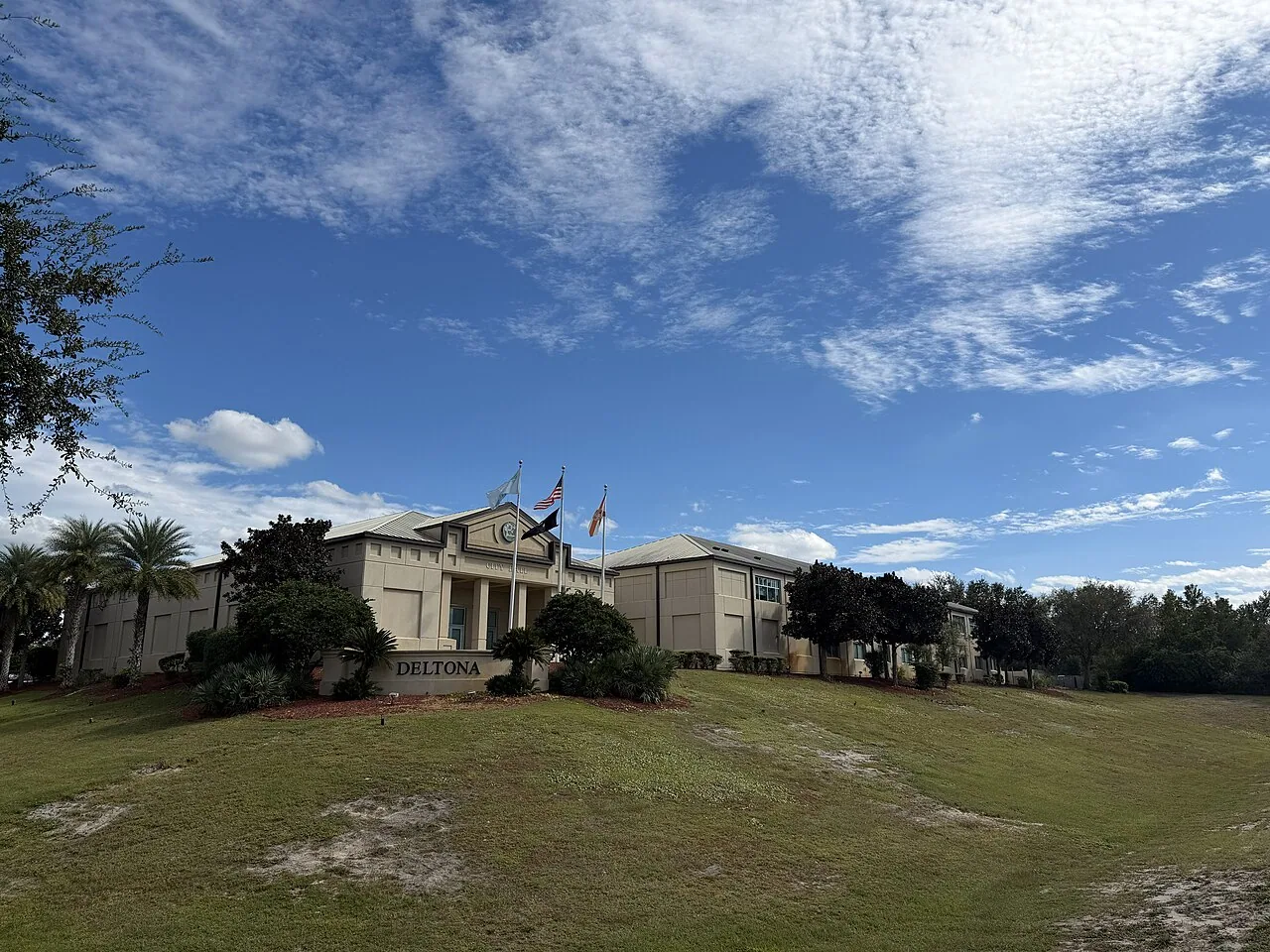
Commercial Roofers Deltona documents the roof before it quotes the work, so every scope starts from what is actually on the building.
Ready to Review Your Roof?
Tell us about the building, the roof and what you are seeing. We will outline the next practical step, whether that is an inspection, a repair scope or a replacement plan.