
Hotel Roofing in Deltona, FL
Hotel roof leak repair, drainage, replacement and guest-area phasing in Deltona, with clear scopes for rooftop equipment and wet-season exposure.
A leak above an occupied guest room has a clock attached to it. Water can move through insulation before a stain reaches the ceiling, and a second storm can turn a maintenance call into a room move or a blocked corridor. We trace the roof opening, map the affected interior area and identify what must be protected first. In Deltona, repeated summer rain can keep testing an open seam or curb while a hotel is still receiving guests.
Hotel roofs combine large membrane areas with mechanical equipment, plumbing vents, vertical service structures, amenity spaces and service access. A repair plan must account for guest movement as well as the roof assembly. We photograph findings, separate immediate leak control from deferred work and price the work zone, access needs and dry-in plan before recommending recover or replacement.
Room Impact: Trace the Leak Beyond the Ceiling
The room where water appears may sit several feet or several suites from the roof opening. Water can follow a deck joint, insulation seam or conduit before it becomes visible. We compare the complaint with roof slope, drains, curbs and the conditions above the affected space. Moisture scanning or a selective test cut can help confirm whether insulation is wet beyond the first visible mark. That boundary guides the repair and tells the hotel which rooms or common areas need protection during the work.
On a hotel, a roof walk must include transitions around rooftop units, exhausts, plumbing vents and vertical walls. Service contractors may have changed an equipment curb without replacing adjacent flashing, or older sealant may have split at a movement joint. We identify the failure point and write a scope around the observed condition. A roof inspection can give the property team a marked plan and photo record; if the opening is confined, a leak repair can address the detail without treating the entire roof as failed.
Guest Areas: Phase Work With the Front Desk
Roof access, noise, lifts and temporary protection need to fit the hotel's occupancy pattern. We coordinate material staging and noisy steps with the property manager, identify rooms or corridors below the work zone and set a daily closeout check. If rooftop equipment serves occupied rooms, the plan should include any shutdown, who approves it and when service resumes. The crew can often move through limited sections, but exposed areas must be secured before leaving for the day.
Deltona's zoning has included lodging among the commercial uses designated by the city, so hotels are a recognized part of the local property mix. We inspect the actual assembly and build a phasing plan around the building's own rooms, entrances and service areas. An occupied-property sequence can set notices and access windows. A multifamily roof shares some resident-protection needs, while a restaurant roof may require more attention to kitchen exhaust and delivery timing.
Repair, recover and replacement proposals should list removal limits, wet insulation, deck repair, curbs, perimeter metal, drains and temporary dry-in. Recover is only an option when the existing assembly is suitable and dry. If moisture is broad or the deck needs repair, removal may be the more supportable scope. Membrane choice follows the deck and the details: single-ply, modified bitumen, built-up or metal can each suit a hotel roof, and a coating gets weighed only against the condition of the substrate.
Water Control: Include Drains and Overflow Paths
A leak repair can fail again when standing water keeps returning to the same low point. We inspect drain bowls, overflow outlets, scuppers and membrane around the opening, then note whether water reaches the building wall or guest entrance. A drain and overflow scope can be priced beside the membrane work so the owner can compare both needs. The proposal separates a maintenance item from an active failure and names who completes each correction.
Deltona gets roughly 51 to 53 inches of rain each year, with most falling from June through September. A slow drain during that stretch can leave a roof detail under repeated exposure. The owner should know what remains wet, what access is needed and whether a temporary measure will hold until permanent work can begin. Our report records those conditions and sets out the next decision instead of leaving a vague note to monitor.
Hotels also need clarity on the cost of a room move, a ceiling protection setup or a restricted amenity area. Those operational consequences belong beside, but separate from, roof quantities. We can compare a spot repair with a larger replacement plan, showing removal, insulation and perimeter details as separate scope lines. That gives the owner a way to weigh reserve timing against the exposure of waiting through another wet season.
Storm Readiness: Review the Perimeter Before the Season
Three storms hit Deltona in 2004: Charley passed directly over the city, then Frances and Jeanne followed. Before hurricane season, we inspect the roof's corners, edges, penetrations and equipment supports for conditions that could let water or wind reach the assembly. We record what is actually loose, open or deteriorated and prioritize repairs by consequence. That record makes spring the sensible month for the review.
Howland Boulevard meets the end of State Road 472 near the I-4 connection, making that corridor a familiar local reference for scheduling material and crew access. A Howland Boulevard work window can be planned around the hotel's own entrances and service lanes. For active water intrusion, our response is available every hour of the week, including holidays. The first visit limits interior exposure and leaves a safe temporary condition; the permanent repair follows once the assembly can be assessed.
Closeout should identify repaired details, materials, remaining defects and any conditions that require follow-up. The hotel can keep roof photos and findings with equipment service records to make the next decision faster. Scheduled maintenance can revisit seams, drains and curbs before they become a guest complaint. The aim is to put the work on a property calendar rather than respond after a room is out of service.
Commercial Roofing Questions
Can roofing crews work while hotel rooms remain occupied?
Usually the work can be divided into zones, but the property team must approve lift access, guest routes, noise windows and any room protection. We set daily limits, communicate shutdowns for rooftop equipment and close each exposed area before leaving. The hotel should name a contact who can move work if occupancy changes.
How does a hotel know whether to repair or replace its roof?
Use the mapped condition, not the ceiling stain alone. We check moisture, seams, insulation, deck and repeated failures, then compare the cost and extent of repair with recover or removal. If a test or additional inspection would change the recommendation, the scope should say so before capital is committed.
What should a roof bid say about guest areas?
Look for the rooms, corridors or amenities below each work zone, plus lift placement, noise timing, access restrictions and end-of-shift dry-in. The bid should also identify equipment shutdowns and who notifies staff. Those details let the hotel compare schedules and operating impact as well as roof materials.
When should Deltona hotels check their roofs before hurricane season?
Set the review early enough to repair open seams, loose edge details or drainage problems before storms compress the schedule. Charley crossed Deltona, so perimeter conditions deserve a timely look. The contractor should document current findings and distinguish repairs from items that can remain in the reserve plan.
Call when water appears or a roof decision is slipping toward the wet season. We will map the affected zone, plan around guests and give you a scope that separates urgent repair from capital work.
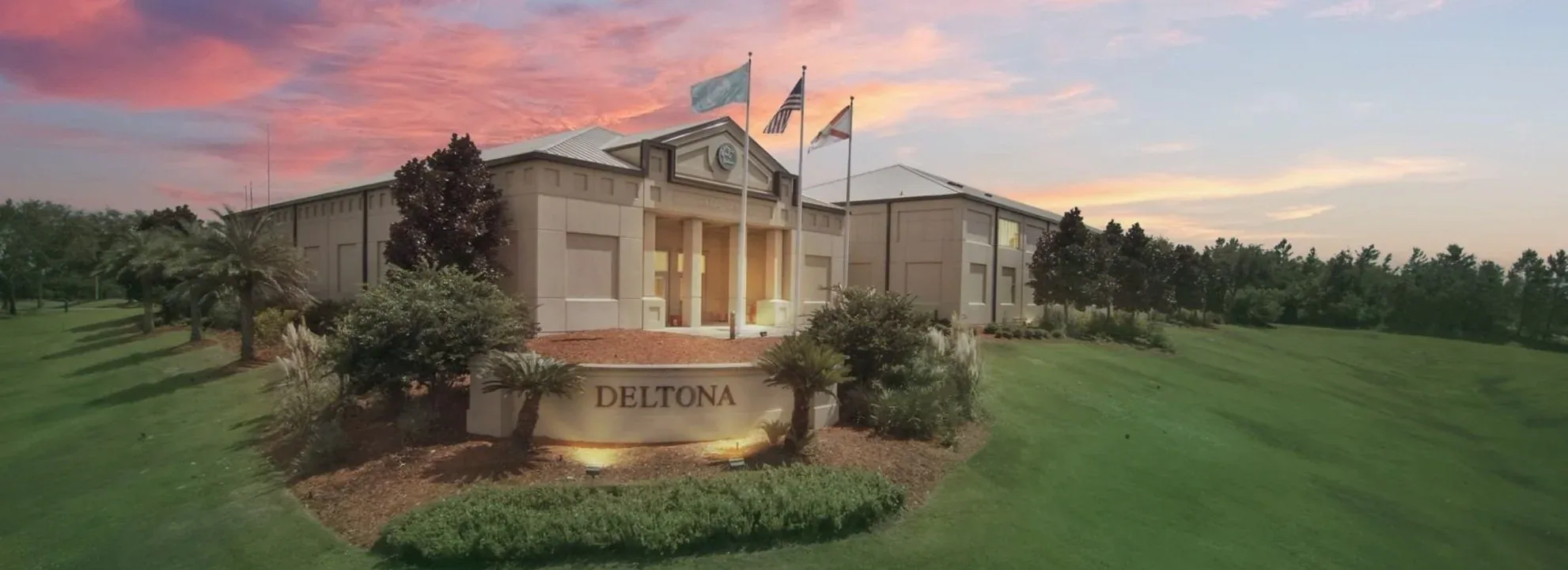
Commercial Roofers Deltona documents the roof before it quotes the work, so every scope starts from what is actually on the building.
Ready to Review Your Roof?
Tell us about the building, the roof and what you are seeing. We will outline the next practical step, whether that is an inspection, a repair scope or a replacement plan.